What Are Fresh Produce Standards? International Food Quality Standards Explained
The Codex Alimentarius, developed by the Food and Agriculture Organization (FAO) and the World Health Organization (WHO), is the primary standard for fresh produce used voluntarily by other international organizations and national governments. Other prominent international organizations that establish and promote fresh produce quality standards include the United Nations Economic Commission for Europe (UNECE), the… Continue reading…

What Is Crop Phenotyping and Why Is It Essential for Modern Crop Breeding?

Genetic diversity in wild relatives of crops can provide crucial inputs to improve food production. High-throughput plant phenotyping (HTPP) methods can improve the efficiency of crop breeding research and crop monitoring in precision agriculture. Portable quality meters can be integrated into HTPP systems for biochemical and sensory fruit quality parameter phenotyping Crop phenotyping is the… Continue reading…

What Are the Latest Innovations in Postharvest Preservation of Fresh Produce?

Innovations and emerging treatment technologies help preserve the postharvest quality of fresh produce by reducing microbial contamination and slowing ripening and senescence. Many innovations maintain and enhance sensory, internal, and nutritional quality and increase shelf life. Several innovations and emerging technologies require further research to assess performance, safety, operating parameters, and economic feasibility. Approximately 50%… Continue reading…

How Did Tech Improve Postharvest Fresh Produce Quality in 2025?

Novel technologies, such as air- or oxygen-micro-nano bubble water and ozone, are under focus as safe and environmentally friendly alternatives to chlorine for postharvest disinfection of fresh produce. Research on the application of peptide hormones to preserve postharvest horticultural quality, which began a few years ago, intensified in 2025. Another emerging field is the use… Continue reading…

What Is Titratable Acidity and Why Is It So Important in Fresh Produce?

Titratable acidity (TA) is measured as it is an indicator of quality, maturity, and taste in fresh produce. Measuring titratable acidity in the fresh produce supply chain can ensure quality, shelf-life, consistency, and consumer satisfaction. It is used to determine harvest time, quality control, sorting, grading, and regulatory compliance. Titratable acidity is a crucial intrinsic… Continue reading…

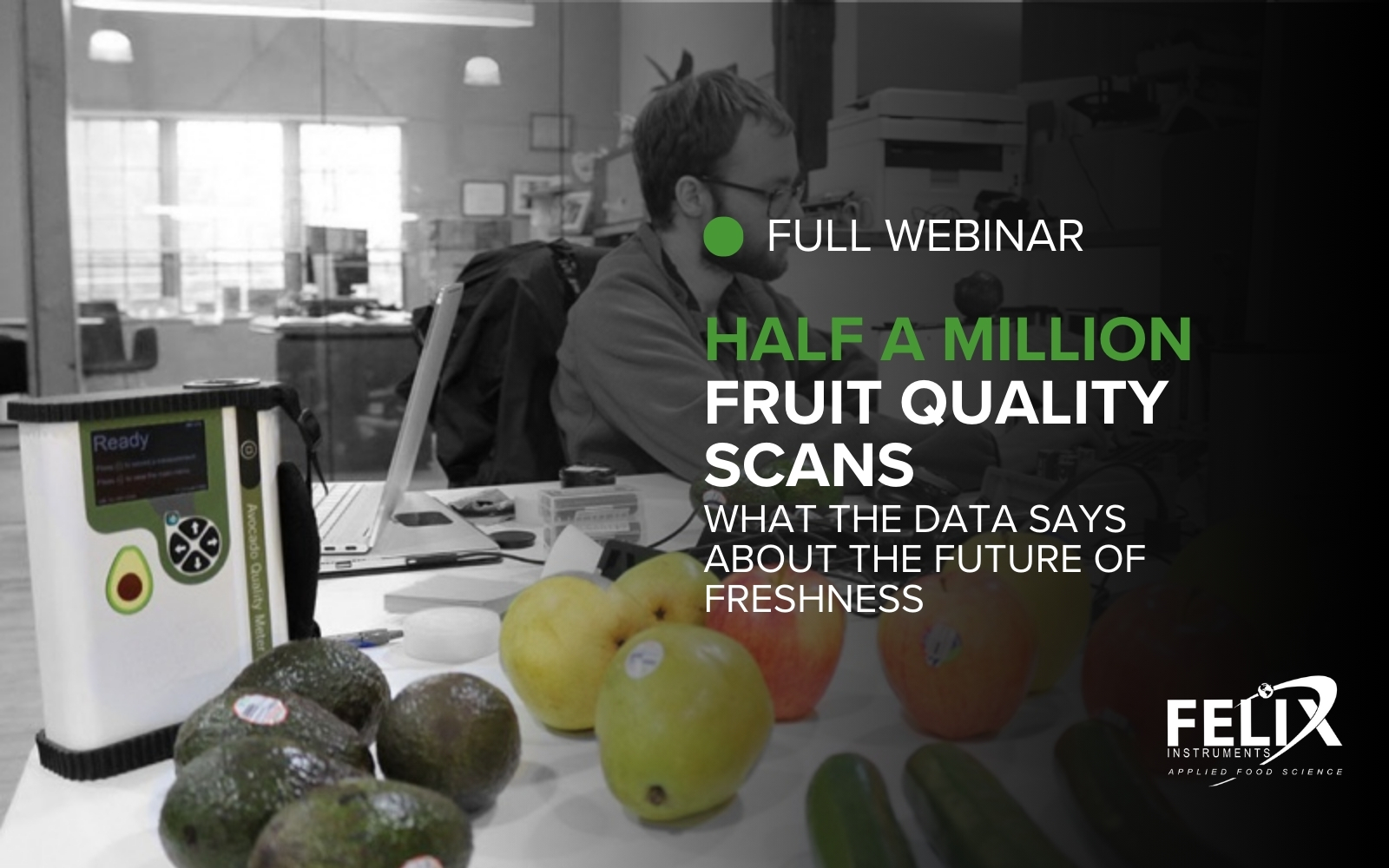
WEBINAR: Half a Million Fruit Quality Scans: What the Data Says About the Future of Freshness

Fruit quality can feel unpredictable, even when teams rely on long-standing testing methods. Over the past decade, Felix Instruments has scanned more than half a million individual fruits across crops such as avocado, mango, citrus, grape, apple, and more, building a large real-world dataset that reveals just how variable internal quality can be. In this… Continue reading…

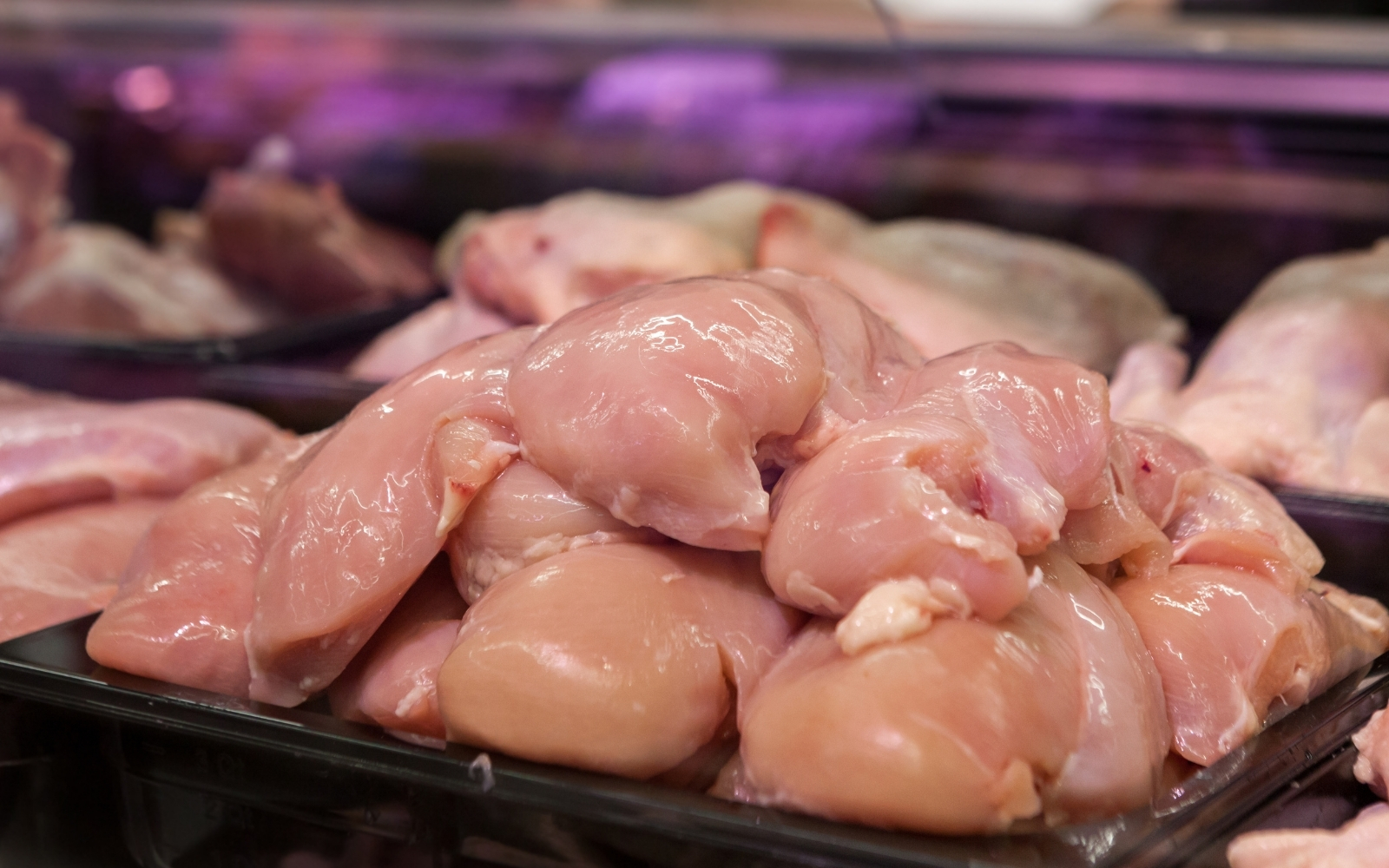
Why Is the Geographical Origin of Meat Important and How Is It Verified?

Determining the geographic origin of meat is necessary to authenticate the quality and specialty indicators of origin. Geographic origin determination is also necessary to control the entry of banned meat contaminated with animal pathogens and to prevent the spread of disease. Near-infrared spectroscopy is one of the easiest, portable, and accessible methods of meat analysis… Continue reading…

F-750 vs TR Turoni 532: Which Produce Quality Meter Gives You Better Dry Matter Accuracy?

When measuring fruit maturity and postharvest quality, dry matter is one of the most trusted indicators. It’s the foundation for understanding ripeness, flavor potential, and storage performance across crops like avocados, mangoes, kiwifruit, and apples. In the debate of F-750 vs TR Turoni 532, both instruments are popular choices for non-destructive dry matter estimation. The… Continue reading…

What Are Brix Measurements and Are They Crucial in Fresh Produce?

Brix is the most common unit used in the food and beverage industry. Brix measurement is helpful in crop production, scheduling harvest, quality control, marketing, and processing. The use of Brix is widespread because it is easy and inexpensive, and it can be used in fields, storerooms, during transit, in shops, and in processors. Nondestructive… Continue reading…

Cherry Harvest Time: How to Know the Best Day to Pick Sweet Cherries

Sweet cherries’ harvest maturity can be estimated by chronology and physical attributes like skin color, weight, size, and firmness. Internal quality parameters like soluble solids content, titratable acidity, and taste can also be used as harvest maturity indices. Skin color is considered the best indicator for the optimum harvest maturity of cherries. Simultaneous non-destructive estimation… Continue reading…