Latest nir-spectroscopy
What’s the Minimum Sample Size Needed for Reliable NIR Readings?
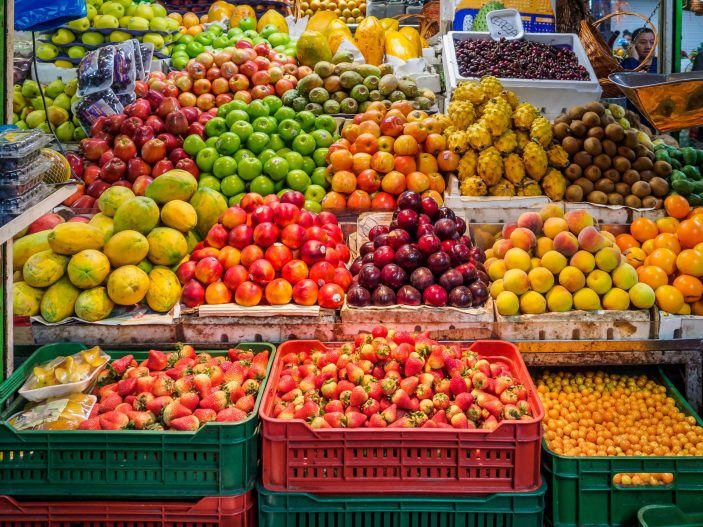
Reliable NIR readings start with a simple question: how many samples are enough? The honest answer is that there is no universal minimum that works for every crop, every lot, and every decision. A small, uniform lot may need fewer readings than a mixed lot coming from different orchards, harvest dates, sizes, or maturity stages.… Continue reading…


Additional reading
Can I Build My Own NIR Model, or Should I Use Felix’s built in models?
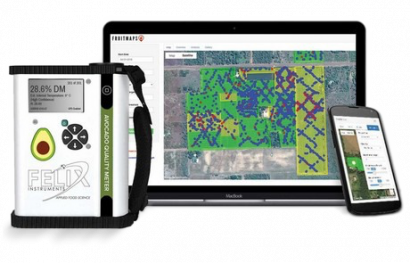
An NIR model is only as useful as the data behind it. That is the main point to keep in mind when deciding whether to build your own calibration or use Felix Instruments’ built-in models. In fresh produce, a good NIR model has to deal with cultivar variation, growing region, harvest timing, dry matter range,… Continue reading…

7 Best Practices for Collecting NIR Data in the Field
Good field NIR data collection starts long before the first scan. In orchards, vineyards, and packing operations, the difference between useful data and noisy data usually comes down to sampling discipline, repeatable technique, and the right instrument setup. That is why field teams using handheld NIR tools need a process that matches the chemistry of… Continue reading…
5 Benefits of Pairing NIR Data with Firmness Tests
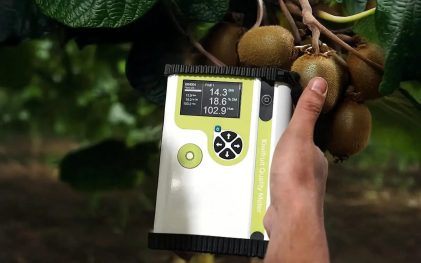
When produce teams talk about better maturity decisions, they usually end up discussing more than one metric. That is why NIR data matters most when it is paired with firmness tests. NIR data gives you fast, non-destructive insight into internal quality traits such as dry matter, Brix, titratable acidity, and internal color, while firmness testing… Continue reading…
Major Causes of Postharvest Decline in Fresh Produce
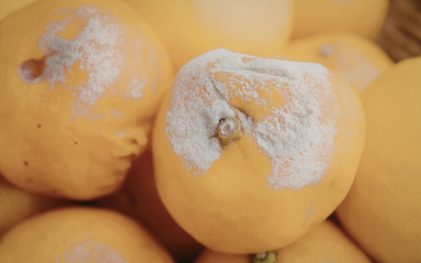
The main causes for postharvest decline in fresh produce are mechanical damage, respiration, transpiration, ethylene, and senescence. The importance of each cause varies across classes of fresh produce, including root vegetables, leafy vegetables, flower vegetables, immature fruit vegetables, and mature fruits. Adequate technology adoption can significantly reduce postharvest decline. Around 40-50% of fruits and vegetables… Continue reading…

Myth: NIR Devices Work the Same on All Cultivars
Near-infrared fruit analysis is widely used across the produce industry, but a persistent myth still circulates: that one NIR model works the same on every cultivar. The truth is that cultivar differences directly impact NIR calibration accuracy, and ignoring that reality leads to inconsistent data and poor decisions. If you rely on NIR devices for… Continue reading…
Truth About F-Series Devices and Reference Methods: What Correlation Really Means
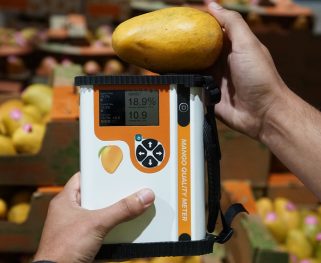
When people talk about correlation in the context of a produce quality meter, the conversation often gets simplified. A device is tested against a lab reference method. A number comes back. If it is high, the instrument is considered accurate. If it is lower, doubts start to creep in. But correlation is more nuanced than… Continue reading…