Latest uncategorized
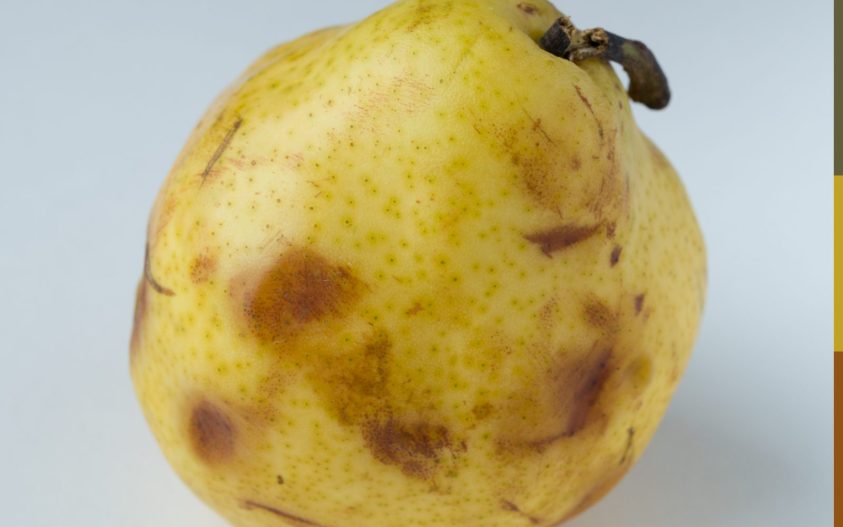
What is Fresh Produce Postharvest Physiological Disorder?
Physiological disorders are stress responses in fresh produce that cause cellular necrosis and can be expressed in many ways. Fresh produce susceptibility to physiological disorders varies by genotype and can result from one or more environmental factors. The causal factors of postharvest physiological disorder can be preharvest and/or postharvest conditions. Physiological disorders and pathological causes account… Continue reading…


Additional reading
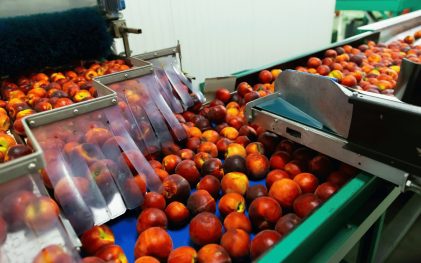
Postharvest Mechanical Damage and Its Effects on Fresh Produce Quality
Mechanical damage occurs most during harvest, sorting, grading, packaging, and distribution transport stages. The mechanical damage types are impact, compression, friction, puncture, vibration, and cutting. The mechanical damage phenotypes can include bruising, tissue collapse, perforation, cracking, and breaking. Internal factors and external environmental conditions in the postharvest chain are crucial in determining the extent of… Continue reading…
Difference in Modified Atmosphere Packaging for Fresh Produce: Whole vs Cut Explained
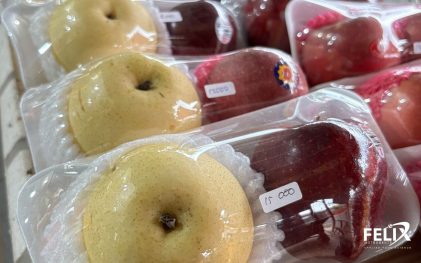
Low-processed or cut fresh produce has higher rates of respiration, transpiration, ethylene production, and microbial spoilage than whole produce. Gas composition, packing material permeability, and use of additional hurdles differ for whole and cut fresh produce. It is advisable to monitor MAP headspace gas composition in the supply chain for quality control. Cut and ready-to-eat… Continue reading…
WEBINAR: Avocados, Now with AI: How AI and Customer Feedback Just Made the Avocado Quality Meter More Accurate and Far Easier to Use
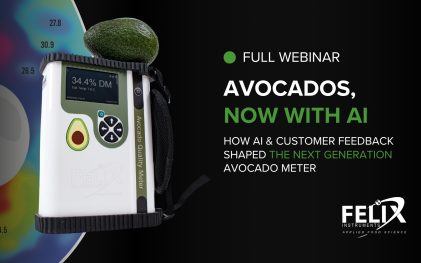
The next-generation Felix Avocado Meter is here, and this webinar gives a full look at what makes it different. In this session, Galen George, Director of Applied Science, explains how AI and customer feedback helped shape a more accurate, easier-to-use approach to avocado dry matter analysis. From stronger performance across maturity stages to a refreshed… Continue reading…
How NIR Technology Supports the Circular Economy in Agriculture
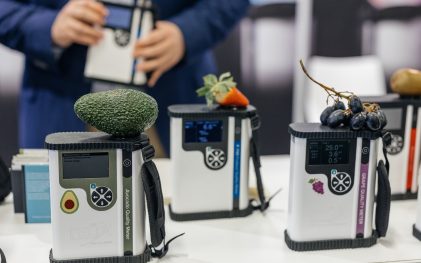
Near-infrared (NIR) spectroscopy-based technology makes food production circular by improving process efficiency from farm to retailer. NIR technology helps design waste reduction at critical points in the food supply chain by providing non-destructive, real-time data on the external and internal quality of food. Monitoring crops with NIR enhances food value by ensuring the safety, nutrition,… Continue reading…
10 Fruits Commonly Tested with the F-750
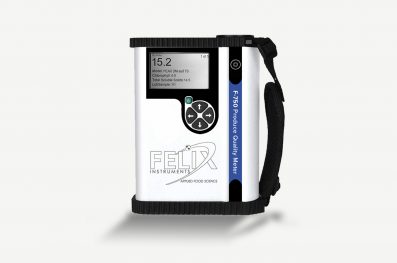
Quality testing is a constant challenge in fresh produce operations. Growers, packers, and researchers need fast and reliable ways to measure internal fruit quality without destroying the product. The F-750 produce quality meter from Felix Instruments addresses that need by using near infrared spectroscopy to evaluate fruit maturity and internal attributes in seconds. Because the… Continue reading…

From the Stage at Fruit Logistica 2026: Rethinking Freshness with 500,000 Data Points
At Fruit Logistica Berlin 2026, we presented insights from more than 500,000 non-destructive fruit quality scans collected across global growing regions, multiple seasons, and every stage of the supply chain. What this dataset reveals is simple but consequential: most quality control systems are built around averages, while the real economic damage comes from the extremes.… Continue reading…