What Are Fresh Produce Standards? International Food Quality Standards Explained
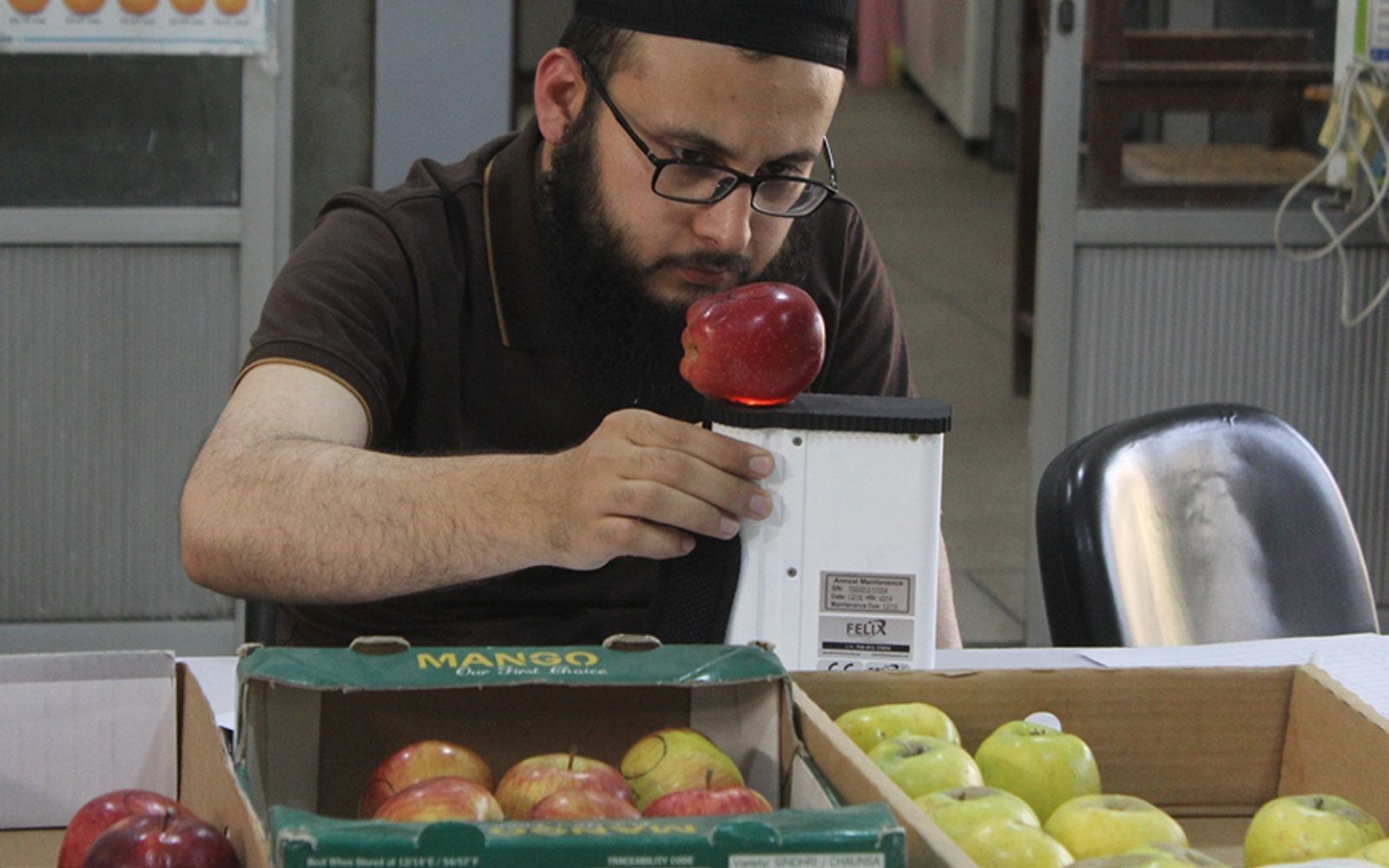
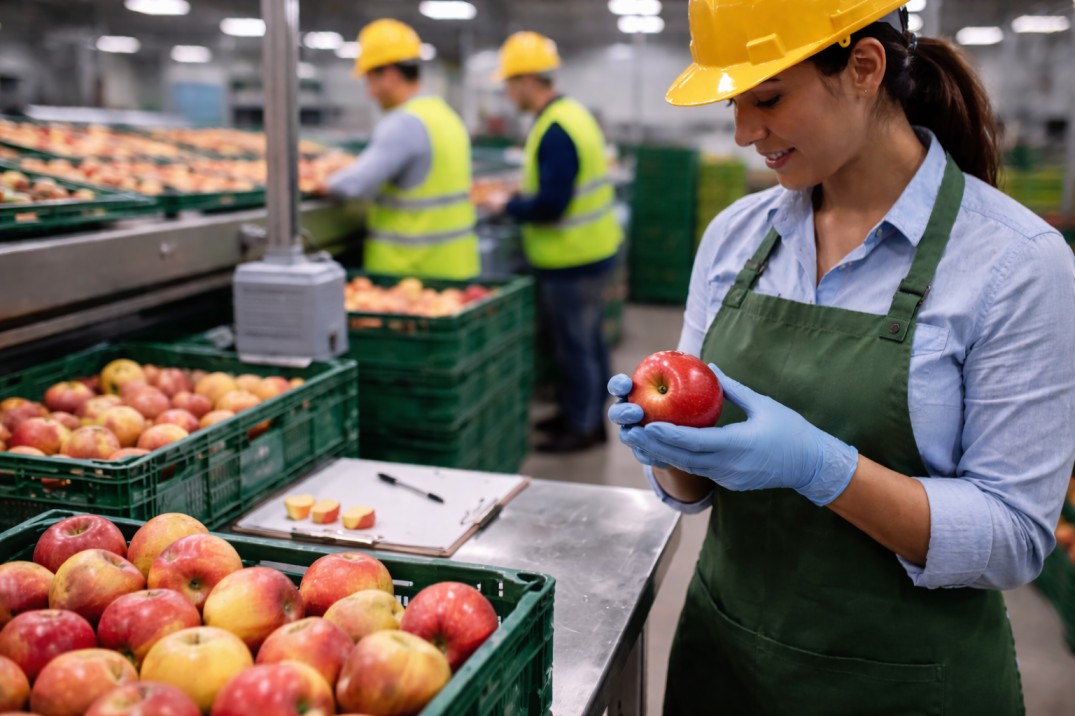
The Codex Alimentarius, developed by the Food and Agriculture Organization (FAO) and the World Health Organization (WHO), is the primary standard for fresh produce used voluntarily by other international organizations and national governments. Other prominent international organizations that establish and promote fresh produce quality standards include the United Nations Economic Commission for Europe (UNECE), the… Continue reading…

What Is Crop Phenotyping and Why Is It Essential for Modern Crop Breeding?

Genetic diversity in wild relatives of crops can provide crucial inputs to improve food production. High-throughput plant phenotyping (HTPP) methods can improve the efficiency of crop breeding research and crop monitoring in precision agriculture. Portable quality meters can be integrated into HTPP systems for biochemical and sensory fruit quality parameter phenotyping Crop phenotyping is the… Continue reading…

How Do Postharvest Microbial Treatments Extend Fresh Produce Shelf Life?

Fruits and vegetables harbor a microbiome on their surfaces that interacts with them to influence fruit quality. Fruit/plant-microbial interactions can be used in postharvest management to control spoilage microbes, thereby improving fresh produce quality and shelf-life. These microbial-plant/fruit interactions include competition, mycoparasitism, volatile secretions, microbial biofilms, quorum sensing, and systemic resistance induction. Postharvest spoilage, quality… Continue reading…

How Often Should I Recalibrate My F-750 or F-751?

F-751 Ease of Use

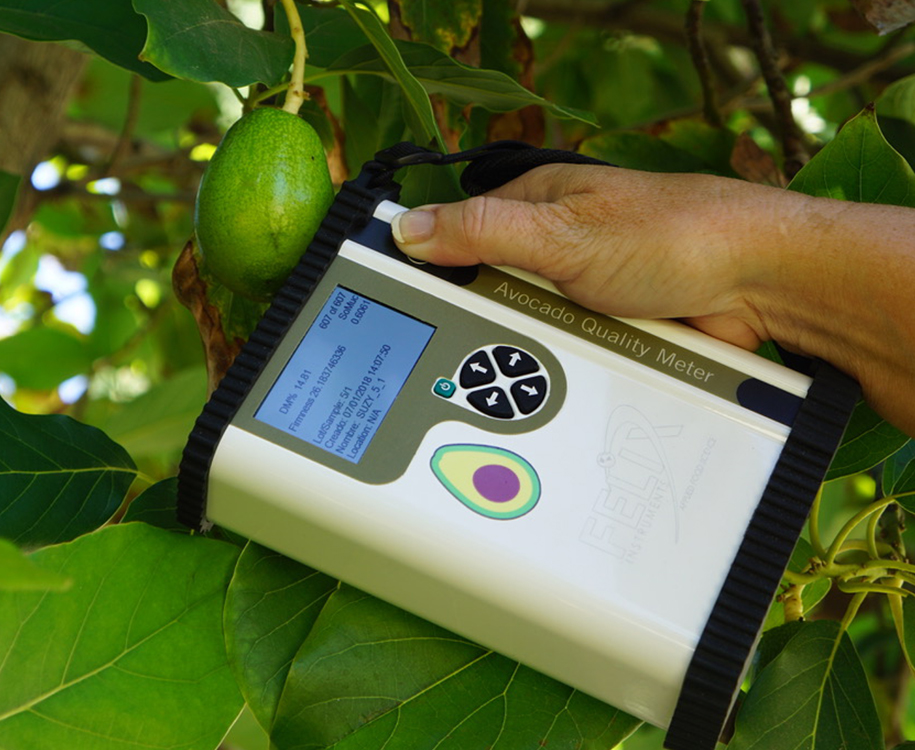
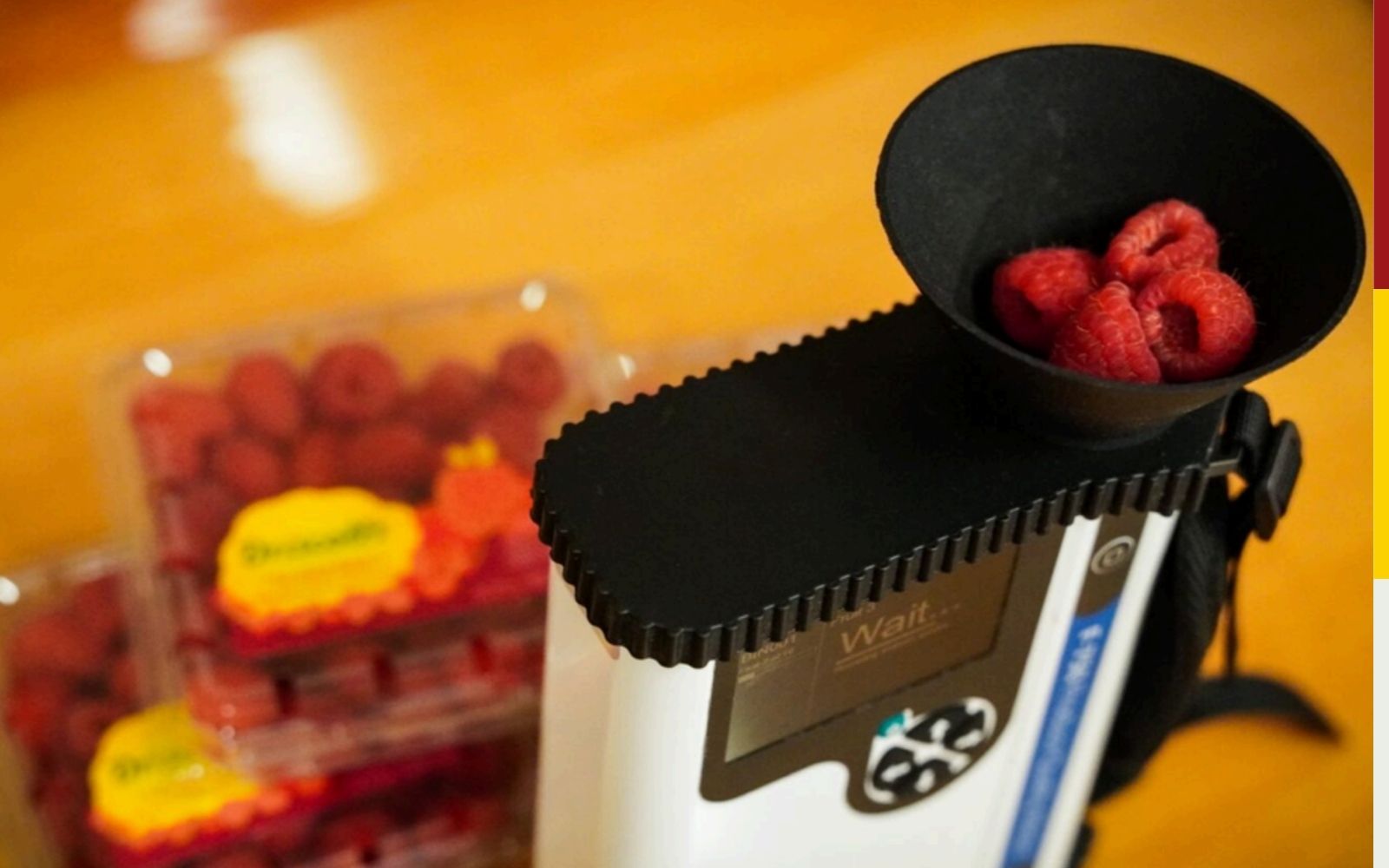
If you rely on an F-750 or F-751 Quality Meter for harvest timing, intake checks, ripeness management, or quality control, F-750 recalibration should be treated as part of your measurement routine, not as an afterthought. These Felix Instruments meters are designed for fast, non-destructive produce quality assessment, but like any NIR-based instrument, the quality of… Continue reading…

How Do Plant Growth Regulators in Fruit Production Improve Yield and Quality?

Plant growth regulators (PGRs) regulate hormonal pathways that regulate fruit set, size, shape, color, firmness, taste, and aroma. PGRs can also synchronize fruit maturity and control postharvest ripening, senescence, physiological disorders, and microbial spoilage. PGRs rarely act in isolation but rather in a network of synergistic or antagonistic interactions. PGRs applied in correct, precise amounts… Continue reading…

Quality-Control Protocols Using F-750 in Packinghouses

Quality-Control Protocols Using F-750 in Packinghouses

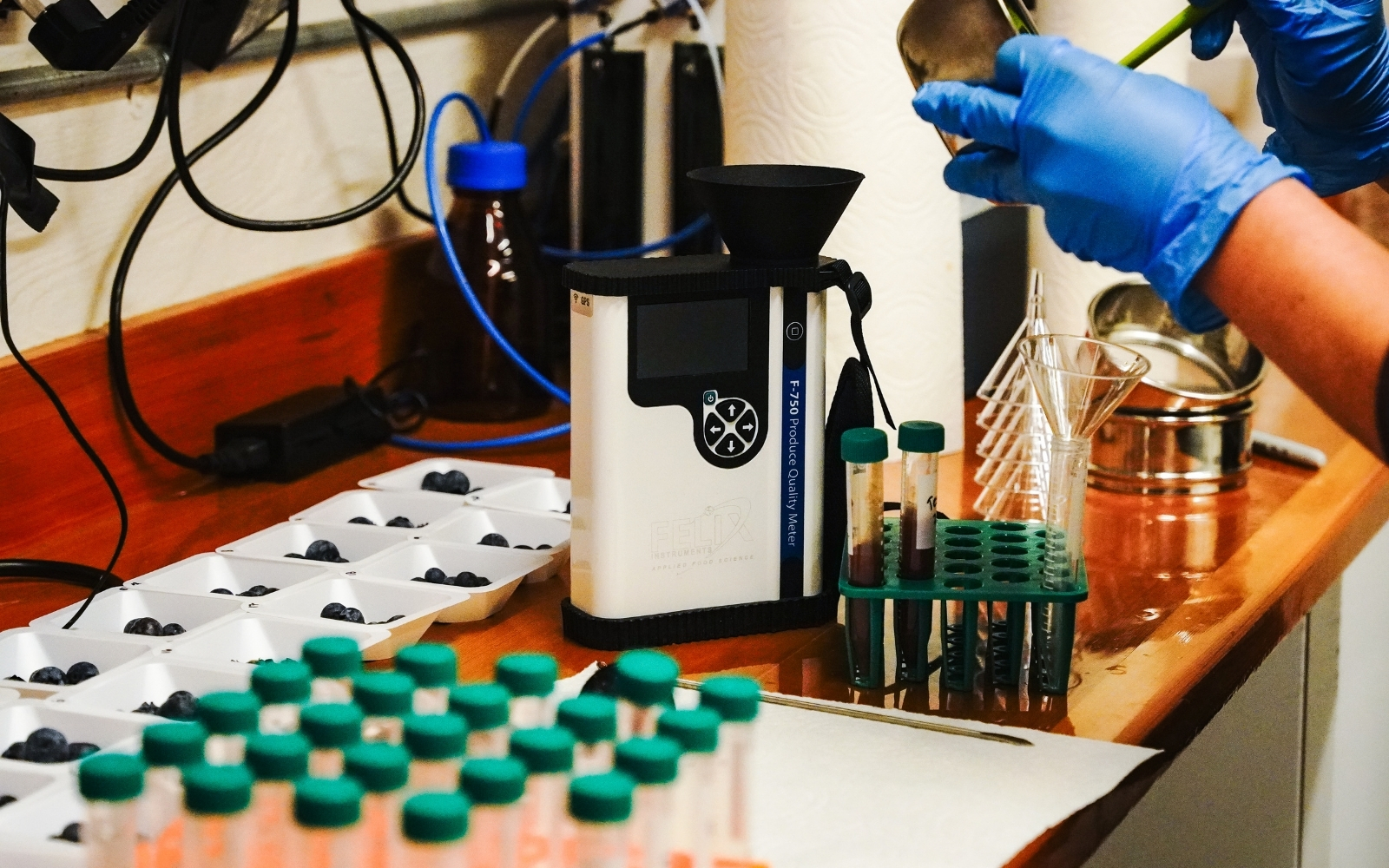
Quality control in modern packinghouses depends on fast, consistent decisions. Growers and packers are under pressure to verify internal quality without slowing down throughput or damaging fruit. The F-750 produce quality meter has become a practical tool for meeting that challenge. By combining nondestructive testing with repeatable measurements, the F-750 quality meter fits naturally into… Continue reading…

Can Ethylene in Greenhouses Harm Your Crop Yield?

Vegetable growers should monitor ethylene, as it can cause stunting, defects, delayed flowering, and a significant reduction in yield. The extent of damage depends on the species, greenhouse type, temperature, ethylene concentration, exposure duration, and plant stage. Ethylene concentrations in greenhouses and indoor environments must be below 20 nmol⋅mol−1 (0.020 ppm or parts per million)… Continue reading…

What Is Titratable Acidity and Why Is It So Important in Fresh Produce?

Titratable acidity (TA) is measured as it is an indicator of quality, maturity, and taste in fresh produce. Measuring titratable acidity in the fresh produce supply chain can ensure quality, shelf-life, consistency, and consumer satisfaction. It is used to determine harvest time, quality control, sorting, grading, and regulatory compliance. Titratable acidity is a crucial intrinsic… Continue reading…

WEBINAR: Half a Million Fruit Quality Scans: What the Data Says About the Future of Freshness

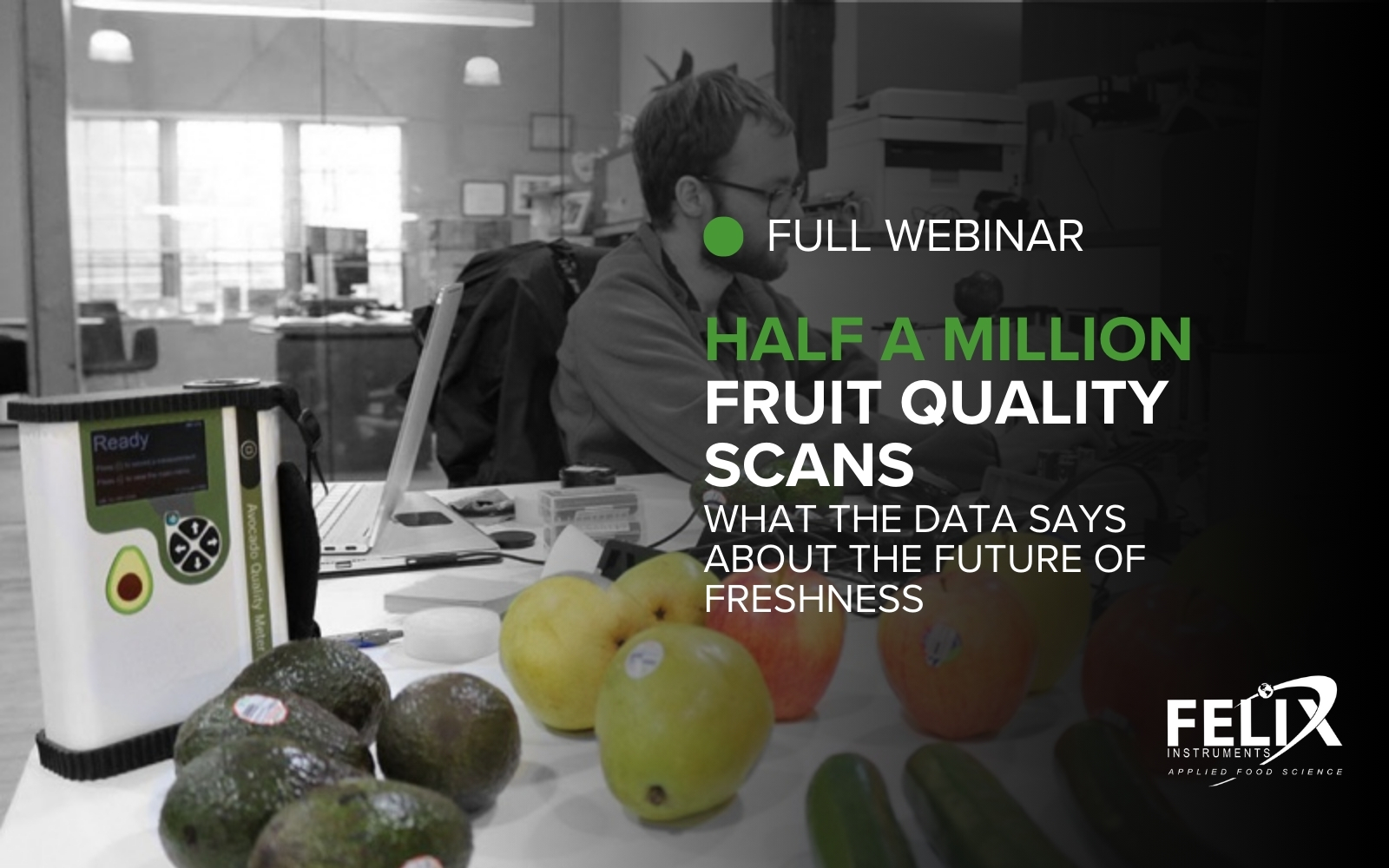
Fruit quality can feel unpredictable, even when teams rely on long-standing testing methods. Over the past decade, Felix Instruments has scanned more than half a million individual fruits across crops such as avocado, mango, citrus, grape, apple, and more, building a large real-world dataset that reveals just how variable internal quality can be. In this… Continue reading…

Cherry Harvest Time: How to Know the Best Day to Pick Sweet Cherries

Sweet cherries’ harvest maturity can be estimated by chronology and physical attributes like skin color, weight, size, and firmness. Internal quality parameters like soluble solids content, titratable acidity, and taste can also be used as harvest maturity indices. Skin color is considered the best indicator for the optimum harvest maturity of cherries. Simultaneous non-destructive estimation… Continue reading…