Latest application
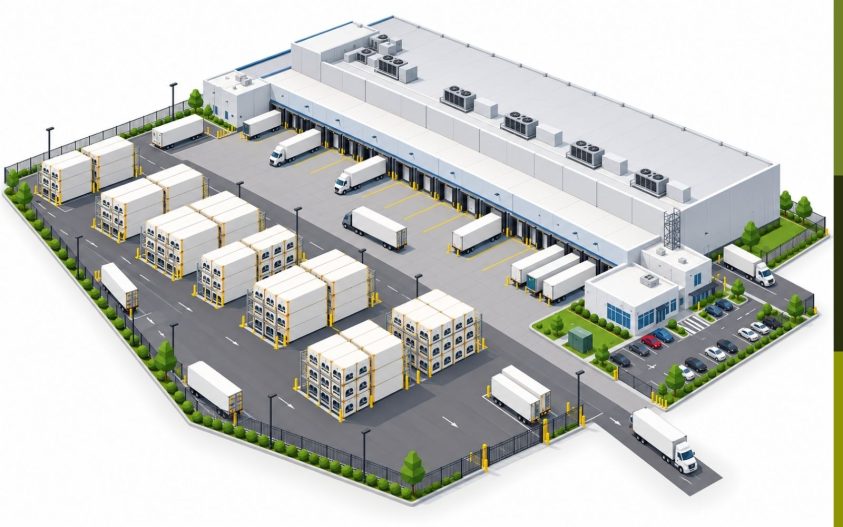
Controlled Atmosphere Facilities: What Are the Different Types?
Different Types of Controlled Atmosphere Facilities for Fresh Produce Controlled atmosphere (CA) facilities alter temperature, relative humidity, and the concentrations of oxygen, carbon dioxide, and ethylene. CA works by slowing biological activity such as respiration, transpiration, ripening, and senescence, and by limiting physiological disorders, insect damage, and disease. Commercial CA types available are standard, static,… Continue reading…


Additional reading

7 Metrics Every Postharvest Facility Should Track Weekly
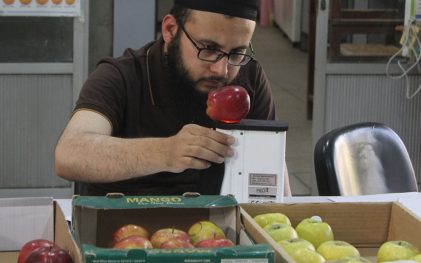
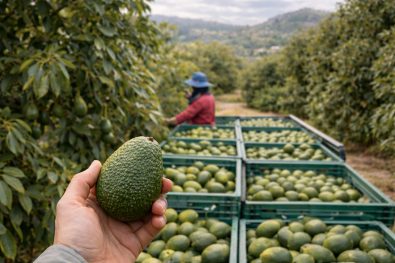
Postharvest facility metrics should never be treated like background paperwork. They are one of the clearest ways to catch quality drift before it turns into shrink, claims, or rejected loads. A weekly review gives postharvest teams a repeatable way to connect room conditions, fruit physiology, and packout results. It also helps separate guesswork from actual… Continue reading…
6 Ways to Extend Instrument Life in Harsh Environments
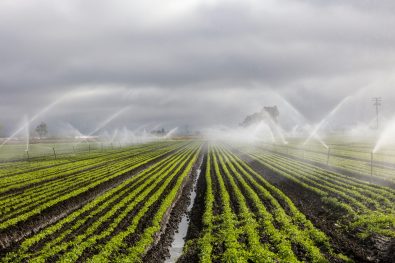
Working in challenging conditions is part of the job for many industries, especially in agriculture, postharvest handling, and food science. Whether you are dealing with dust, moisture, temperature swings, or rough handling, protecting your equipment becomes essential. Extending instrument life in harsh environments is not just about saving money. It is about maintaining data accuracy,… Continue reading…

How Do Plant Growth Regulators in Fruit Production Improve Yield and Quality?
Plant growth regulators (PGRs) regulate hormonal pathways that regulate fruit set, size, shape, color, firmness, taste, and aroma. PGRs can also synchronize fruit maturity and control postharvest ripening, senescence, physiological disorders, and microbial spoilage. PGRs rarely act in isolation but rather in a network of synergistic or antagonistic interactions. PGRs applied in correct, precise amounts… Continue reading…

Myth: You Can Tell Ripeness by Color Alone
In produce operations, the idea that you can determine fruit ripeness by color alone is persistent. It sounds practical. Walk a field or a packing line, look for the right shade, and make a decision. But when fruit ripeness testing becomes critical to quality control, color quickly shows its limits. If you rely on visual… Continue reading…
Truth About Portable Gas Sensors in Cold Storage: Condensation Isn’t Harmless
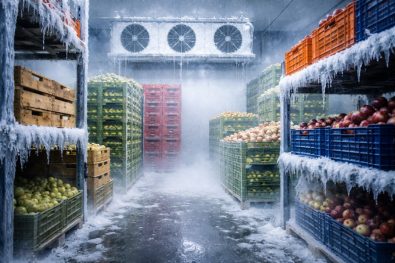
Cold storage environments are tough on equipment. Anyone who has worked in produce storage rooms, ripening facilities, or distribution centers knows that temperature swings and high humidity are part of the job. Portable gas sensors for cold storage are often treated as rugged tools that can handle it all. But there is one factor that… Continue reading…

Myth: Ripening Control Is Just About Ethylene
Ripening control is often reduced to a single variable: ethylene. In reality, effective ripening control depends on a coordinated understanding of ethylene, oxygen, carbon dioxide, temperature, and commodity-specific physiology. Focusing on only one gas oversimplifies postharvest management and leaves room for quality loss, uneven ripening, and reduced shelf life. For growers, packers, storage operators, and… Continue reading…