What Are Fruit Ripening Systems? Types, Methods, and How They Work


Dr. Vijayalaxmi Kinhal

August 6, 2026 at 4:22 pm | Updated August 6, 2026 at 4:22 pm | 10 min read
- Artificial ripening systems are necessary for providing evenly ripened, high-quality fresh produce year-round.
- The ripening agent used is usually ethylene, but others like gibberellins, acetylene, ethephon, and calcium carbide are also applied.
- Simple ripening systems depend on natural internal enzymatic processes and lack environmental control.
- Advanced ripening systems use artificial agents and improve efficiency by monitoring and controlling the environmental factors in the rooms.
Ripening is a vital stage in fruit development that makes them acceptable to consumers. However, the timing and efficiency of ripening have a significant influence on the postharvest quality of fruits and vegetables. Ripening systems are designed to meet various objectives in the food supply chain, and their choice depends on economics and the type of fruit. This article covers the major types of ripening systems that stakeholders use for their fresh produce.
Need for Different Postharvest Fruit Ripening Systems
Ripening is a natural process that occurs when fruits are completely mature. Intrinsic chemical processes cause fresh produce to change in appearance, color, taste, and flavor. Postharvest ripening systems are used for climacteric fruits that can ripen after harvest, such as apples, mangoes, chilies, and tomatoes. Non-climacteric fruits that cannot ripen after harvest and must be ripe at harvest do not require ripening systems, such as berries.
Climacteric fruits can ripen on trees and plants and become soft, edible, and colorful; however, many market considerations make post-harvest ripening more attractive and suitable for business.
Subscribe to receive our monthly round-up of articles.
- Quality control: Ripening is the beginning of many degradation processes in fresh produce such as cellular disintegration and metabolic disruption, which are naturally followed by fruit senescence or decay. To prevent quality degradation, supply chains pick climacteric fruits when mature but unripe to enable longer storage. This then necessitates postharvest ripening before retailing.
- Year-round availability: Consumers nowadays want all fresh produce available year-round. To supply climacteric fresh produce out of season, suppliers source it from different geographical areas. In these cases, fruits are harvested when mature but unripe to allow time for long-distance transport, and then ripened artificially upon arrival in the importing countries.
- Better returns: Local markets also store excess production in cold storage and ripen it later in the off-season for better returns and to meet year-round consumer demands.
- Increase ripening processes: Sometimes, fruits are ripened artificially even in season, to speed up the process during times of high demand.
- Consumer expectations: The natural ripening process is uneven and slow, so fruits can lose water content and weight, spoiling the fruit quality. Artificial ripening can achieve a uniform and higher degree of changes in color and appearance as well as nutrition in fresh produce to meet consumer or retail requirements
Postharvest artificial ripening systems consist of two parts: the causal agent used for ripening and the facilities and methods by which it is supplied or applied. These systems leverage the enzymatic processes responsible for ripening in plants.
Artificial Processes
Ethylene (C2H4) is the main hormone that triggers and accelerates ripening in climacteric fruits, accompanied by an increase in fruit respiration. Ethylene changes color, sweetness, texture, and aroma as well as many physiological processes. External environmental factors such as temperature, relative humidity, and gas composition that influence ripening processes and rate are also considered to improve the efficiency of artificial ripening systems.
Besides ethylene, many other chemicals are also used to trigger ripening in climacteric fresh produce: calcium carbide, ethephon, ethanol, glycol, and methanol. Some of the important agents are discussed below:
- Ethylene: Artificial ethylene gas is added to the air where fresh produce to be ripened is stored. The exact amounts of ethylene and the associated environmental conditions necessary for ripening depend on the species, cultivar, and maturity of fresh produce. Ethylene is the most suitable ripening agent, causing no negative health problems for consumers or adverse quality effects on fresh produce. It is also suitable for organic fresh produce as it has the same chemical composition as the natural plant hormone. It is suitable for ripening all climacteric fresh produce and degreening citrus.
- Calcium carbide: The grayish-black powder, also called masala, is usually used in welding. It is commonly used in developing countries for artificial ripening of mangoes, bananas, papayas, apples, and plums. Calcium carbide combines with moisture to release acetylene, which also triggers ripening like ethylene. Calcium carbide-ripened fresh produce develops positive color and texture, but lacks flavor. As the chemical is low-cost, more than necessary amounts may be used. Industrial-grade calcium carbide can contain traces of phosphorus hydride and arsenic that are harmful to people’s health.
- Ethephon: Fruits such as banana, pineapple, and tomato are artificially ripened with ethephon, which releases ethylene, because the chemical reduces the time to ripen by a couple of days, compared to natural ripening. It is also used in combination with alkalis like sodium hydroxide in India to ripen fruits such as banana and papaya in 12 to 24 hours. It is preferred over calcium carbide but produces fruits with lower nutritional value and is a major health risk, as it can also contain arsenic and lead.
- Gibberellins: These are also plant growth hormones, which can be useful to control artificial ripening in certain fruits like grapes and apples.
Many artificial ripening agents, such as calcium carbide, are restricted in developed and developing countries due to adverse health effects. An acceptable ripening agent, ethylene, is used in a wide variety of facilities that vary in complexity.
Traditional and Simple Ripening Systems
Most traditional systems were simple and depended on natural ripening processes and the internal hormones produced by the fruits themselves. In most cases, no additional agent was used for starting the ripening process. Some common simple systems used by food suppliers include gunny bags, straw, artificial heat, and smoke chambers.
-
Gunny bags and straw
Both methods aim to trap the ethylene produced by fruits, and the increased concentration of the hormone improves the rate of ripening and produces more even patterns of color change. These materials allow the fruits to respire but prevent the diffusion of ethylene into the atmosphere.
- Gunny bags: Fruits are placed in a gunny bag for a few days and stored at room temperature for ripening.
- Straw: Fruits are placed between layers of straw or wrapped in straw, and kept in cardboard boxes or plastic crates at room temperature for a week for ripening; see Figure 1. The method is used for mango and banana ripening.
A study showed that these two methods produce slower ripening than adding ethephon.
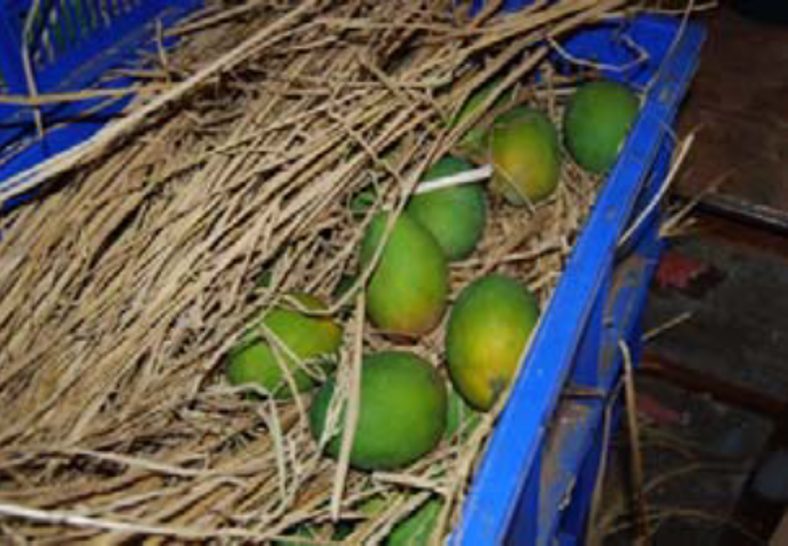
Figure 1: “Mango ripening using paddy straw,” TNAU. (Credits: http://www.agritech.tnau.ac.in/horticulture/fruit_ripening.pdf)
-
Mixed storage
Sometimes stakeholders take advantage of high-ethylene producers like tomatoes and bananas. These high-ethylene producers are kept in airtight rooms or chambers with the fruits that need to ripen faster. This method can produce results comparable to supplying artificial ethylene or ethephon in terms of sweetness, softness, and appearance.
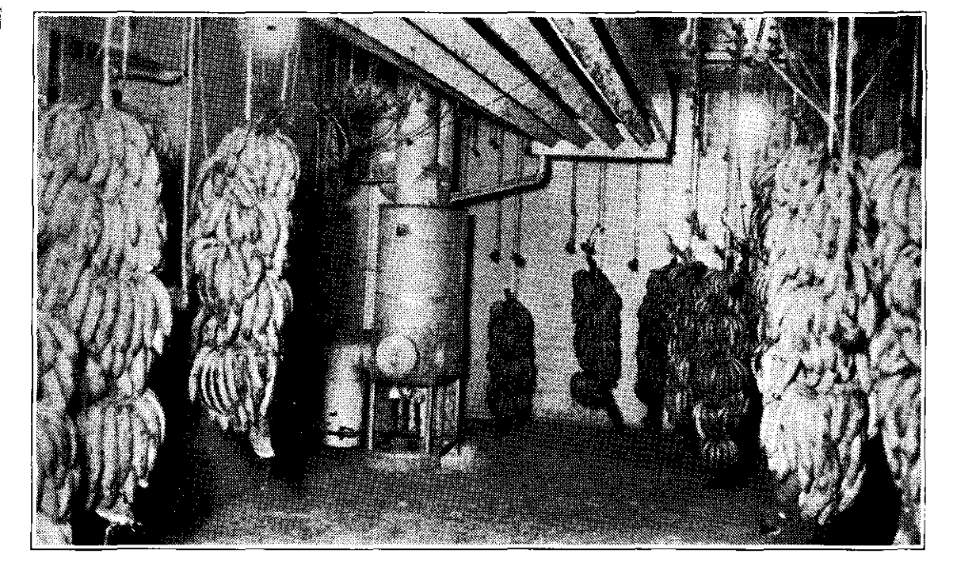
Figure 2: “Banana room equipped for maintaining a suitable temperature and humidity, and gas-tight to prevent the escape of ethylene. The gas flame below the boiler heats the room and also evaporates the water in the boiler to maintain high humidity. The coils on the ceiling provide refrigeration when it is desired to stop the ripening process and hold the fruits in storage,” Harvey 1928. (Image credits: https://conservancy.umn.edu/server/api/core/bitstreams/3f918155-de81-437e-a1ea-e005de218f20/content)
-
Heat application
Before the use of ethylene for artificial ripening started, relatively high temperatures were used to ripen climacteric fruits plucked mature but green from the plants and trees. Higher temperatures increase fruit respiration rates that trigger the internal production of ethylene and ripening. The temperatures used were between 60°F and 80°F. The rate of ripening was slow at 60°F and increased with increasing temperature. As the temperatures were increased, the ripening decreased. Uniform ripening of pulp occurred under 65°F. At and above 80°F, the peel ripened but not the pulp. High humidity with the higher temperatures led to fungal diseases.
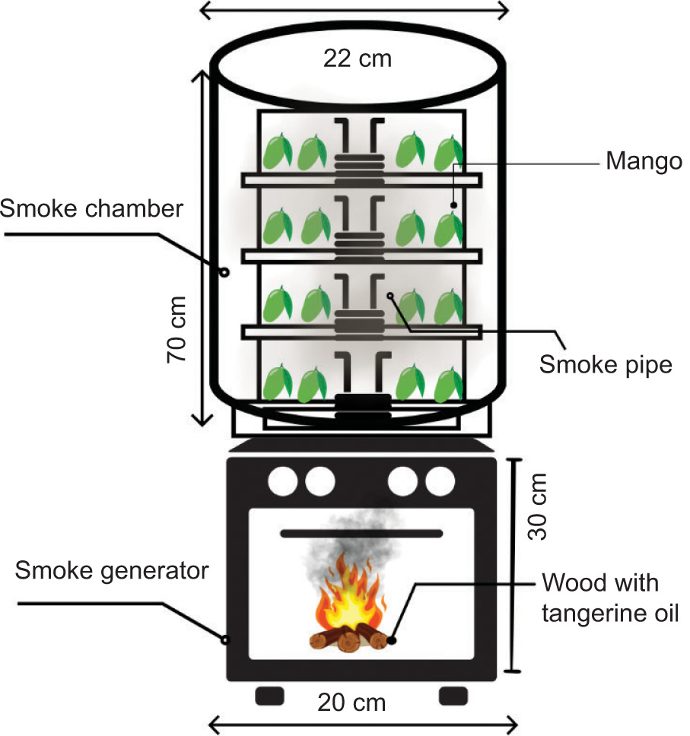
Figure 3: “Wood smoke exposure with tangerine oil vapors of 0.08% effectively accelerated mango ripening, preserved fruit quality, and prevented fungal attacks to increase shelf life” Matan & Khunjan (2026). (Image credits: DOI: 10.15586/qas.v18i1.1603)
-
Smoke chambers
Smoke chambers involve placing fruits to be ripened inside an airtight room, where smoke is supplied through a small fire in simple setups or through an outside wood smoke generator, as in Figure 3. Smoke releases acetylene that triggers ripening. Although fruits ripen through this method, color and flavor development is not uniform. Also, the smell of smoke can persist on fruits, spoiling their quality and consumer acceptance. This method is suitable for mangoes and bananas.
In all these four systems, the environmental parameters such as temperature, humidity, and gas composition are not monitored or controlled. Nor was ethylene or any ripening agent introduced. These processes have low capital and running costs and are widely used in many tropical countries.
Advanced Ripening Systems
In advanced ripening systems, a ripening agent, usually ethylene, is supplied to airtight units. Except in the case of the plastic tent, temperature, humidity, and gas composition of oxygen, carbon dioxide, and ethylene are strictly monitored and regulated for efficient ripening, customized for each species. Air is also circulated through stacks of fruit to distribute the ripening agent and temperature evenly in the room or chamber. These systems are more expensive than the simple traditional methods and require some expertise to maintain the required atmosphere.
The advanced ripening systems can be of five types and vary based on the structures used for airflow regulation:
- Lock sock
- NTH Model
- Side curtain type
- Air bag system
- Tarped model
The five models use pressurized rooms with integrated control systems to regulate temperature, humidity, and gas composition and are meant for a capacity between 5 and 25 tons of fruits. The models can be used for lower quantities of fruit by enclosing a part of the room to reduce power usage. These are portable, modular, and easy to install, and come with plug-in commissioning in contrast to permanent models. All come with sliding or vertical doors, are constructed with light PUF panels, and can also be used for pre-cooling of fruits.
-
LOCK SOCK model
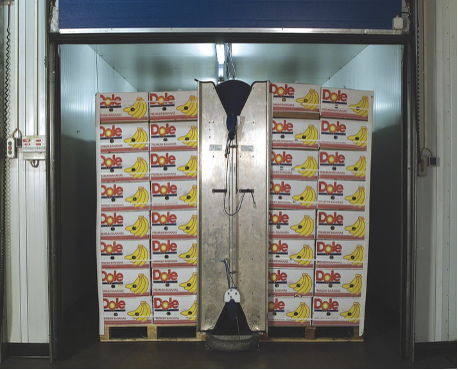
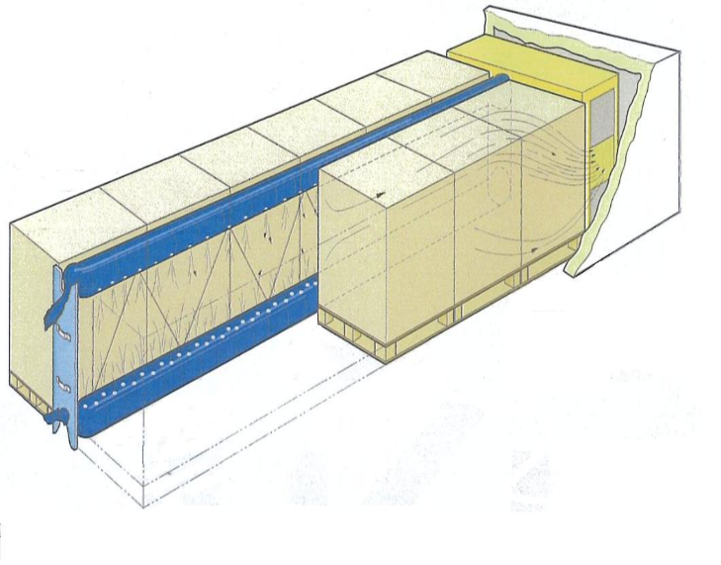
Figure 4: LOCK SOCK systems for ripening, National Horticulture Board. (Credits: https://nhb.gov.in/schemes/interko.pdf
The LOCK SOCK system provides high-quality ripening. The defining features are that the areas between pallets are sealed by preconditioned air and distributed through openings in the sock through the fruit boxes. The socks are made of patented inflatable fabric hoses. Thus, the temperature and ethylene are evenly distributed; see Figure 4. The system is useful for uniform ripening of tropical fruits like bananas, mangoes, and avocados. It is designed for a single tier of pallets that can be loaded and unloaded by hand trolleys.
-
NTH model
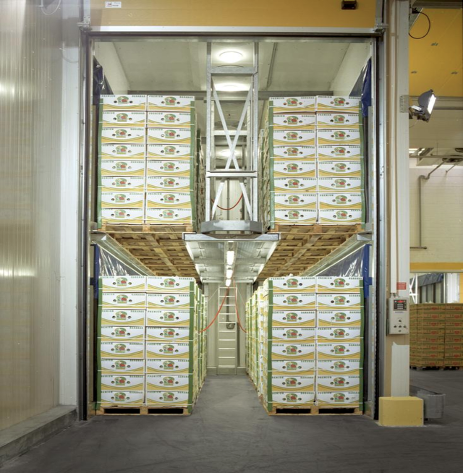
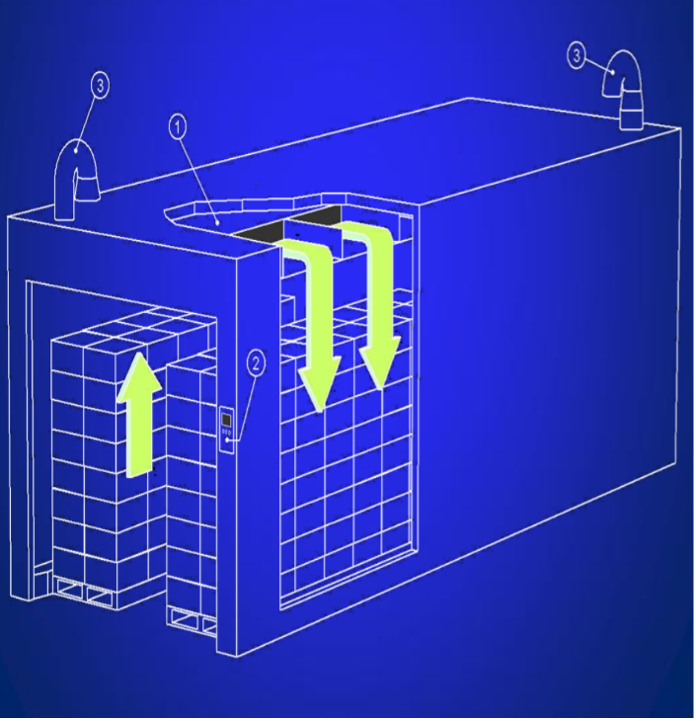
Figure 5: NTH Model of ripening rooms, National Horticulture Board. (Credits: https://nhb.gov.in/schemes/interko.pdf
The NTH model is designed for single- or multi-tier storage of fruits. In this case, air is released through evaporators in the roof for circulation; see Figure 5. It is used for auto-ripening and gives uniform, high-quality fruits with a longer shelf life. It automatically controls ethylene, carbon dioxide, temperature, and humidity. An electric fork is needed for loading and unloading
-
Side curtain model
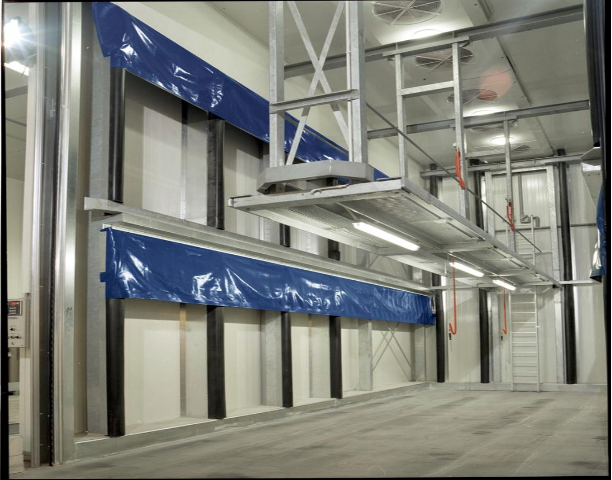
Figure 6: Side curtain model of ripening rooms, National Horticulture Board. (Credits: https://nhb.gov.in/schemes/interko.pdf
These pressurized systems use plastic side curtains to seal off open spaces and gaps beside the fruit pallets, directing air through the pallets for uniform temperature and ethylene distribution; see Figure 6. Some have the capacity to periodically reverse airflow horizontally and vertically to ensure uniform air distribution. It is suitable for one to three tiers of pallets. An electric forklift is needed for loading and unloading. This model saves space and labor, and is power efficient. It is more expensive than the LOCK SOCK and NTH models.
-
Inflated air bags model
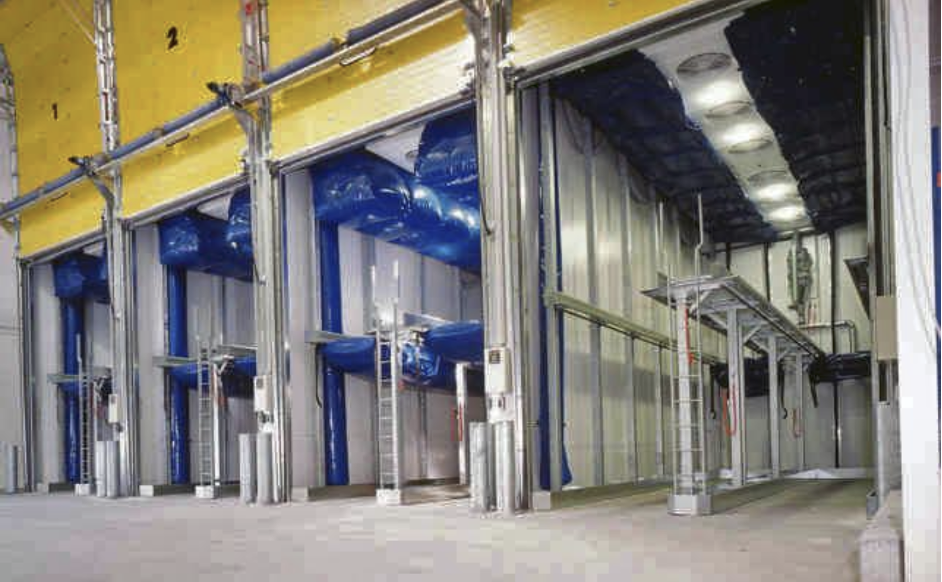
Figure 7: Inflated air bag systems for ripening, National Horticulture Board. (Credits: https://nhb.gov.in/schemes/interko.pdf
In these pressurized rooms, inflated air bags are installed on the roof to block the space above the stacks to force the air through the fruit boxes for uniform ripening, as shown in Figure 7. It is used for two to three tiers of pallets that require electric forklifts for loading and unloading. It is suitable for ripening where space is a constraint.
-
Tarped model
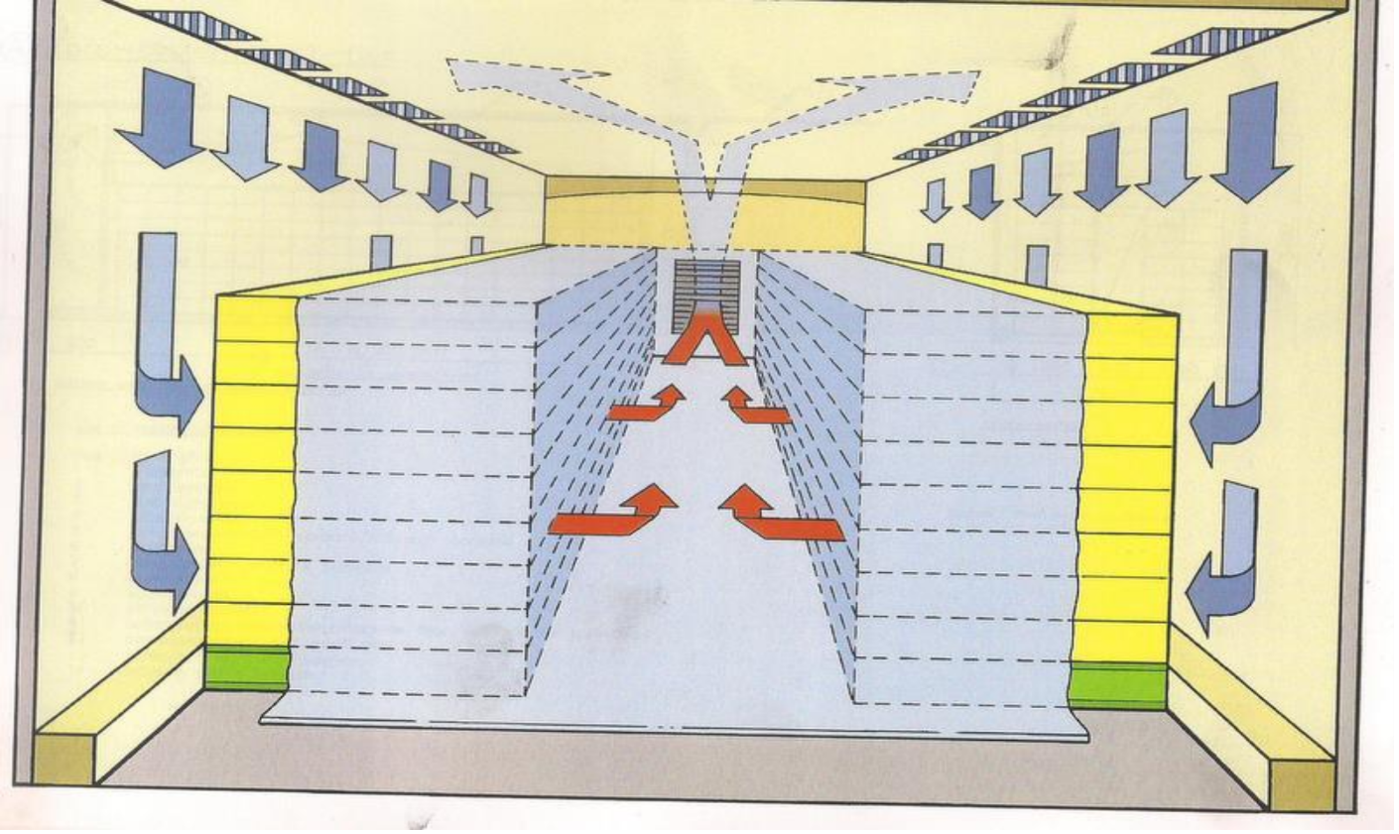
Figure 8: Tarped model of ripening rooms, National Horticulture Board. (Credits: https://nhb.gov.in/schemes/interko.pdf
These pressurized rooms are made for two or four rows of pallets or plastic crates. Between two rows, the space is covered by a tarp, so that air enters the fruit pallets from the sides. The system requires more capital to buy the movable parts (tarps) and labor costs for handling and maintaining the tarps.
-
Airtight portable plastic tent
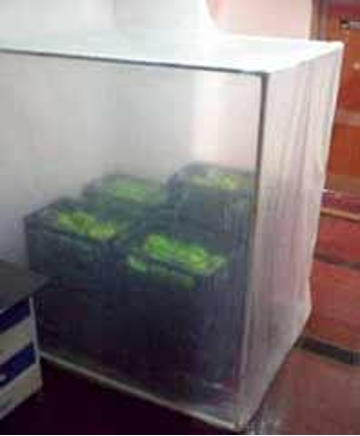
Figure 9: The plastic tent for fruit ripening, Vikaspedia. (credits: https://agriculture.vikaspedia.in/viewcontent/agriculture/post-harvest-technologies/technologies-for-agri-horti-crops/technologies-for-ripening-fruits?lgn=en)\
The modern and advanced ripening systems are expensive. The airtight portable plastic tent offers a cost-effective, simple system that uses an artificial ripening agent. It is usually a compact chamber suitable for smaller quantities of fruits, see Figure 3. The fruits are placed in ventilated crates in the plastic tent. Calculated amounts of ethephon with an alkali, sodium hydroxide, are added to release ethylene gas, after which the tent is made airtight. A small battery-operated fan ensures uniform distribution of the gaseous ethylene. After 18-24 hours, the fruits are removed from the tent, and ripening continues in room conditions. This method is used in India for mangoes, papaya, and bananas.
Environment Monitoring Systems
Environmental factors influencing the speed and efficiency of ripening, as well as ethylene levels, must be monitored. Sensors are necessary, especially in the advanced models where monitoring is integral to the system. Advanced ripening rooms use fixed automatic monitoring systems that can be operated remotely to avoid staff exposure to higher concentrations of carbon dioxide. Felix Instruments Applied Food Science offers the F-910 AccuStore, made for around-the-clock monitoring of ripening and storage facilities for temperature, humidity, and gas composition. The portable F-960 Ripen It! Gas Analyzer can be used in advanced systems and in traditional, simpler systems to check gas composition levels for controlling ethylene, oxygen, and carbon dioxide levels, and improve ripening.
Contact us to find out more about our gas analyzers for ripening rooms.
Sources
Kathiresan. (2020, March 1). Technologies for ripening fruits. Retrieved from https://agriculture.vikaspedia.in/viewcontent/agriculture/post-harvest-technologies/technologies-for-agri-horti-crops/technologies-for-ripening-fruits?lgn=en
Marc, R. A., Mureșan, C. C., Pop, A., Marțiș, G. S., Mureșan, A. E., Postolache, A. N., … & Rațu, R. N. (2023). An Overview of Ripening Processes. New Discoveries in the Ripening Processes.
Matan, N., & Khunjan, K. (2026). Novel mango ripening and anthracnose control using tangerine oil vapors and wood smoke: possible mode of action. Quality Assurance and Safety of Crops & Foods, 18(1), 36-53.
Nasir, U., Ismail, A., Riaz, M., Razzaq, K., Ali, S., Hussain, A., … & de Oliveira, C. A. F. (2024). Exploring fruit ripening methods: Conventional, artificial, and novel approaches for quality and health. Food Control, 165, 110626.
NHB.gov.in. (n.d.). Fruit Ripening Rooms. Retrieved from https://nhb.gov.in/schemes/interko.pdf
Related Products
- F-751 Grape Quality Meter
- Custom Model Building
- F-910 AccuStore
- F-751 Melon Quality Meter
- F-751 Kiwifruit Quality Meter
- F-750 Produce Quality Meter
- F-751 Avocado Quality Meter
- F-751 Mango Quality Meter
- F-9XXDK Dynamic Sampling Kit
- F-900 Portable Ethylene Analyzer
- F-950 Three Gas Analyzer
- F-920 Check It! Gas Analyzer
- F-960 Ripen It! Gas Analyzer
- F-940 Store It! Gas Analyzer
Most Popular Articles
- Spectrophotometry in 2023
- NIR Applications in Agriculture – Everything…
- The Importance of Food Quality Testing
- The 5 Most Important Parameters in Produce Quality Control
- Melon Fruit: Quality, Production & Physiology
- Fruit Respiration Impact on Fruit Quality
- Guide to Fresh Fruit Quality Control
- Liquid Spectrophotometry & Food Industry Applications
- Ethylene (C2H4) – Ripening, Crops & Agriculture
- Understanding Chemometrics for NIR Spectroscopy
Related Reading