7 Best Practices for Collecting NIR Data in the Field

7 Best Practices for Collecting NIR Data in the Field

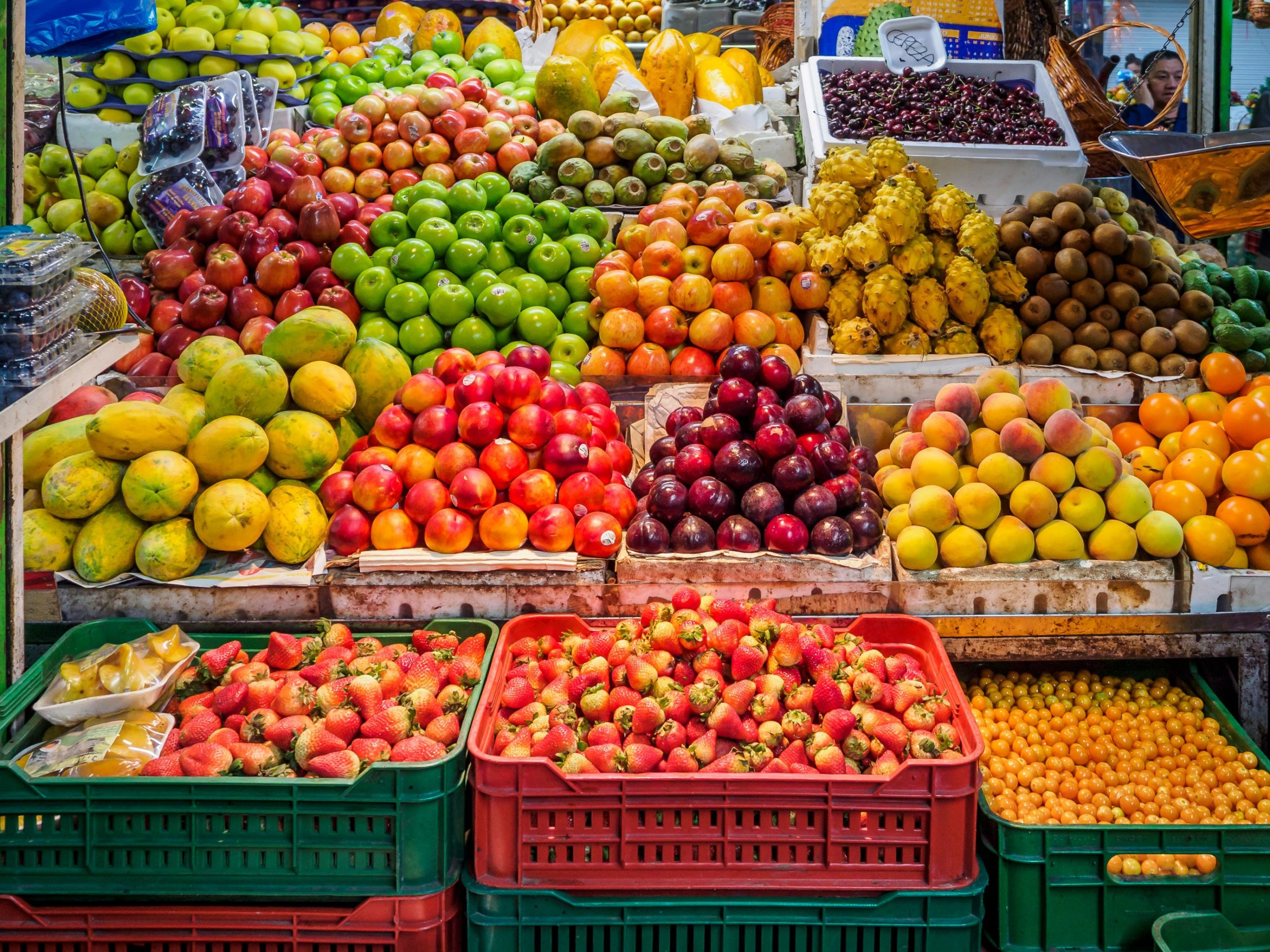
Good field NIR data collection starts long before the first scan. In orchards, vineyards, and packing operations, the difference between useful data and noisy data usually comes down to sampling discipline, repeatable technique, and the right instrument setup. That is why field teams using handheld NIR tools need a process that matches the chemistry of… Continue reading…
Myth: Ripening Control Is Just About Ethylene

Myth Ripening Control Is Just About Ethylene

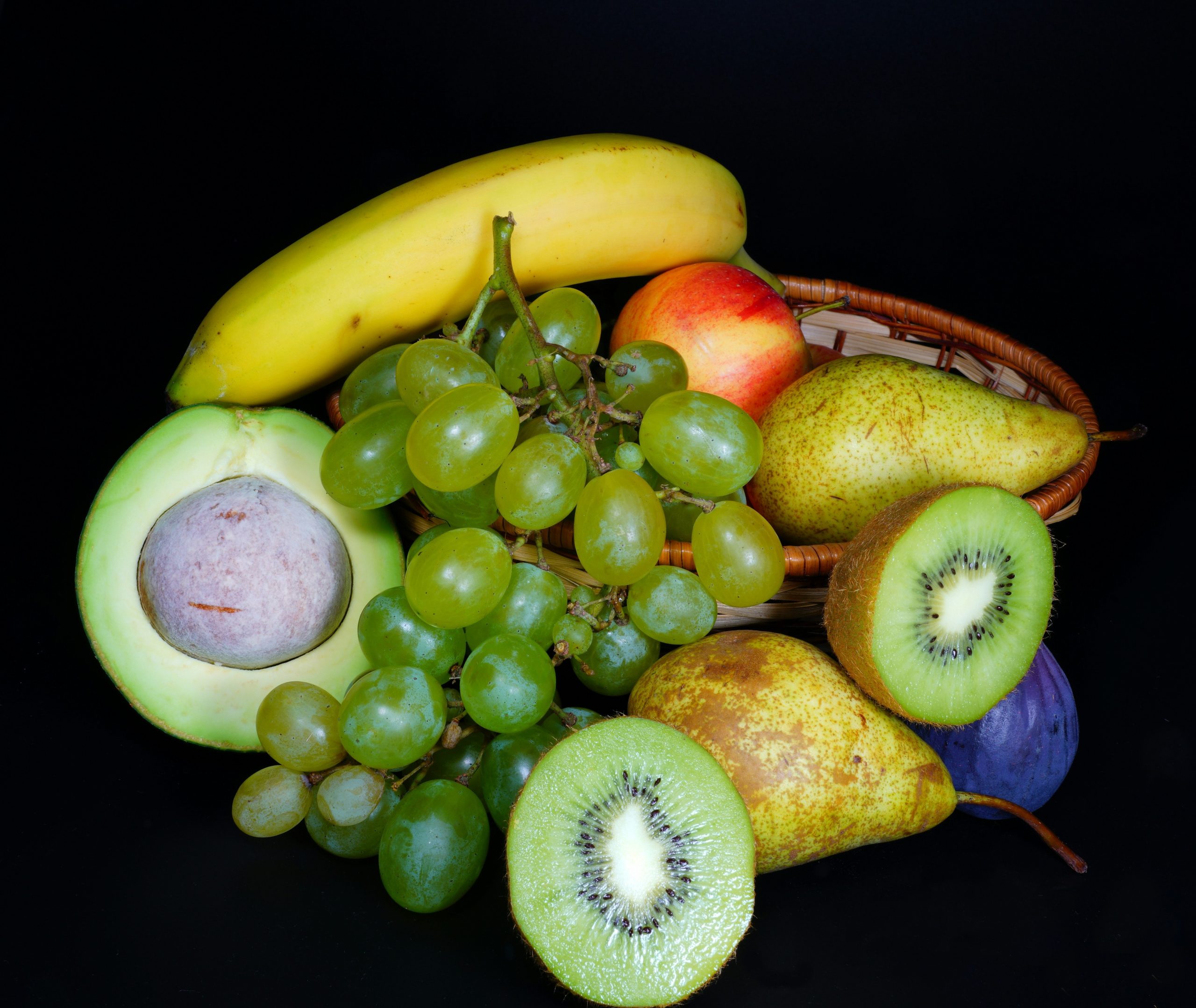
Ripening control is often reduced to a single variable: ethylene. In reality, effective ripening control depends on a coordinated understanding of ethylene, oxygen, carbon dioxide, temperature, and commodity-specific physiology. Focusing on only one gas oversimplifies postharvest management and leaves room for quality loss, uneven ripening, and reduced shelf life. For growers, packers, storage operators, and… Continue reading…

Truth About Fruit Firmness Predictions Using NIR

Truth About Fruit Firmness Predictions Using NIR

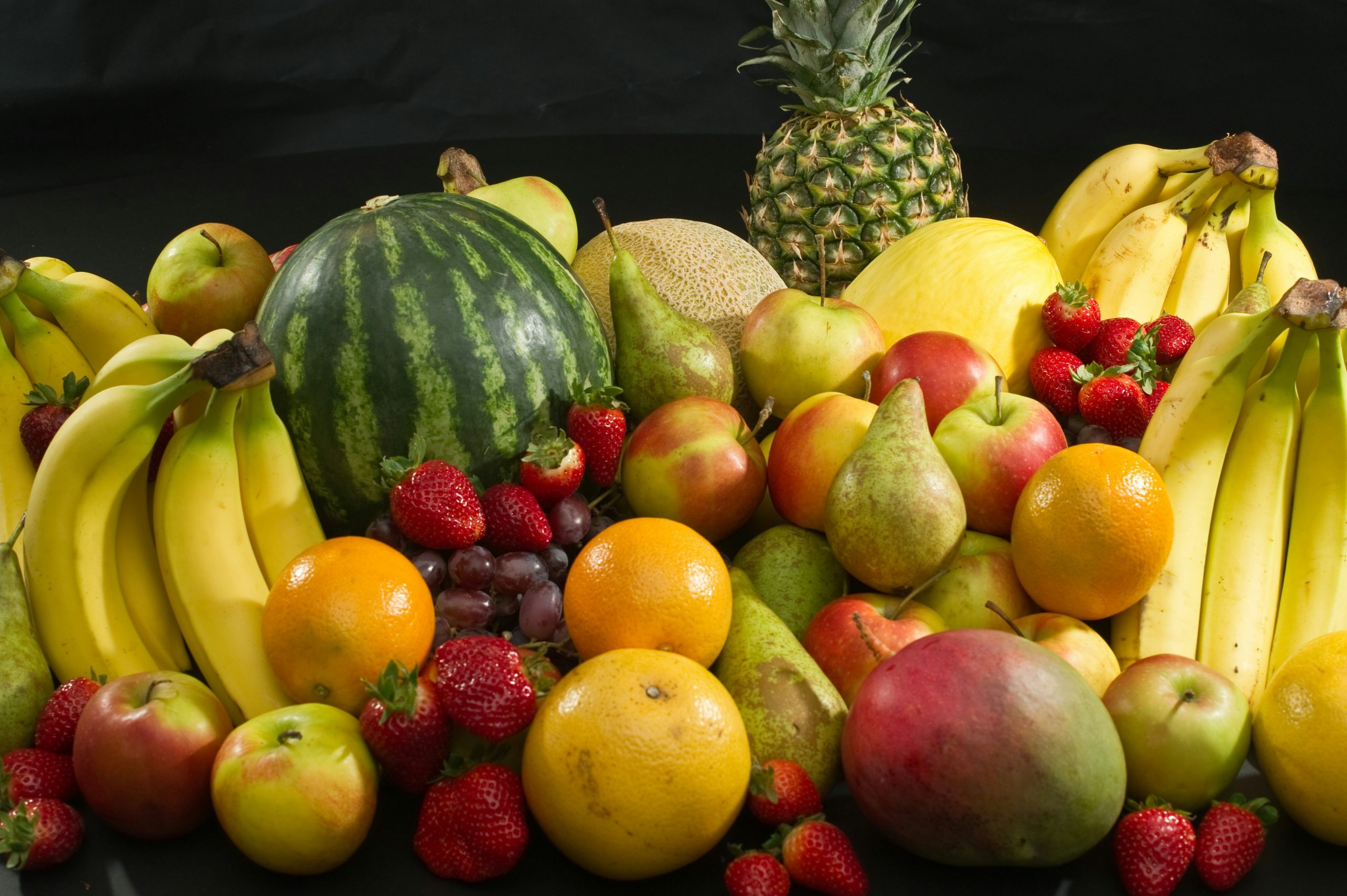
Fruit firmness predictions using NIR have become a widely discussed topic in postharvest research and commercial fruit handling. Growers, packers, and quality managers want reliable ways to estimate internal firmness without cutting fruit open. Near Infrared Spectroscopy (NIR) offers a practical approach to do exactly that. Instead of destructive testing, NIR allows operators to scan… Continue reading…

10 Fruits Commonly Tested with the F-750

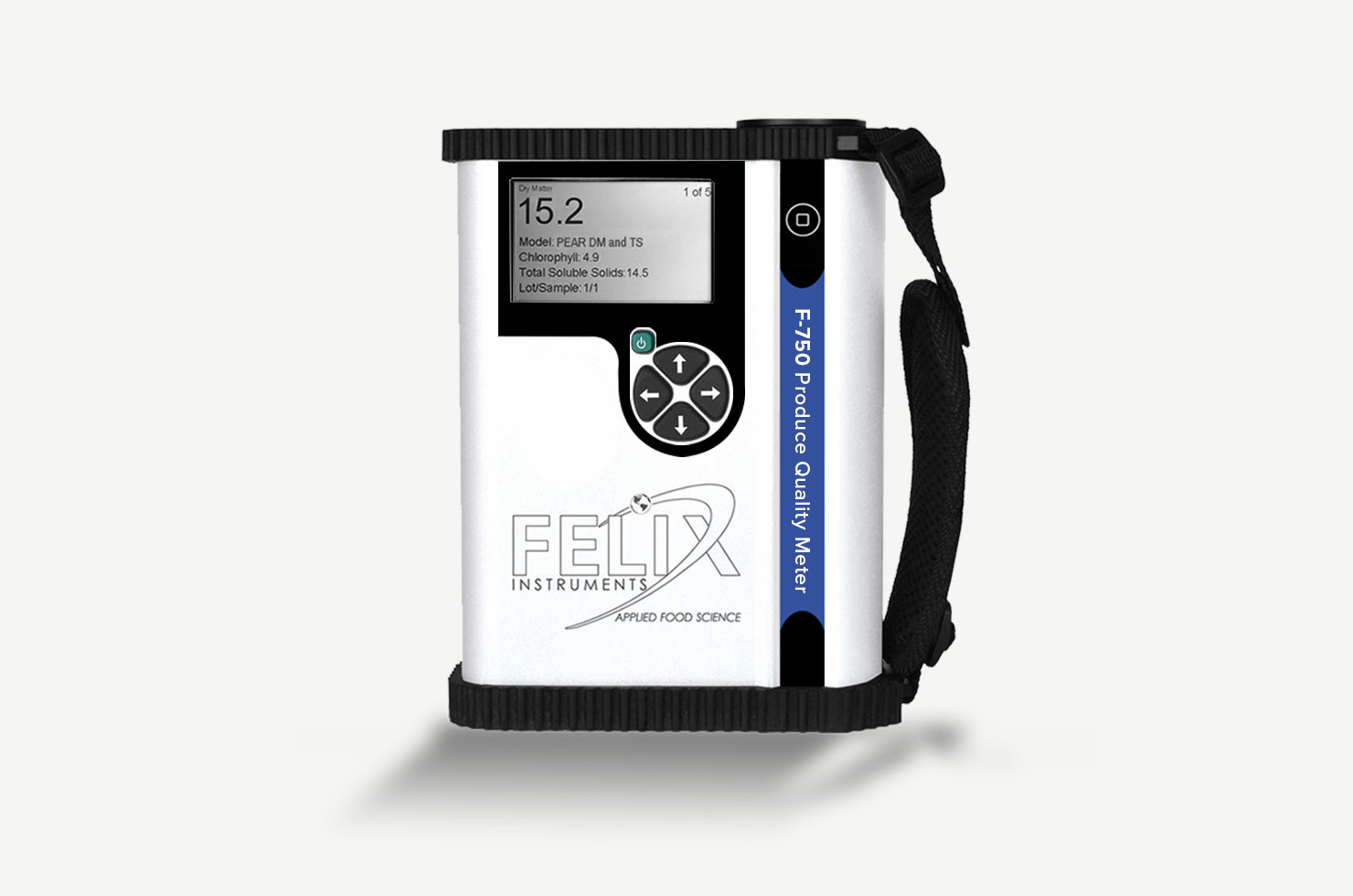
F-750 Produce Quality Meter

Quality testing is a constant challenge in fresh produce operations. Growers, packers, and researchers need fast and reliable ways to measure internal fruit quality without destroying the product. The F-750 produce quality meter from Felix Instruments addresses that need by using near infrared spectroscopy to evaluate fruit maturity and internal attributes in seconds. Because the… Continue reading…