Truth About Portable Gas Sensors in Cold Storage: Condensation Isn’t Harmless

Truth About Portable Gas Sensors in Cold Storage Condensation Isn’t Harmless

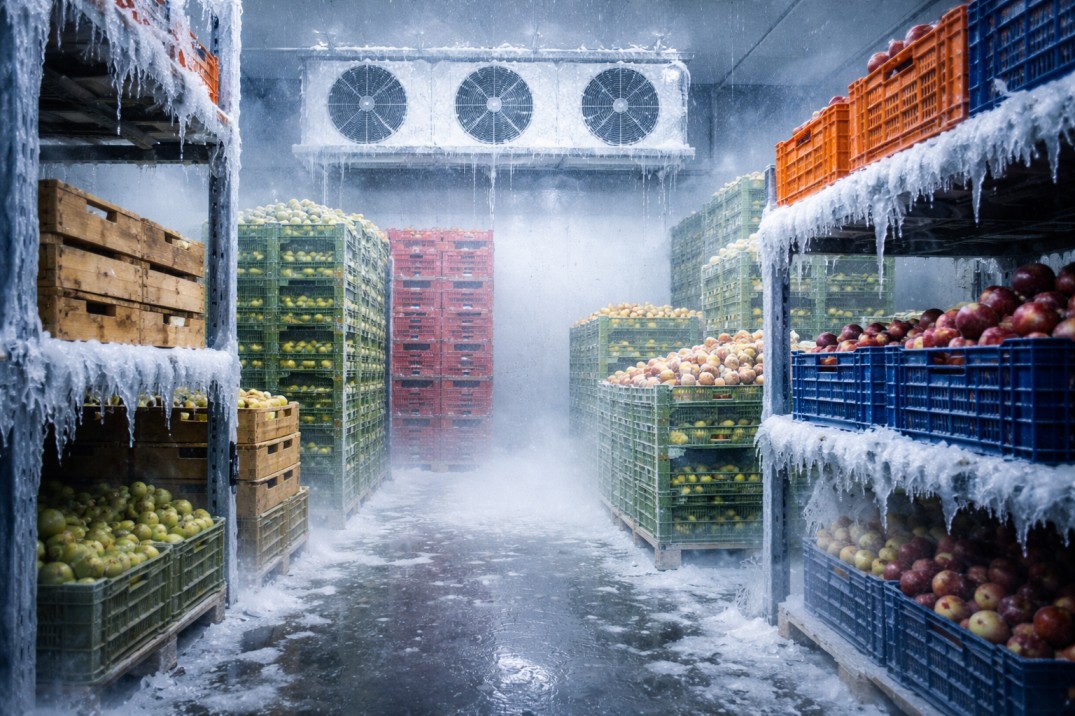
Cold storage environments are tough on equipment. Anyone who has worked in produce storage rooms, ripening facilities, or distribution centers knows that temperature swings and high humidity are part of the job. Portable gas sensors for cold storage are often treated as rugged tools that can handle it all. But there is one factor that… Continue reading…

Truth About Multi-Gas Monitors: When Extra Sensors Add Noise

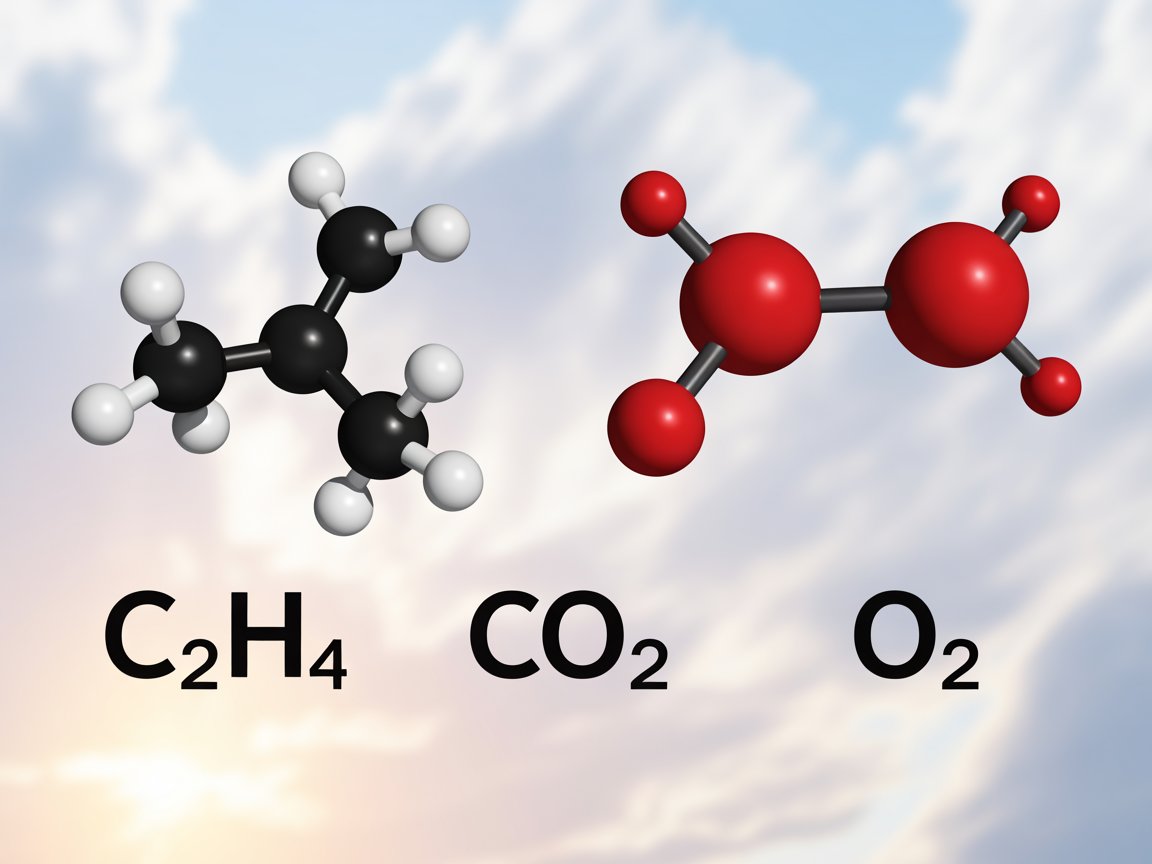
Ethylene, Carbon Dioxide, and Oxygen

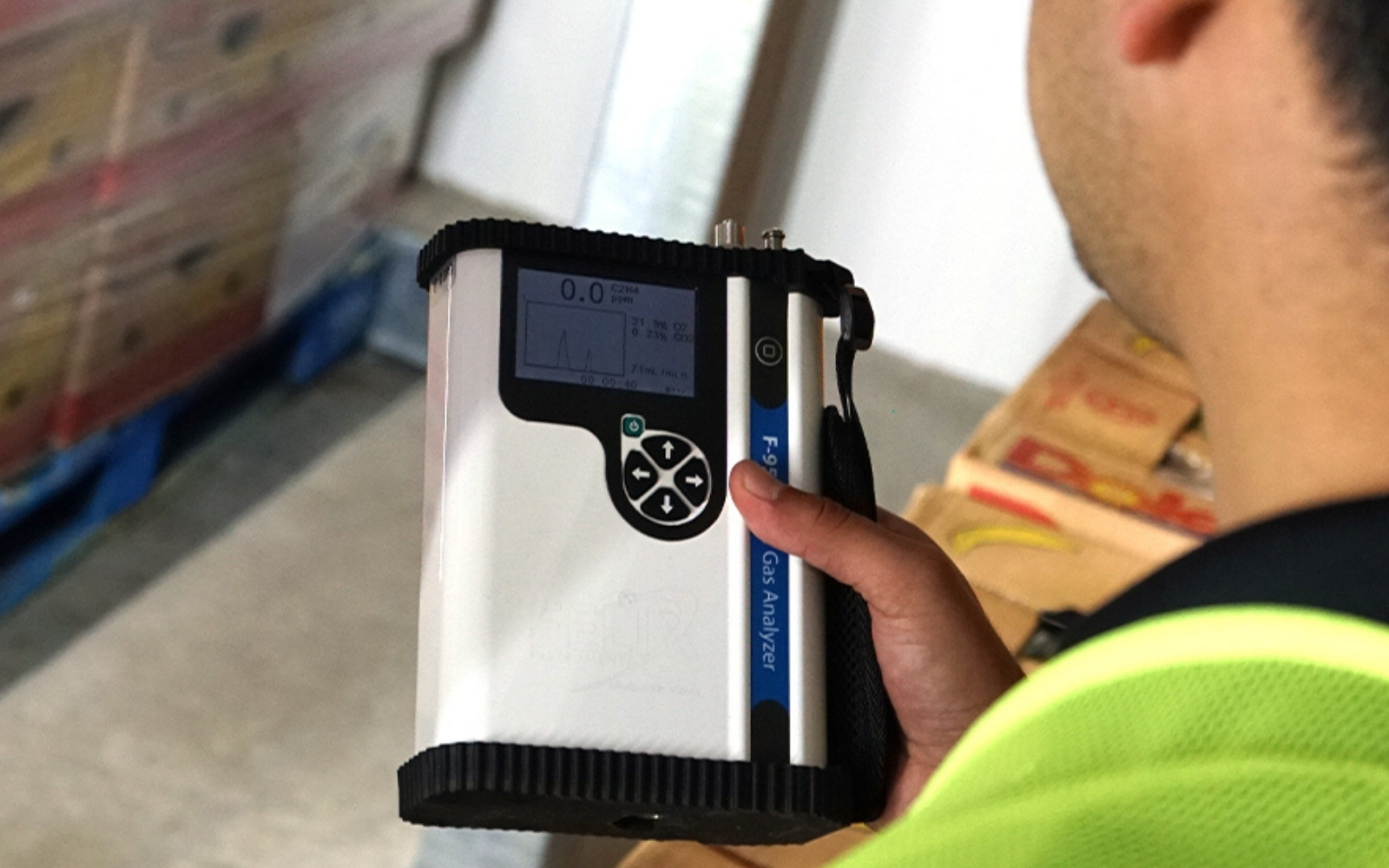
The conversation around multi-gas monitors often centers on one assumption: more sensors equal better data. In controlled atmosphere storage, ripening rooms, and produce research, that sounds reasonable. But in practice, multi-gas monitors can introduce complexity, cross-interference, and calibration drift that compromise accuracy. When extra sensors add noise instead of clarity, the result is slower decisions… Continue reading…

Myth: Ripening Control Is Just About Ethylene

Myth Ripening Control Is Just About Ethylene

Ripening control is often reduced to a single variable: ethylene. In reality, effective ripening control depends on a coordinated understanding of ethylene, oxygen, carbon dioxide, temperature, and commodity-specific physiology. Focusing on only one gas oversimplifies postharvest management and leaves room for quality loss, uneven ripening, and reduced shelf life. For growers, packers, storage operators, and… Continue reading…

Myth: Only Big Growers Benefit from Gas Monitoring Systems

A common misconception in postharvest management is that gas monitoring systems are only useful for large commercial growers with massive storage facilities. In reality, gas monitoring systems are just as valuable for small and mid sized growers who want to protect product quality, reduce waste, and gain more control over storage and ripening conditions. Gas… Continue reading…