Truth About Calibration: Why Factory Settings Aren’t Forever
Truth About Calibration Why Factory Settings Aren’t Forever

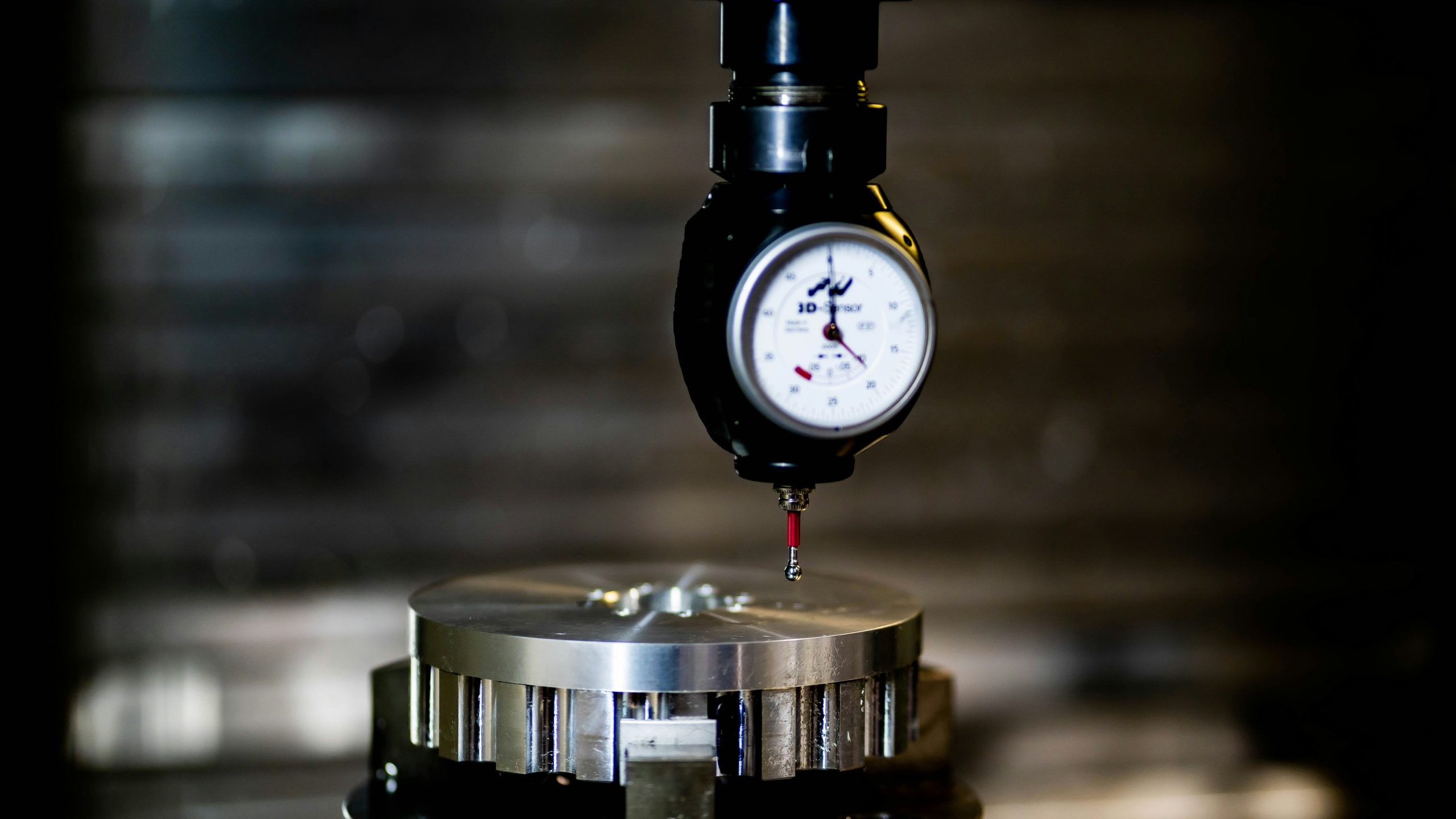
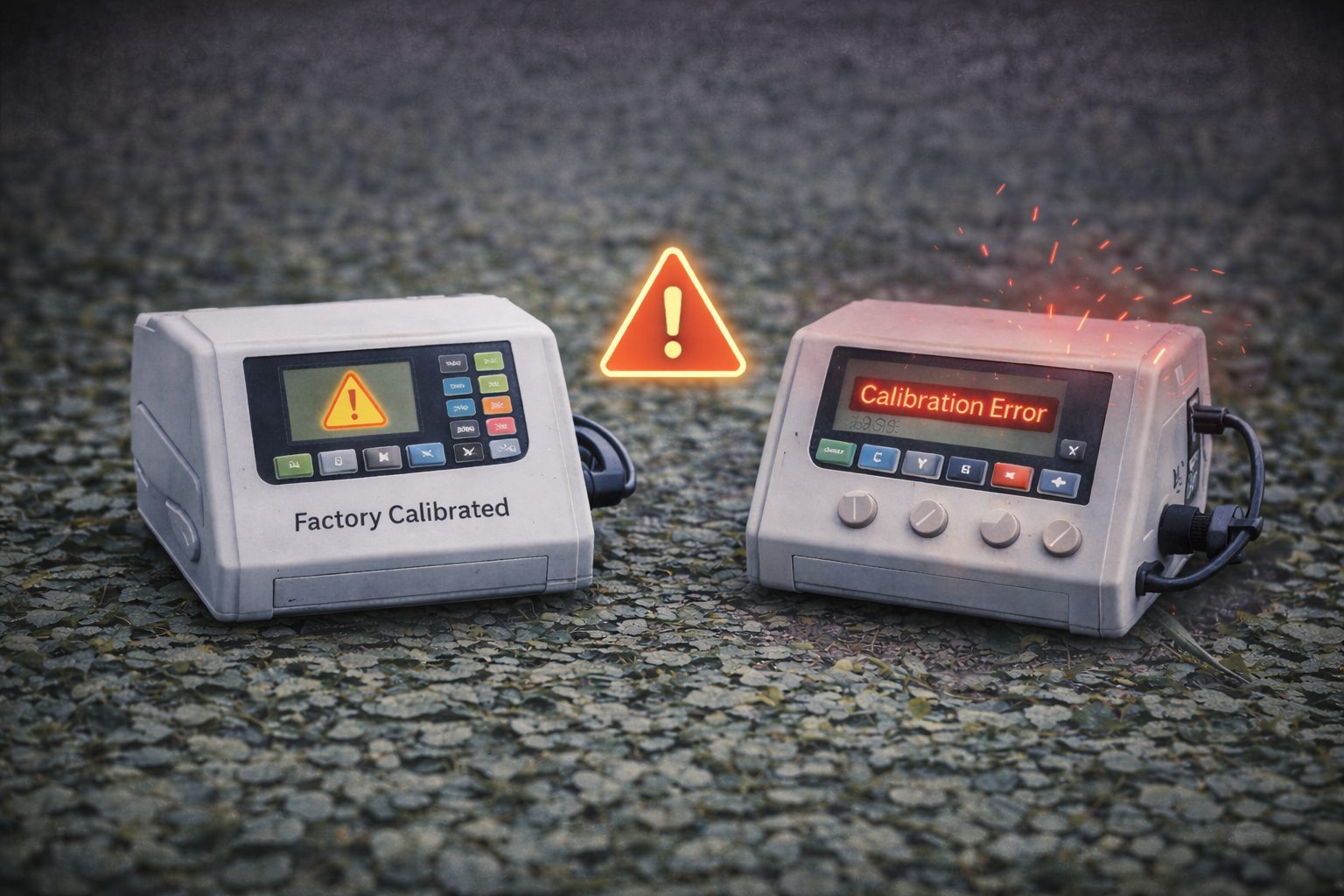
When you first power on a new instrument, it is easy to assume the factory settings will hold steady for years. In reality, gas analyzer calibration is not a one time event. It is an ongoing process that directly affects data integrity, storage decisions, and ultimately profitability. In postharvest environments where small shifts in oxygen,… Continue reading…
Truth About Portable Gas Sensors in Cold Storage: Condensation Isn’t Harmless

Truth About Portable Gas Sensors in Cold Storage Condensation Isn’t Harmless

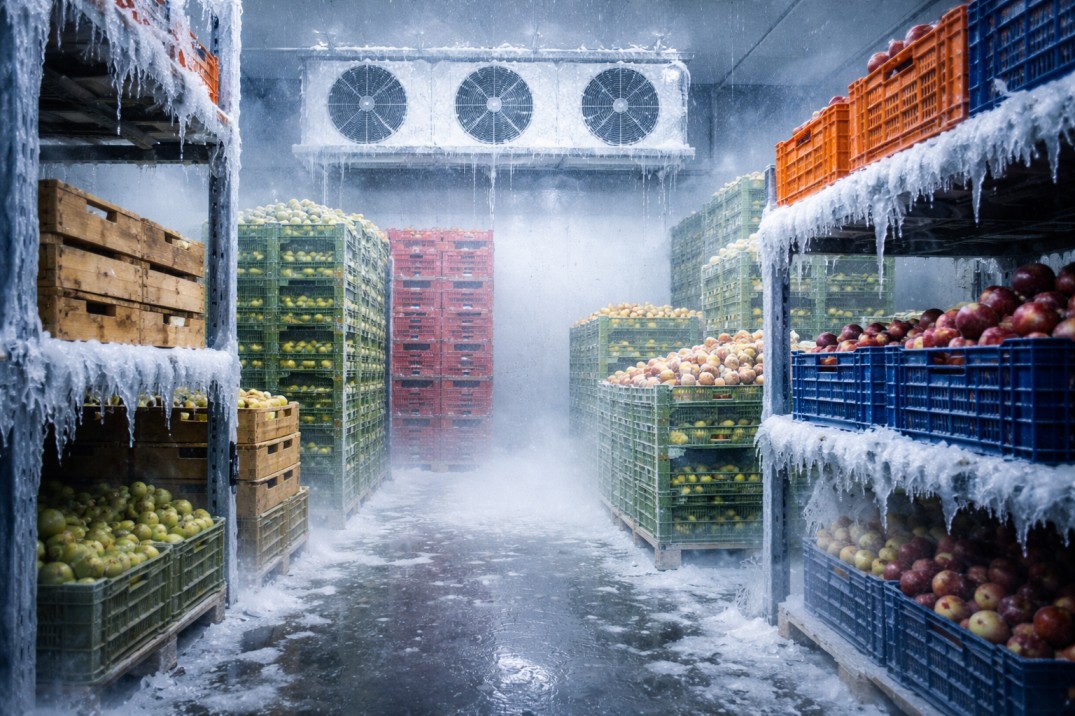
Cold storage environments are tough on equipment. Anyone who has worked in produce storage rooms, ripening facilities, or distribution centers knows that temperature swings and high humidity are part of the job. Portable gas sensors for cold storage are often treated as rugged tools that can handle it all. But there is one factor that… Continue reading…

Truth About Multi-Gas Monitors: When Extra Sensors Add Noise

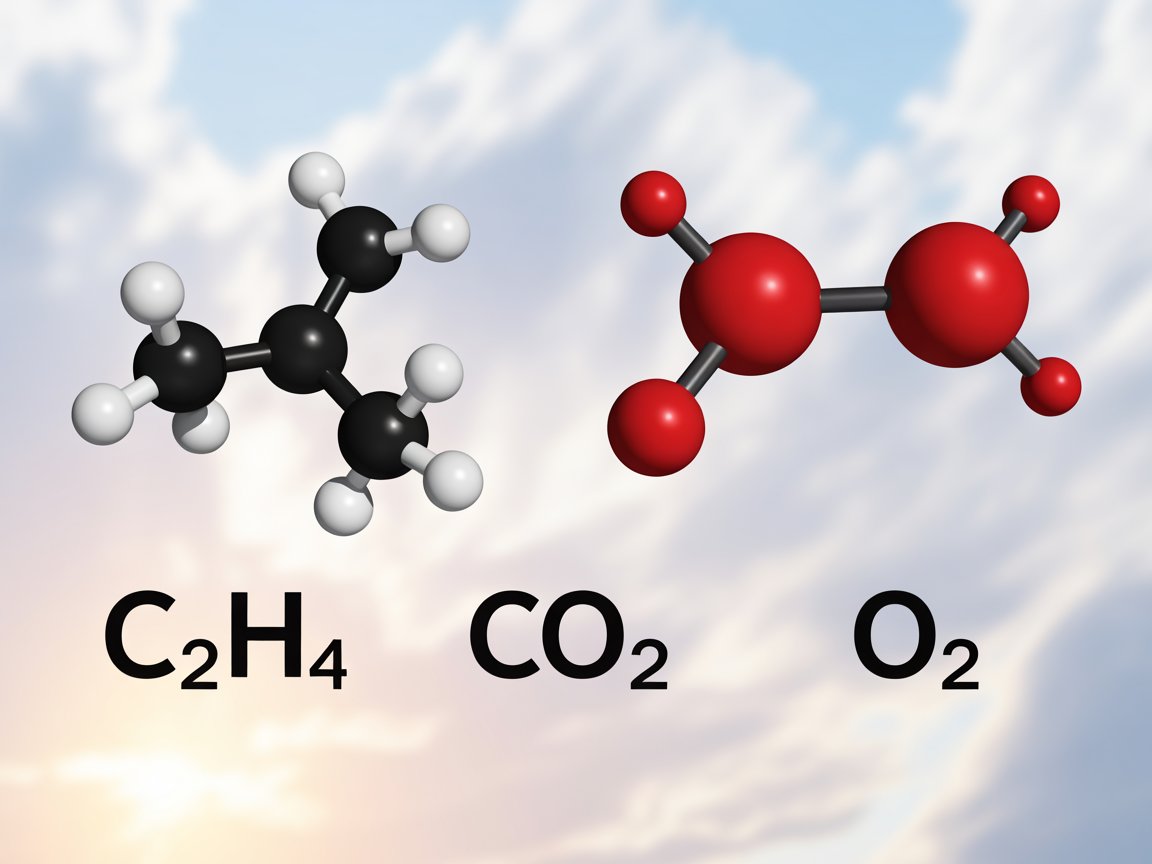
Ethylene, Carbon Dioxide, and Oxygen

The conversation around multi-gas monitors often centers on one assumption: more sensors equal better data. In controlled atmosphere storage, ripening rooms, and produce research, that sounds reasonable. But in practice, multi-gas monitors can introduce complexity, cross-interference, and calibration drift that compromise accuracy. When extra sensors add noise instead of clarity, the result is slower decisions… Continue reading…

Myth: Data Logging Is Optional—It’s Not if You Want Compliance

Myth Data Logging Is Optional—It’s Not if You Want Compliance

In food storage, ripening, and controlled atmosphere management, there is a persistent myth that data logging is optional. Teams often assume that if they can spot check gas levels with a handheld unit, that is enough. It is not. If you care about gas analyzer compliance, continuous and reliable data logging is part of the… Continue reading…

Myth: Ripening Control Is Just About Ethylene

Myth Ripening Control Is Just About Ethylene

Ripening control is often reduced to a single variable: ethylene. In reality, effective ripening control depends on a coordinated understanding of ethylene, oxygen, carbon dioxide, temperature, and commodity-specific physiology. Focusing on only one gas oversimplifies postharvest management and leaves room for quality loss, uneven ripening, and reduced shelf life. For growers, packers, storage operators, and… Continue reading…

Myth: Postharvest Gas Levels Don’t Change Overnight

Ethylene, Carbon Dioxide, and Oxygen

Postharvest gas analysis is often treated as a routine checkpoint rather than a continuous priority. A common myth in storage and ripening operations is that gas levels remain stable overnight. Many teams assume that once a room is set and verified at the end of the day, oxygen, carbon dioxide, and ethylene concentrations will hold… Continue reading…

Truth About ‘Zero Calibration’ Sensors: Why Manual Verification Still Matters

Truth About 'Zero Calibration' Sensors Why Manual Verification Still Matters

Zero calibration sensors are often marketed as a way to simplify gas detection and eliminate routine calibration steps. On paper, the promise is attractive. A sensor that automatically maintains its baseline without manual intervention sounds like a clear operational win. In practice, though, zero calibration sensors do not remove the need for manual verification. For… Continue reading…

Buyer’s Checklist: Ethylene Monitors for Ripening Rooms and CA Storage

Buyer’s Checklist Ethylene Monitors for Ripening Rooms and CA Storage

Choosing the right ethylene monitors for ripening rooms and CA storage is not just a purchasing decision. It directly affects fruit quality, shelf life, and operational consistency. Ethylene drives ripening, but unmanaged ethylene shortens storage windows and creates uneven results. A good ethylene monitor gives you visibility, confidence, and control. A poor one becomes another… Continue reading…

How to Choose the Right Gas Analyzer for Postharvest Facilities

How to Choose the Right Gas Analyzer for Postharvest Facilities

Choosing the right postharvest gas analyzer is one of the more practical decisions a postharvest facility makes. Gas composition drives respiration, ripening, and shelf life. Small differences in oxygen, carbon dioxide, or ethylene levels can separate fruit that ships well from fruit that arrives soft or off flavor. Because of that, the postharvest gas analyzer… Continue reading…

Choosing Between Multi-Gas and Single-Gas Instruments

Choosing Between Multi-Gas and Single-Gas Instruments

Selecting the right gas analysis tool often comes down to understanding how much information you really need and how you plan to use it. The debate around multi-gas vs single-gas instruments is common in postharvest handling, storage management, and produce research. Both approaches solve real problems, but they do so in different ways. This article… Continue reading…