Articles
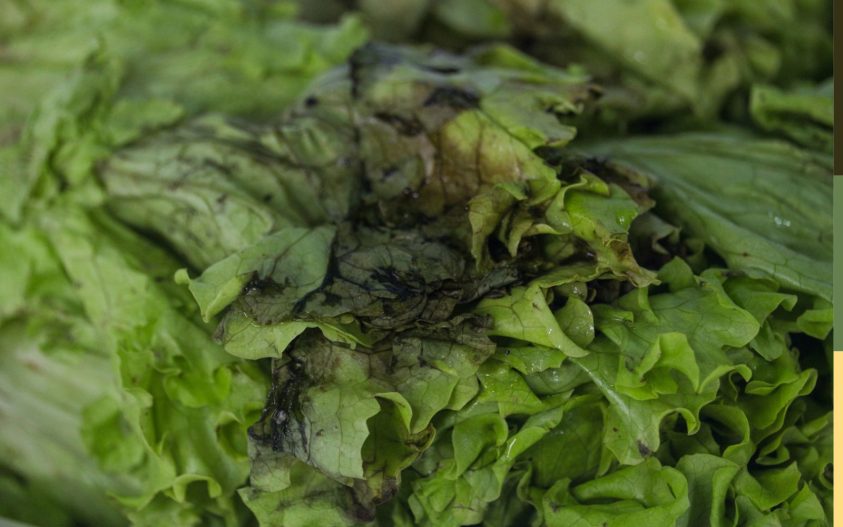
How Does Ethylene Cause Physiological Disorders in Fresh Produce?
Ethylene induces physiological disorders in fresh produce through exposure to high levels or a lack of the gas. Ethylene can also alleviate or aggravate physiological disorders caused by other stress factors, such as temperature and gas composition. Physiological disorders caused by ethylene result from exposure to exogenous sources, not endogenous production of the phytohormone. The… Continue reading…


Additional reading
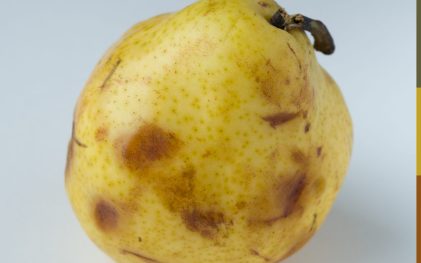
What is Fresh Produce Postharvest Physiological Disorder?
Physiological disorders are stress responses in fresh produce that cause cellular necrosis and can be expressed in many ways. Fresh produce susceptibility to physiological disorders varies by genotype and can result from one or more environmental factors. The causal factors of postharvest physiological disorder can be preharvest and/or postharvest conditions. Physiological disorders and pathological causes account… Continue reading…
How Accurate Are Gas Readings in Humid Environments?
Gas readings in humid environments can be highly accurate, but only when the analyzer, sampling method, and operating conditions match the job. In postharvest storage, modified atmosphere packaging, ripening rooms, and cold chain inspections, humidity is not a side issue. It is part of the atmosphere being measured. Water vapor can affect sensors, tubing, filters,… Continue reading…

What’s the Minimum Sample Size Needed for Reliable NIR Readings?
Reliable NIR readings start with a simple question: how many samples are enough? The honest answer is that there is no universal minimum that works for every crop, every lot, and every decision. A small, uniform lot may need fewer readings than a mixed lot coming from different orchards, harvest dates, sizes, or maturity stages.… Continue reading…

Can I Monitor Ethylene and CO₂ Simultaneously with One Device?
Yes. Ethylene and CO₂ monitoring can be handled with one device when the analyzer is built for multi-gas measurement rather than single-gas spot checks. For postharvest teams, that matters because ethylene rarely tells the whole story by itself. A room, package, bin, container, or ripening system can look acceptable from an ethylene reading alone, while… Continue reading…
How Do the F-750 and F-751 Correlate with Refractometer Brix Measurements?
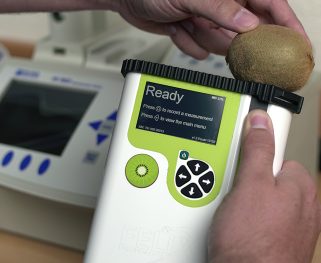
Refractometer Brix measurements are still one of the most familiar ways to check soluble solids in fruit. They are simple, accepted, and useful. But they are also destructive, slow when sample numbers get large, and limited to the fruit that gets cut or juiced. Felix Instruments’ F-750 Produce Quality Meter and F-751 Quality Meter series… Continue reading…
Why Are My Readings Drifting During Long Storage Studies?
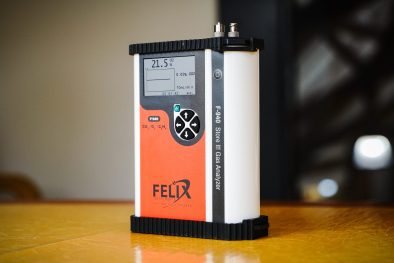
Gas analyzer drift is one of those problems that rarely shows up during a quick spot check, but it can become obvious during a long storage study. A reading that looked stable on day one may slowly move away from the expected trend after days or weeks of monitoring. In postharvest research, controlled atmosphere storage,… Continue reading…