What Is Postharvest Physiology and Why Does It Matter for Fresh Produce Quality?

Dr. Vijayalaxmi Kinhal

May 6, 2026 at 4:46 pm | Updated May 6, 2026 at 4:48 pm | 10 min read
- The crucial postharvest physiological processes that lead to deterioration in the quality of fresh produce include respiration, transpiration, ethylene production, and enzymatic activity.
- Temperature, air gas composition, relative humidity, and handling are common factors that can be controlled to slow these physiological processes.
- Maintaining and controlling the environment is essential to preserving quality and shelf life.
After harvest, the quality of highly perishable fresh produce begins to deteriorate due to various physiological processes. Knowledge of these processes is critical for controlling and mitigating postharvest quality decline and for extending shelf life. This article discusses the major physiological processes and their complex interactions that affect the quality of fresh produce.
Postharvest Physiology
Postharvest physiology is the branch of science that studies plant tissue after the produce is plucked and deprived of nutrients from the sap. Fresh produce continues to live after harvest, so many physiological processes persist. Ongoing physiological processes can affect color, size, texture, flavor, nutrient content, and shelf life. These changes occur because the fresh produce is no longer supplied with nutrients, photosynthates, and water by sap from the parent plants.
Some of the major physiological processes that continue in fresh produce after separation from the parent plant are respiration, transpiration, ethylene production, and enzymatic activities. Harvested fresh produce also loses its ability to resist abiotic and biotic stresses that can lead to spoilage.
Subscribe to receive our monthly round-up of articles.
These physiological processes are influenced by temperature, moisture loss, light, gaseous environments, pathogens, and mechanical handling. Understanding the effects of these circumstances and determining the ideal conditions enables stakeholders to optimize their management and reduce losses. Postharvest management and the ability to provide the right conditions explain differences in food losses across the world. Richer, more developed countries with sophisticated supply chains have reduced their fresh produce losses to 10% of total yield, while developing countries with fewer storage facilities experience 50% losses.
The major factors responsible for the degradation of fruit and vegetable quality, respiration, transpiration, ethylene production, and enzymatic activities are discussed below.
Respiration
Fresh produce respires, and this process is necessary to supply tissues with energy. In the presence of adequate oxygen (O2), aerobic respiration occurs. During aerobic respiration, carbohydrates (glucose) are metabolized in the presence of oxygen to produce energy in the form of adenosine triphosphate (ATP), heat, carbon dioxide (CO2), and water.
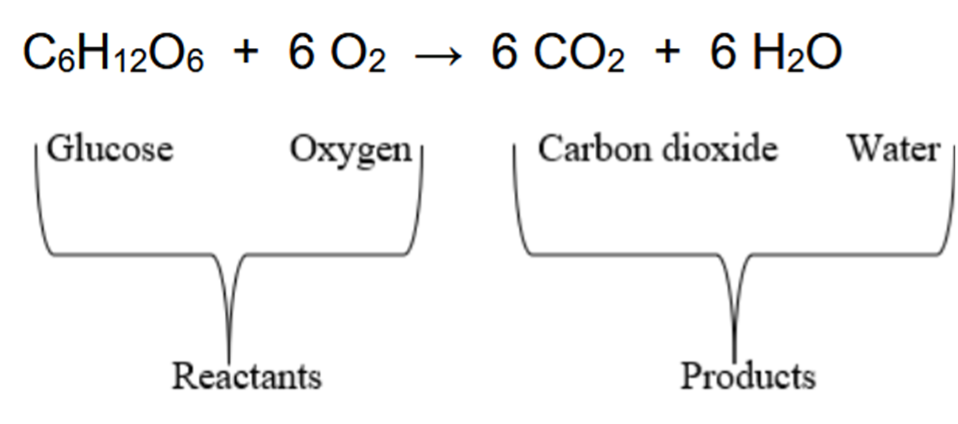
Figure 1: The chemical process during respiration, Umeohia and Olapade, 2024. (Credits: DOI: 10.9734/AFSJ/2024/v23i4706)
The amounts of oxygen and carbon dioxide involved are equal in complete respiration, as shown in Figure 1. The proportions of O2 and CO2 involved are represented by the Respiratory Quotient (RQ) and vary with the substrate, and are as follows:
Respiratory Quotient (RQ) = (Carbon dioxide Produced)/ (Oxygen Consumed)
For respiration involving glucose, the RQ is 1. In the absence of O2, aerobic respiration changes to anaerobic respiration, but CO2 continues to be generated. This change is reflected in a shift in RQ. When O2 concentration is zero, the RQ is equal to infinity.
Respiration has both positive and negative effects on quality.
Positive fruit quality development: In fruits, respiration is necessary for ripening and the development of quality, even in the postharvest stages. Respiration provides the carbon-skeleton intermediates for the production of enzymes, biocompounds, and pigments necessary for flavor and color development, respectively. It also softens the tissues during ripening.
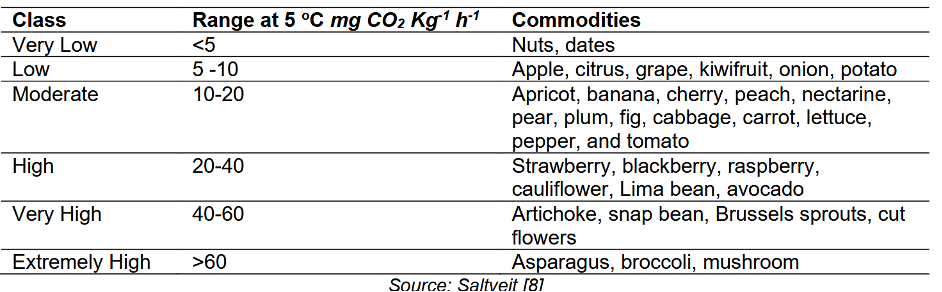
Negative effects: Shelf-life is inversely related to the respiration rate in all fruits and vegetables. If the aerobic respiration rate is too high and more carbohydrates, including sugars, are consumed, this can lead to weight and texture loss, degrade quality, and reduce shelf life. The respiration rate differs among various fresh produce, as shown in Table 1.
Another challenge associated with respiration is the potential for anaerobic respiration, which leads to fermentation and ultimately produces ethanol and lactic acid, both toxic to cells and capable of causing cell death, off-flavors, and quality loss. The critical point at which anaerobic respiration is triggered is species-specific. For most fruits, the critical O2 levels are 1-3%, while for some vegetables, such as sweet potato, they are higher, at 5-7%. It is therefore necessary to prevent the onset of anaerobic respiration.
Using the RQ, it is possible to experimentally determine the exact point at which aerobic respiration shifts to anaerobic respiration for each fruit and vegetable, which is useful for determining storage conditions.
Table 1: “Respiration rates of some fresh agricultural produce,” Umeohia and Olapade, 2024. (Credits: DOI: 10.9734/AFSJ/2024/v23i4706)
The factors that increase the respiration rate in the postharvest stages are
- Higher temperatures
- Air composition with higher O2 levels
- Physical, radiation, and chemical stresses
- Pathogen attacks
Precooling, packaging in Modified Atmosphere Packaging, and cold storage in controlled atmospheres can reduce respiration rates and improve the quality and shelf-life of fresh produce.
Transpiration
Fresh produce transpiration is the loss of water vapor from the intercellular spaces in tissues into the air by diffusion, and is one of the factors that negatively affect quality. It occurs preharvest, when plants can lose 97-99.5% of the water absorbed through their roots, but fruits and vegetable parts are replenished by sap, so there is no adverse effect. However, the process continues after separation from the parent plant, even when the water supply is unavailable.
In leafy vegetables, postharvest deterioration occurs through the stomata on the leaves. In stems, roots, flowers, and fruits, transpiration occurs through the skin, fruit hairs, and lenticels. Transpiration also occurs through the stem scar, where the fruit is detached from the plant.
The moisture content of fresh produce ranges from 80-95%, and the amount lost to postharvest transpiration depends on the species. Transpiration causes water stress, cellular membrane disintegration, and solute leakage.
Transpiration results in softness, wilting, and shriveling; loss of weight, skin glossiness, and flavor; and reduced firmness and shelf life. Lower transpiration effects begin with reduced weight before they affect quality, but they can still reduce profits. A loss of 3-10% of water content results in loss of freshness.
Intrinsic factors and characteristics of the fresh produce that influence increased transpiration rate are:
- Type of fresh produce: Leafy vegetables lose the most water compared to fruits or root vegetables.
- Respiration rate: A higher respiration rate increases transpiration. Respiration produces more heat and water, and it determines the transpiration rate. Water is retained in fresh produce, but heat is lost through transpiration and by direct heat transfer. Higher temperatures increase the vapor pressure difference between fresh produce and the air, resulting in greater transpiration.
- Geometry: Any factor that increases surface area boosts transpiration. So, smaller fruits, long fruits, and those with more hairs, cracks, and scars, which have a larger surface area-to-volume ratio, have a higher rate of transpiration. While round-shaped fresh produce has a lower transpiration rate.
- Skin properties: The thickness of the skin and the presence of additional plant parts, such as calyx, leaves, and stems, will increase the transpiration rate.
- Maturity and ripening: Fruits have a higher transpiration rate during the early phases of ripening, which then declines and remains consistent after the fruits are ripe. The type of ripening is also crucial: non-climacteric fruits are more susceptible to relative humidity than temperature.
The external factors that increase the transpiration rate are
- Dry air or higher atmospheric water vapor deficit (VPD)
- Higher temperature
- Prolonged exposure to light
- Excessive and faster air movement
Transpiration can be controlled by regulating the VPD, maintaining darkness, lowering temperatures, and increasing air movement and relative humidity during storage and transport. Surface coatings and proper choice of packaging materials can also restrict water vapor loss.
Ethylene Production
Ethylene is a phytohormone produced by growing plants and by fresh produce after harvest. The gas is called the ripening hormone, and it is used in postharvest supply chains to ripen climacteric fruits and degreen citrus fruits. One of the properties that makes it a challenge in fresh supply chains is its ability to undergo autocatalytic endogenous production when exposed to external ethylene. Therefore, it is one of the gases monitored diligently in storage and packaging because even trace amounts of 0.1 μL L-1 or higher can increase respiration rate, ripening, senescence, and susceptibility to disease, reducing quality and shelf life.
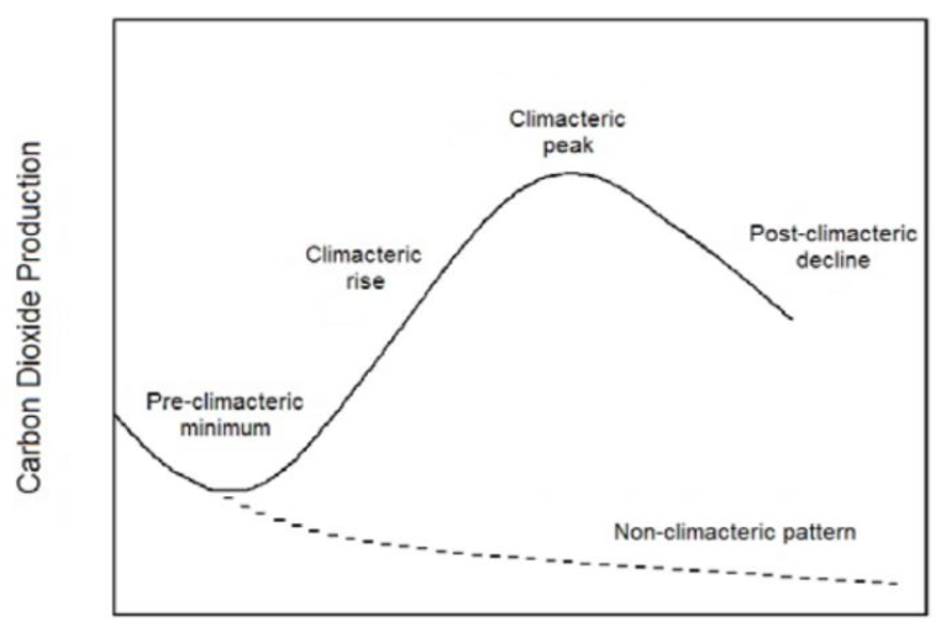
Figure. 2.: The pattern of respiration during different ripening methods in climacteric and non-climacteric fruits, Umeohia and Olapade, 2024. (Credits: DOI: 10.9734/AFSJ/2024/v23i4706)
Ethylene can be found at storage and transport stages due to natural endogenous production, wounding, and chilling injury, as well as external anthropogenic sources, such as machines that rely on fossil fuel combustion or cigarette smoke. Some of the deleterious effects of ethylene are as follows:
- Increases respiration: Ethylene production and its effects increase respiration rate in fresh produce, leading to negative effects such as reduced quality and shelf life. In vegetables, respiration is highest in the early immature stages and decreases with age. Similarly, non-climactic fruits exhibit a decrease in respiration rate over their lifespans; see Figure 2. However, exposure to exogenous ethylene increases respiration rates and accelerates senescence in vegetables and non-climacteric fruits. The rate of respiration and senescence reduces when ethylene is removed. In contrast, climacteric fruits exhibit higher respiration rates after maturity, which decline during ripening and senescence; see Figure 2. Exposure to external ethylene will produce similar effects in climacteric fruits.
- Unintentional ripening: Climacteric fruits exposed to external ethylene during storage will ripen earlier than planned, followed by senescence that reduces quality and shelf life.
- Causes sprouting: Exogenous ethylene can cause sprouting in root vegetables such as potatoes.
- Hastens senescence: Senescence is the final stage of plant and fruit development, and can also be a response to stress. Several climacteric and non-climacteric fruits and vegetables exposed to ethylene during postharvest stages will undergo premature senescence, causing loss of firmness, flavor, and taste; overripening of fruits; loss of chlorophyll or yellowing; browning; deterioration of cellular structures; necrosis; and increased susceptibility to pathogens.
- Higher pathogen activity: Ethylene-induced ripening and senescence make fresh produce susceptible to bacteria and fungi. Climacteric fruits are more susceptible to this effect than non-climacteric fruits due to endogenous production of ethylene.
The effects of ethylene depend on:
- Ethylene concentration and exposure duration
- Ambient temperature
- Fruit maturity stage
- Species and cultivars of fresh produce
Ethylene effects can be controlled by using low temperatures and by monitoring its levels in the air with fixed and portable gas analyzers.
Enzymatic Activities
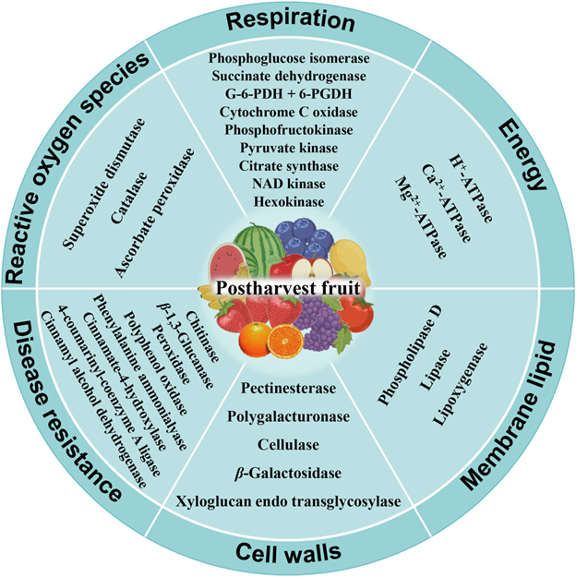
Figure 3: “The enzymes related to major physiological processes of postharvest fruit,” Li et al. 2024. (Image credits: DOI: 10.1002/fpf2.12021)
Several enzymes are active during postharvest stages and can exert specific positive, negative, or both effects; see Figure 3.
Enzymes play a critical role in protecting fresh produce from external stress, generating energy, conferring disease resistance, and scavenging reactive oxygen species (ROS).
- Energy production: Postharvest respiration is vital for supplying energy to several essential physiological processes in fresh produce, without which quality can degrade. Respiration processes like the tricarboxylic acid cycle, the Embden-Meyerhof-Parnas pathway, and the cytochrome pathway are essential for postharvest fruit development. Lower activity in these pathways results in less ATP (energy). Insufficient energy can limit crucial activities, such as membrane repair, due to ROS accumulation, which accelerates softening and reduces membrane activity and efficiency.
- Disease resistance: Crucial biosynthetic pathways, such as the phenylpropanoid pathway, produce plant secondary metabolites, including flavonoids, lignin, and phenols, which affect fruit function and contribute to resistance to pathogens.
- ROS scavengers: Abiotic stresses, such as mechanical damage or cold, can lead to ROS production. Several enzymes are involved in reducing ROS and mitigating their toxic effects, thereby determining fresh produce’s ability to withstand stress. These enzymes are superoxide dismutase (SOD), catalase (CAT), ascorbate peroxidase (APX), polyphenol oxidase (PPO), and peroxidase (POD).
However, enzymes also have negative effects, as they are involved in respiration, ripening, senescence, and membrane lipid degradation, so understanding their production helps delay the processes that cause decay.
- Ripening and quality: Enzymes are involved in ripening, color, and taste development, as well as antioxidant activities. Sugar-metabolizing enzymes, such as amylases and invertases, hydrolyze postharvest starch into simple sugars, thereby regulating sweetness and taste. While these effects are desirable during planned ripening, they can degrade quality due to unintentional ripening and senescence. Also, many of them cause flesh browning, bitterness, and astringency in fruits, reducing their shelf life. For example, phenolic compounds such as POD and PPO are involved in textural softening, ripening, and senescence, leading to a loss of color, taste, flavor, and nutritional value in apples.
- Degrading enzymes: Many degrading enzymes, such as pectin methyl esterase (PME), polygalacturonase (PG), and cellulases, present in climacteric fresh produce, act on cell wall polysaccharides, altering their composition and structural integrity.
As a result of their combined effects on biochemical reactions during postharvest stages, enzymes can alter color, texture, flavor, and soluble sugar content. While some are beneficial, most are detrimental and need to be controlled, as they can hasten unintended ripening and senescence, thereby reducing shelf life.
The factors that control enzyme activity rates in postharvest fresh produce are low temperature and low oxygen in the air, which reduce softening and metabolic enzyme activities.
Controlling Predominant Causes
The common underlying environmental factors that influence the four crucial physiological processes are temperature, relative humidity, and gas composition. These factors can be continuously monitored using fixed devices in storage and transport facilities to maintain ideal conditions for fresh produce. The exact combination can vary by species, and these parameters are well-researched and established. Felix Instruments Applied Food Science offers the F910 AccuStore, which continuously monitors air temperature, relative humidity, O2, CO2, and ethylene levels. The company also offers six gas analyzers customized for various tasks and stages of the fresh produce supply chain:
- F-900 Portable Ethylene Analyzer to control ethylene in controlled atmosphere environments
- F-900 Portable Analyzer for postharvest research and other uses
- F-920 Check It! Gas Analyzer for headspace and MAP analysis
- F-940 Gas Analyzer for Monitoring Shipping Containers
- F-950 Gas Analyzer for ripening rooms, cold storage, and packing environments
- F-960 Gas Analyzer for Modified Atmosphere Packaging Validation
These tools can help stakeholders slow down undesirable physiological processes, thereby maintaining the quality and shelf life of fresh produce.
Contact us for more information about Felix Instruments Applied Science tools to meet your needs.
Sources
Kou, X., & Wu, M. (2018). Characterization of Climacteric and Non-Climacteric Fruit Ripening. Methods in molecular biology (Clifton, N.J.), 1744, 89–102. https://doi.org/10.1007/978-1-4939-7672-0_7
Li, C., Yu, W., & Liao, W. (2022). Role of Nitric Oxide in Postharvest Senescence of Fruits. International Journal of Molecular Sciences, 23(17), 10046. https://doi.org/10.3390/ijms231710046.
Li, S., Zheng, Y., Li, M., Zeng, L., Sang, Y., Liu, Q., Zhang, H., Lin, H., & Fan, Z. (2024). Quantitative analyses of major enzyme activities in postharvest fruit. Future Postharvest and Food, 1(2), 213–221. https://doi.org/10.1002/fpf2.12021
Serra, S., Anthony, B., Boscolo Sesillo, F., Masia, A., & Musacchi, S. (2021). Determination of Post-Harvest Biochemical Composition, Enzymatic Activities, and Oxidative Browning in 14 Apple Cultivars. Foods, 10(1), 186. https://doi.org/10.3390/foods10010186
Umeohia, U. E., & Olapade, A. A. (2024). Physiological Processes Affecting Postharvest Quality of Fresh Fruits and Vegetables. Asian Food Science Journal, 23(4), 1–14. https://doi.org/10.9734/afsj/2024/v23i4706
Wu, J., Lu, L., Meng, Z., Qin, Y., Guo, L., Ran, M., Peng, P., Tang, Y., Huang, G., Li, W., & Li, L. (2025). Advancements on the Mechanism of Soluble Sugar Metabolism in Fruits. Horticulturae, 11(9), 1001. https://doi.org/10.3390/horticulturae11091001
Related Products
Most Popular Articles
- Spectrophotometry in 2023
- NIR Applications in Agriculture – Everything…
- The Importance of Food Quality Testing
- The 5 Most Important Parameters in Produce Quality Control
- Melon Fruit: Quality, Production & Physiology
- Fruit Respiration Impact on Fruit Quality
- Guide to Fresh Fruit Quality Control
- Liquid Spectrophotometry & Food Industry Applications
- Ethylene (C2H4) – Ripening, Crops & Agriculture
- Understanding Chemometrics for NIR Spectroscopy