Key Questions to Ask Before Buying an Ethylene Analyzer

Scott Trimble

February 5, 2026 at 11:06 pm | Updated February 5, 2026 at 11:07 pm | 5 min read
An ethylene analyzer is no longer a niche tool reserved for research labs. It has become a practical instrument for growers, storage managers, ripening room operators, and quality teams who need better control over fruit maturity and shelf life.
As supply chains tighten and quality targets become less forgiving, choosing the right ethylene analyzer matters. Not all instruments are built for the same use case, and small differences in capability can have a big impact in the field.
Before investing in an ethylene analyzer, it helps to step back and ask a few key questions. These questions clarify how the instrument will actually be used and whether it will deliver reliable value over time.
Subscribe to the Felix instruments Weekly article series.
By submitting this form, you are consenting to receive marketing emails from: . You can revoke your consent to receive emails at any time by using the SafeUnsubscribe® link, found at the bottom of every email. Emails are serviced by Constant Contact
What Range of Ethylene Concentrations Do You Need to Measure?
Ethylene levels vary widely depending on the application. Some environments require detection at very low parts per billion levels, such as research trials or early ripening detection. Others focus on higher concentrations in ripening rooms or storage facilities.
When evaluating an ethylene analyzer, look closely at its detection range and resolution.
An instrument designed only for high concentrations may miss subtle changes that signal the start of ripening. On the other hand, ultra sensitive systems may be unnecessary if your work focuses on controlled ripening environments with predictable gas levels.
Matching the analyzer range to your real world needs helps avoid overpaying or underperforming.
Is Portability Important for Your Workflow?
Some ethylene analyzers are designed to stay in one place. Others are built to move easily between orchards, storage rooms, and shipping facilities.
Portability affects not only convenience but also how often the instrument gets used.
If your team needs to sample fruit in multiple locations, a handheld ethylene analyzer with an internal pump and battery power is often the better choice. Portable units allow spot checks without installing permanent infrastructure.
This flexibility can lead to better decision making because data is gathered more frequently and closer to the fruit itself.
If measurements happen in a single controlled space, a fixed system may be acceptable, but many operations benefit from portable options.
How Quickly Do You Need Results?
Time matters when dealing with ethylene.
Delayed data can mean missed windows for ventilation, cooling, or ripening adjustments. Some analyzers require long stabilization times or external sampling setups that slow down the process.
Ask how long it takes from sample intake to a stable reading. A fast response ethylene analyzer supports real time decisions, especially during harvest, storage inspections, or ripening room adjustments.
Instruments that provide results in seconds rather than minutes fit better into operational workflows.
Do You Need to Measure Gases Beyond Ethylene?
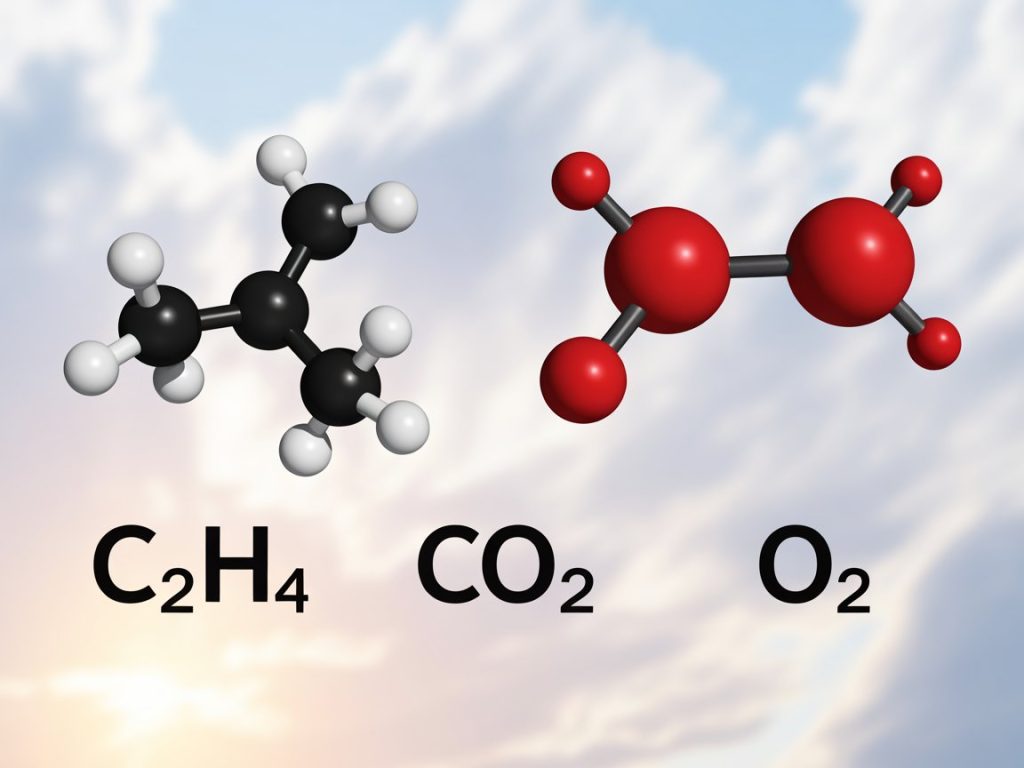
Ethylene rarely acts alone. Oxygen and carbon dioxide levels play a major role in fruit respiration, controlled atmosphere storage, and modified atmosphere packaging.
In many cases, understanding the full gas profile provides more actionable insight than ethylene alone.
Some analyzers combine ethylene measurement with O2 and CO2 sensing in a single device. This reduces the need for multiple instruments and simplifies training and maintenance. If your operation relies on controlled or modified atmospheres, a multi gas analyzer may offer better long term value.
How Easy Is Calibration and Maintenance?
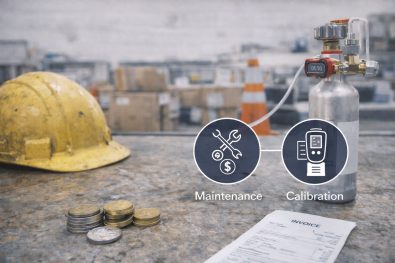
Accuracy depends on proper calibration. An ethylene analyzer that is difficult to calibrate or requires frequent service may spend more time on the shelf than in use.
Look for instruments with straightforward calibration procedures, stable sensors, and clear maintenance guidelines. Ask whether calibration gases are readily available and how often calibration is required under normal use.
A well designed analyzer should balance precision with practicality, especially for field based teams.
Is the Analyzer Robust Enough for Your Environment?
Field conditions are rarely gentle. Dust, humidity, temperature swings, and rough handling are common realities in agriculture and postharvest operations.
An ethylene analyzer should be built with these conditions in mind. Consider housing durability, sensor protection, and operating temperature range. Instruments designed specifically for produce environments tend to hold up better than general purpose gas detectors.
Durability directly affects long term cost of ownership, not just initial purchase price.
How Is Data Stored and Shared?
Data is only useful if it can be reviewed and shared. Some ethylene analyzers store readings internally, while others allow data export via USB, Bluetooth, or cloud platforms.
Think about how measurements will be used after collection. Will they be logged for compliance? Shared with remote teams? Integrated into quality reports?
An analyzer with flexible data handling options reduces manual record keeping and supports better traceability.
What Level of Support and Expertise Backs the Instrument?
Buying an ethylene analyzer is not just about hardware. Training, documentation, and technical support matter, especially when the instrument becomes part of daily decision making.
Manufacturers with deep experience in postharvest physiology tend to design instruments that align with real workflows. They also provide application guidance, not just technical specs. This support can be critical when interpreting results or adapting protocols.
How Does the Analyzer Compare to Competing Technologies?
Some ethylene measurement systems rely on large, lab based equipment or consumable heavy methods. While these approaches may offer high sensitivity, they often lack portability and speed.
Modern portable ethylene analyzers use sensor technologies optimized for field use.
Comparing technologies helps clarify tradeoffs between sensitivity, convenience, and cost. The best choice is often the one that delivers consistent, repeatable data with minimal friction in everyday use.
Is the Instrument Scalable as Your Operation Grows?
Operations change. What starts as occasional spot checks can evolve into routine monitoring across multiple sites. An ethylene analyzer should be able to scale with your needs.
This might mean adding more units, expanding gas measurement capabilities, or integrating data into broader quality systems. Choosing a platform rather than a one off solution helps future proof the investment.
Takeaway
Buying an ethylene analyzer is a strategic decision that affects quality control, waste reduction, and operational confidence. Asking the right questions before purchasing helps ensure the instrument fits your workflow today and adapts to tomorrow’s needs.
If you are evaluating an ethylene analyzer for fruit ripening, storage monitoring, or research applications, explore the solutions available from Felix Instruments. Our tools are built with produce professionals in mind and supported by teams who understand the realities of postharvest management.
Visit our website or contact our specialists to find an ethylene analyzer that matches your operation and helps you make better decisions with every measurement.
Frequently Asked Questions
What Is the Typical Lifespan of a Portable Ethylene Analyzer?
With proper calibration and routine maintenance, a quality portable ethylene analyzer can provide reliable performance for many years. Sensor life and environmental conditions play a major role in longevity.
Can an Ethylene Analyzer Be Used Directly Inside Storage Rooms?
Yes, many handheld ethylene analyzers are designed for direct sampling inside storage rooms, containers, and ripening chambers. Always confirm operating temperature and humidity limits.
Is Training Required to Operate an Ethylene Analyzer?
Most modern ethylene analyzers are designed for ease of use and require minimal training. Basic understanding of sampling technique and calibration is usually sufficient for accurate results.
Related Products
Most Popular Articles
- Spectrophotometry in 2023
- The Importance of Food Quality Testing
- NIR Applications in Agriculture – Everything…
- The 5 Most Important Parameters in Produce Quality Control
- Melon Fruit: Quality, Production & Physiology
- Fruit Respiration Impact on Fruit Quality
- Guide to Fresh Fruit Quality Control
- Liquid Spectrophotometry & Food Industry Applications
- Ethylene (C2H4) – Ripening, Crops & Agriculture
- Active Packaging: What it is and why it’s important