Latest technology

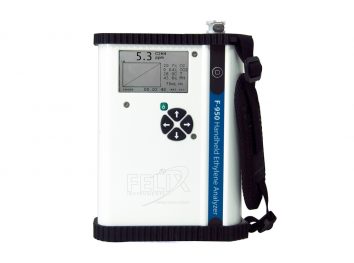
What’s the Difference Between F-900 and F-950 Gas Analyzers?
When comparing the F-900 and F-950 gas analyzers, the simplest way to separate them is this: the F-900 is built first around highly sensitive ethylene measurement, while the F-950 is built for fast, portable measurement of ethylene, CO2, and O2 together. Both instruments come from Felix Instruments and both serve produce, storage, ripening, research, and… Continue reading…
3 Mistakes Technicians Make When Using Gas Analyzers
Gas analyzer accuracy plays a central role in postharvest handling, storage management, and quality control. Whether you are monitoring ethylene levels in ripening rooms or checking oxygen and carbon dioxide in controlled atmosphere storage, even small errors can lead to measurable losses. Despite experience in the field, many technicians still make avoidable mistakes that impact… Continue reading…

Signs Your Gas Sensor Needs Replacement
If you rely on a handheld analyzer for postharvest work, packaging checks, storage rooms, or ripening control, gas sensor replacement is not something to push off until the instrument completely fails. In practice, sensor problems usually show up gradually. Readings get less stable, calibration gets harder to hold, response times slow down, and the numbers… Continue reading…

7 Best Practices for Collecting NIR Data in the Field
Good field NIR data collection starts long before the first scan. In orchards, vineyards, and packing operations, the difference between useful data and noisy data usually comes down to sampling discipline, repeatable technique, and the right instrument setup. That is why field teams using handheld NIR tools need a process that matches the chemistry of… Continue reading…
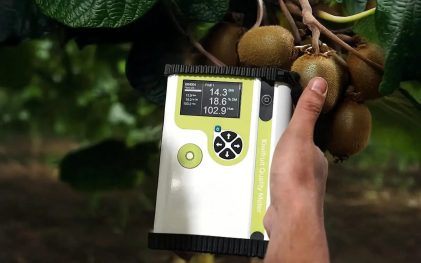
5 Benefits of Pairing NIR Data with Firmness Tests
When produce teams talk about better maturity decisions, they usually end up discussing more than one metric. That is why NIR data matters most when it is paired with firmness tests. NIR data gives you fast, non-destructive insight into internal quality traits such as dry matter, Brix, titratable acidity, and internal color, while firmness testing… Continue reading…

Major Causes of Postharvest Decline in Fresh Produce
The main causes for postharvest decline in fresh produce are mechanical damage, respiration, transpiration, ethylene, and senescence. The importance of each cause varies across classes of fresh produce, including root vegetables, leafy vegetables, flower vegetables, immature fruit vegetables, and mature fruits. Adequate technology adoption can significantly reduce postharvest decline. Around 40-50% of fruits and vegetables… Continue reading…
Truth About Calibration: Why Factory Settings Aren’t Forever
When you first power on a new instrument, it is easy to assume the factory settings will hold steady for years. In reality, gas analyzer calibration is not a one time event. It is an ongoing process that directly affects data integrity, storage decisions, and ultimately profitability. In postharvest environments where small shifts in oxygen,… Continue reading…

Myth: NIR Devices Work the Same on All Cultivars
Near-infrared fruit analysis is widely used across the produce industry, but a persistent myth still circulates: that one NIR model works the same on every cultivar. The truth is that cultivar differences directly impact NIR calibration accuracy, and ignoring that reality leads to inconsistent data and poor decisions. If you rely on NIR devices for… Continue reading…
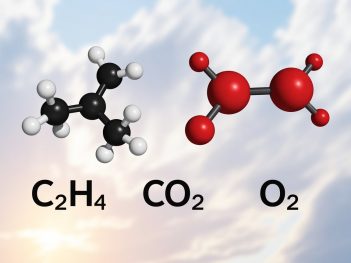
Truth About Multi-Gas Monitors: When Extra Sensors Add Noise
The conversation around multi-gas monitors often centers on one assumption: more sensors equal better data. In controlled atmosphere storage, ripening rooms, and produce research, that sounds reasonable. But in practice, multi-gas monitors can introduce complexity, cross-interference, and calibration drift that compromise accuracy. When extra sensors add noise instead of clarity, the result is slower decisions… Continue reading…
Myth: Data Logging Is Optional—It’s Not if You Want Compliance
In food storage, ripening, and controlled atmosphere management, there is a persistent myth that data logging is optional. Teams often assume that if they can spot check gas levels with a handheld unit, that is enough. It is not. If you care about gas analyzer compliance, continuous and reliable data logging is part of the… Continue reading…