Latest gas-analysis

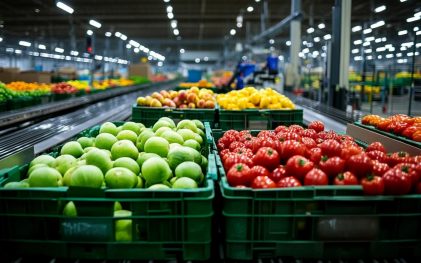
How to Improve Fresh Produce Supply Chain Risk Management for Better Food Safety
Supply chain risk management for fresh produce can include macro-level, external, and internal risks. Macro and external risk factors are outside a business’ control and can affect more than one location in the supply chain. Internal risks that cover a business’s operations, processes, and control measures can be managed using controlled atmosphere facilities and monitoring… Continue reading…

How Do the Effects of Ethylene on Flower Quality Impact Floriculture?
Ethylene is one of the main factors affecting flower and ornamental plant quality and longevity in the entire floriculture supply chain. Ethylene inhibits growth, branching, flower bud abortion, and leaf and flower abscission, reducing the quality and longevity of floriculture products. Floriculturists can increase ROI by monitoring and reducing ethylene levels in greenhouses, storage, distribution,… Continue reading…

How Does Controlled Atmosphere Storage Extend Fruit Shelf-Life?
Controlled atmosphere temperature and relative humidity are critical for ripening and storage. The three gases that need to be measured and controlled are ethylene, oxygen, and carbon dioxide. Several conditions, including gas composition, are reversed during the ripening and storage stages of the supply chain. Each postharvest stage of fresh produce requires specific conditions to… Continue reading…

How Degreening of Citrus Fruits Enhances Appearance and Quality
Artificial degreening changes only citrus peel color and does not affect other quality parameters. Several citrus factors, like maturity at harvest and cultivar-specific ethylene sensitivity, will influence degreening success. Postharvest degreening is the standard procedure and requires careful consideration of cultivars to determine atmosphere conditions, ethylene concentrations, and exposure duration to achieve the desired results.… Continue reading…
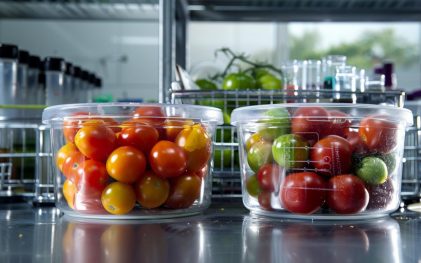
How the Fruit Ripening Process Affects Freshness and Quality
Respiratory rate, ethylene sensitivity, and production are the main criteria for differentiating ripening patterns. Respiratory peaks that trigger ethylene production start the ripening process in climacteric fruits. Ethylene sensitivity, production, and respiration hike are minimal or absent in non-climacteric fruits. Several fruits show varying degrees of ethylene sensitivity and production and defy neat classification in… Continue reading…

Exceptional Coffee, Exceptional Quality: How Paris Brothers Specialty Foods Harnesses the Power of the F-920 Check It Gas Analyzer
Paris Brothers Specialty Foods, synonymous with quality and expertise in the food service industry, is a leader in specialty food distribution and a pioneer in coffee roasting and production. With a profound commitment to quality, Paris Brothers supplies millions of pounds of private-label coffee to major retailers like Costco and Sam’s Club each year. At…

Fruit Cuticle Impact on Postharvest Quality: What You Need to Know
The cuticle is crucial in the postharvest stages as it is the interface between fruits and external biotic and abiotic conditions. Cuticle impact on postharvest quality has several protective functions and is a barrier to water loss, mechanical injuries, UV light, and pest and microbial attacks. It can also alter postharvest fruit firmness and appearance.… Continue reading…
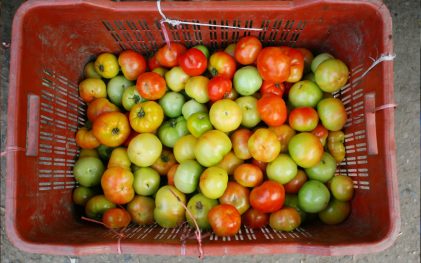
Understanding Fresh Produce Spoilage: Five Causes and Prevention
Various reasons are behind the fresh produce spoilage of the vast diversity of fruits and vegetables. Respiration, transpiration, microbial growth, damage and injury, and internal degradation are common causes. Product-specific temperature thresholds, relative humidity, ethylene, oxygen, and carbon dioxide are the five ambient conditions that determine the spoilage rate. Controlling ambient conditions helps to reduce… Continue reading…
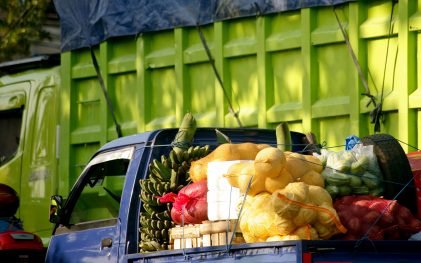
How to Improve Post-harvest Quality in Fresh Produce
Factors affecting post-harvest quality are determined by harvest time, method, and fresh produce maturity. Subsequent postharvest handling during precooling, sorting, grading, packaging, storage, and transport conditions will also influence fresh produce quality and marketing time. Significant differences exist in postharvest technology between developing and developed countries. Fresh produce is highly perishable and suffers from physical… Continue reading…
FDA’s New Final Food Product Traceability Rule: FSMA 204 Explained
Traceability is a critical aspect of modern food supply chain management, contributing to food safety, quality assurance, and the overall integrity of the food industry. The Final Rule of the FSMA 204 focuses on detailed and rapid communication of information on food products on the Food Traceability List to trace and remove unsafe food. The… Continue reading…