6 Ways to Extend Instrument Life in Harsh Environments

Scott Trimble

May 5, 2026 at 5:21 pm | Updated May 5, 2026 at 5:21 pm | 4 min read
Working in challenging conditions is part of the job for many industries, especially in agriculture, postharvest handling, and food science. Whether you are dealing with dust, moisture, temperature swings, or rough handling, protecting your equipment becomes essential. Extending instrument life in harsh environments is not just about saving money. It is about maintaining data accuracy, reducing downtime, and ensuring consistent results. If your tools fail when you need them most, productivity suffers quickly.
This article walks through six practical ways to extend instrument life in harsh environments, with a focus on how thoughtful design and proper handling can make a measurable difference.
#01 Choose instruments built for field conditions
The first step in extending instrument life in harsh environments is selecting equipment that is designed for real-world use. Many lab-grade tools are not built to withstand dust, vibration, or temperature fluctuations.
Subscribe to receive our monthly round-up of articles.
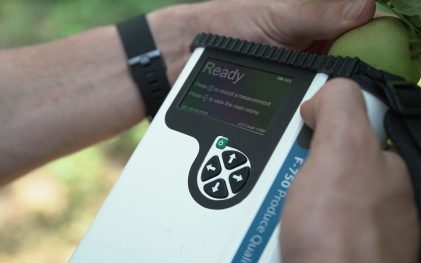
Felix Instruments focuses heavily on portability and durability in its designs. Devices like the F-950 Three Gas Analyzer and F-750 Produce Quality Meter are engineered for field and storage environments, not just controlled labs. This includes rugged housings, stable internal components, and protective casings that reduce wear over time.
When evaluating instruments, look for:
- Shock-resistant construction
- Sealed or protected sensors
- Stable calibration systems
- Proven performance in outdoor or industrial settings
Starting with the right tool reduces the need for constant repairs or replacements later.
#02 Protect against moisture and humidity
Moisture is one of the most common causes of instrument failure. High humidity, condensation, or direct water exposure can damage sensors and internal electronics.

To extend instrument life in harsh environments, it is important to:
- Store instruments in dry, controlled spaces when not in use
- Use desiccants or protective cases during transport
- Avoid rapid temperature changes that cause condensation
- Regularly inspect seals and connectors
Felix Instruments gas analyzers, such as the F-960 Ripen-It Gas Analyzer, are designed to operate in humid storage rooms where produce is kept. Even so, proper handling and storage significantly extend the lifespan of these devices.
If you are working in cold storage or ripening rooms, letting the instrument acclimate before use can prevent internal condensation buildup.
#03 Keep sensors clean and calibrated
Dust, debris, and residue can interfere with sensor accuracy and shorten the lifespan of your equipment. This is especially true in agricultural environments where organic material is constantly present.
Routine maintenance is critical for extending instrument life in harsh environments. This includes:
- Cleaning sampling ports and external surfaces
- Using filters where applicable
- Performing regular calibration checks
- Following manufacturer cleaning guidelines
Felix Instruments designs many of its tools with easy maintenance in mind. For example, their gas analyzers allow straightforward access to sampling lines and filters, making routine upkeep less time-consuming.
Ignoring sensor cleanliness not only affects accuracy but can also lead to permanent damage. A small amount of buildup over time can reduce responsiveness and reliability.
#04 Manage temperature exposure
Extreme temperatures, both hot and cold, can degrade electronic components and impact measurement accuracy. Temperature swings are particularly damaging because they cause expansion and contraction within the instrument.
To extend instrument life in harsh environments, consider these practices:
- Avoid leaving instruments in direct sunlight for extended periods
- Do not store equipment in freezing conditions without protection
- Allow instruments to stabilize to ambient temperature before use
- Use insulated carrying cases when transporting between environments
Felix Instruments equipment is often used in cold storage facilities and outdoor orchards. Their devices are built to handle a wide range of temperatures, but minimizing unnecessary exposure still plays a key role in long-term performance.
Temperature management is not just about protecting hardware. It also ensures that readings remain consistent and reliable across different conditions.
#05 Handle instruments with consistency and care
Even rugged instruments can suffer from repeated drops, impacts, or improper handling. Over time, physical stress can loosen internal components or damage sensitive parts.
Extending instrument life in harsh environments requires consistent handling practices across your team:
- Train staff on proper use and transport
- Use protective cases during movement
- Avoid placing instruments on unstable surfaces
- Secure devices during vehicle transport
Felix Instruments products are designed for portability, but like any precision equipment, they benefit from careful handling. A device that is treated consistently will last significantly longer than one that is frequently mishandled.
Standardizing handling procedures is one of the simplest ways to reduce unnecessary wear and tear.
#06 Schedule preventative maintenance
Waiting for an instrument to fail before taking action often leads to higher costs and longer downtime. Preventative maintenance helps identify small issues before they become major problems.

To extend instrument life in harsh environments, build a maintenance schedule that includes:
- Routine inspections
- Calibration verification
- Replacement of consumables like filters
- Software updates if applicable
Felix Instruments supports long-term use by providing clear maintenance guidelines and responsive support. Their instruments are designed for longevity, but regular upkeep ensures that performance remains consistent over time.
Preventative maintenance also improves confidence in your data. When instruments are well-maintained, you can trust the results they produce.
Why instrument design matters
While handling and maintenance are critical, the design of the instrument itself plays a major role in durability. Felix Instruments focuses on creating tools that work where you work, whether that is in orchards, packinghouses, or storage facilities.
Features that support extended instrument life include:
- Portable and ergonomic designs
- Durable external materials
- Efficient power management for field use
- Integrated systems that reduce external dependencies
This approach reduces the gap between lab precision and field practicality. Instead of adapting fragile tools to tough environments, Felix Instruments builds tools specifically for those conditions.
Takeaway
If extending instrument life in harsh environments is a priority for your operation, it is worth evaluating the tools you rely on every day. Felix Instruments offers a range of durable, field-ready solutions for gas analysis and produce quality measurement.
Explore our lineup to find instruments that are built for long-term performance, even in demanding conditions. Investing in the right equipment now can save time, reduce maintenance costs, and improve data reliability over the long run.
Related Products
- F-751 Grape Quality Meter
- Custom Model Building
- F-910 AccuStore
- F-751 Melon Quality Meter
- F-751 Kiwifruit Quality Meter
- F-750 Produce Quality Meter
- F-751 Avocado Quality Meter
- F-751 Mango Quality Meter
- F-9XXDK Dynamic Sampling Kit
- F-900 Portable Ethylene Analyzer
- F-950 Three Gas Analyzer
- F-920 Check It! Gas Analyzer
- F-960 Ripen It! Gas Analyzer
- F-940 Store It! Gas Analyzer
Most Popular Articles
- Spectrophotometry in 2023
- NIR Applications in Agriculture – Everything…
- The Importance of Food Quality Testing
- The 5 Most Important Parameters in Produce Quality Control
- Melon Fruit: Quality, Production & Physiology
- Fruit Respiration Impact on Fruit Quality
- Guide to Fresh Fruit Quality Control
- Liquid Spectrophotometry & Food Industry Applications
- Ethylene (C2H4) – Ripening, Crops & Agriculture
- Understanding Chemometrics for NIR Spectroscopy