3 Mistakes Technicians Make When Using Gas Analyzers

Scott Trimble

May 5, 2026 at 5:21 pm | Updated May 5, 2026 at 5:21 pm | 4 min read
Gas analyzer accuracy plays a central role in postharvest handling, storage management, and quality control. Whether you are monitoring ethylene levels in ripening rooms or checking oxygen and carbon dioxide in controlled atmosphere storage, even small errors can lead to measurable losses.
Despite experience in the field, many technicians still make avoidable mistakes that impact data reliability and decision-making.
This article breaks down three common mistakes technicians make when using gas analyzers, explains why they happen, and outlines how to avoid them using better practices and modern tools like those developed by Felix Instruments.
Subscribe to receive our monthly round-up of articles.
Mistake 1: Skipping Proper Calibration
One of the most common issues affecting gas analyzer accuracy is inconsistent or improper calibration. Many technicians assume that once a device is calibrated, it will remain accurate indefinitely.
In reality, sensor drift is unavoidable over time, especially when measuring gases like ethylene at very low concentrations.
Why this happens
Technicians are often working under time pressure. Calibration can feel like a delay rather than a necessity. In some cases, teams rely on factory calibration for too long without verifying performance in real-world conditions.
The impact
Skipping calibration leads to inaccurate readings. This can result in:
- Misjudging ripening stages
- Improper storage conditions
- Increased spoilage or uneven product quality
For example, a small error in ethylene measurement can significantly alter ripening schedules for climacteric fruits.
How to avoid it
A consistent calibration routine is essential. This includes:
- Using certified calibration gases
- Following manufacturer-recommended intervals
- Verifying readings before critical measurements
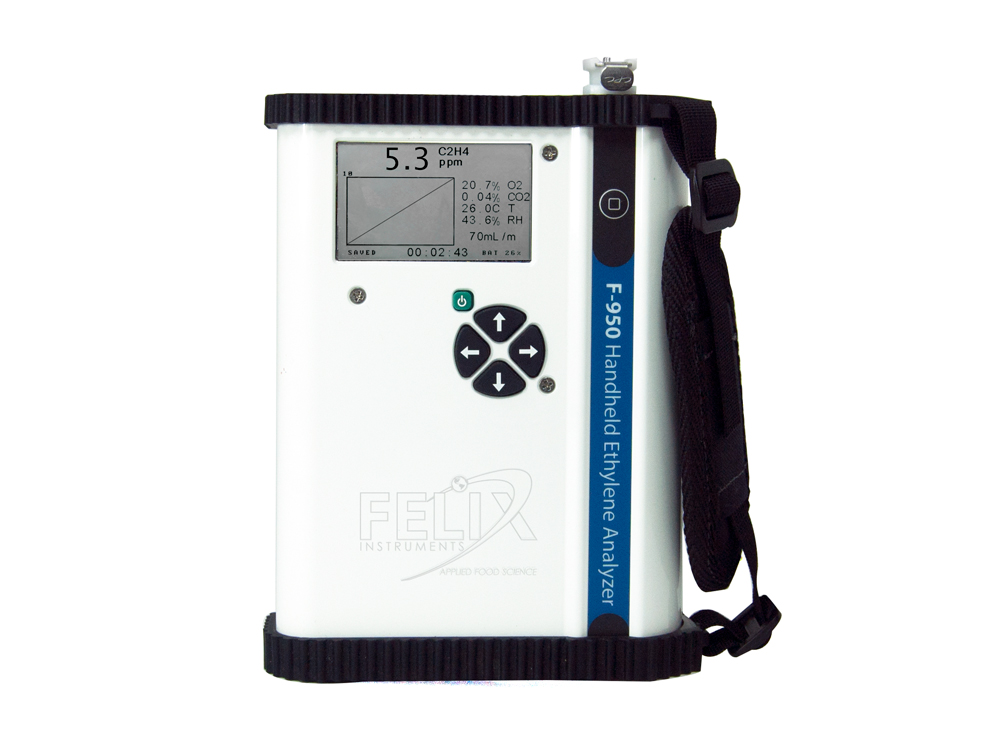
Modern instruments such as the F-950 Three Gas Analyzer are designed to simplify calibration workflows. With user-friendly interfaces and built-in calibration reminders, technicians can maintain gas analyzer accuracy without disrupting daily operations.
Mistake 2: Improper Sampling Techniques
Even with a perfectly calibrated device, poor sampling methods can compromise results. This is one of the most overlooked factors affecting gas analyzer accuracy.
Common sampling errors
Technicians often:
- Sample from non-representative locations
- Allow ambient air contamination
- Use incorrect tubing or connectors
- Fail to flush the system before measurement
These mistakes introduce variability that has nothing to do with the actual storage environment.
Why this matters
Gas concentrations can vary significantly within a storage room or container. Sampling near vents or doors, for instance, may not reflect true internal conditions. Similarly, contamination during sampling can dilute or skew readings.
Real-world consequences
Improper sampling can lead to:
- Incorrect adjustments to storage atmospheres
- Overuse or underuse of ripening agents
- Reduced shelf life of produce
In high-value supply chains, these errors translate directly into financial losses.
How to improve sampling accuracy
Technicians should adopt standardized sampling procedures:
- Always sample from consistent, representative points
- Use airtight connections and high-quality tubing
- Flush the sampling line before taking a reading
- Avoid unnecessary delays between sampling and measurement
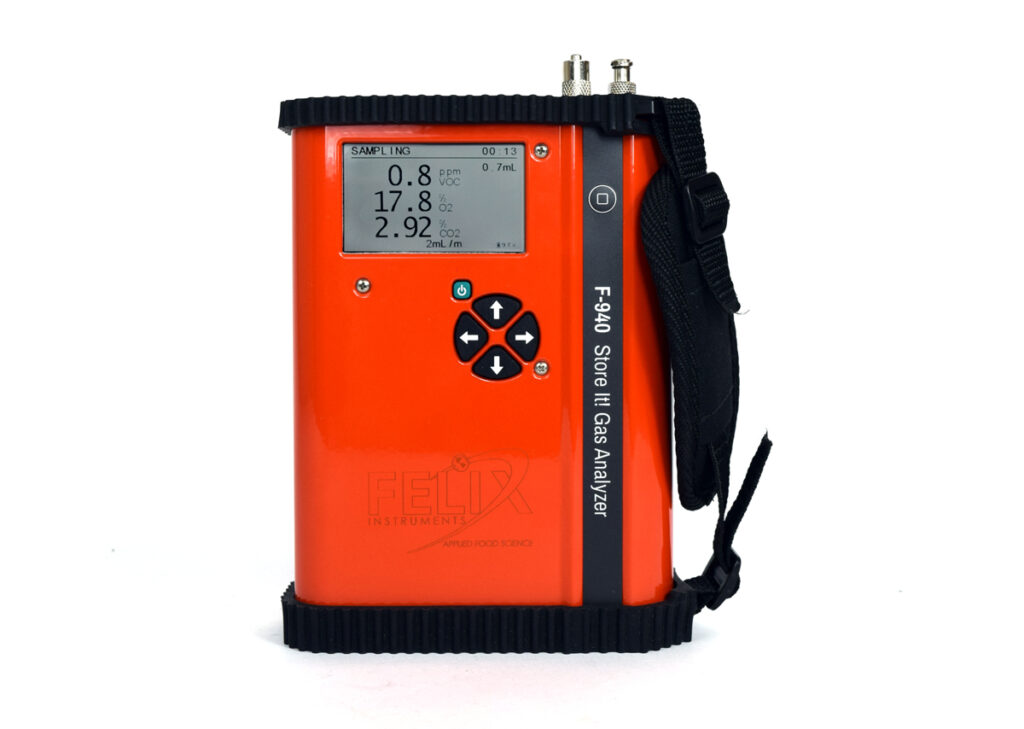
Portable analyzers like the F-940 Store It Gas Analyzer are designed with field use in mind. Their integrated pumps and streamlined sampling systems reduce the chances of contamination and help maintain gas analyzer accuracy in real-world conditions.
Mistake 3: Misinterpreting Data
Accurate readings are only useful if they are correctly interpreted. Many technicians focus on collecting data but overlook how to analyze it in context.
Where interpretation goes wrong
Some common issues include:
- Looking at single data points instead of trends
- Ignoring environmental variables like temperature
- Misunderstanding crop-specific gas requirements
- Reacting too quickly to minor fluctuations
Gas levels are dynamic. A single reading rarely tells the full story.
The bigger picture
For example, a slight rise in ethylene may not require immediate action if it falls within expected ripening patterns. On the other hand, a steady upward trend over time could indicate a problem that needs intervention.
Without proper interpretation, technicians may:
- Overcorrect storage conditions
- Interrupt natural ripening processes
- Waste resources on unnecessary adjustments
Improving data interpretation
To get the most out of gas analyzer accuracy, technicians should:
- Track data over time and identify trends
- Combine gas readings with temperature and humidity data
- Understand the specific requirements of each commodity
- Use software tools for logging and analysis
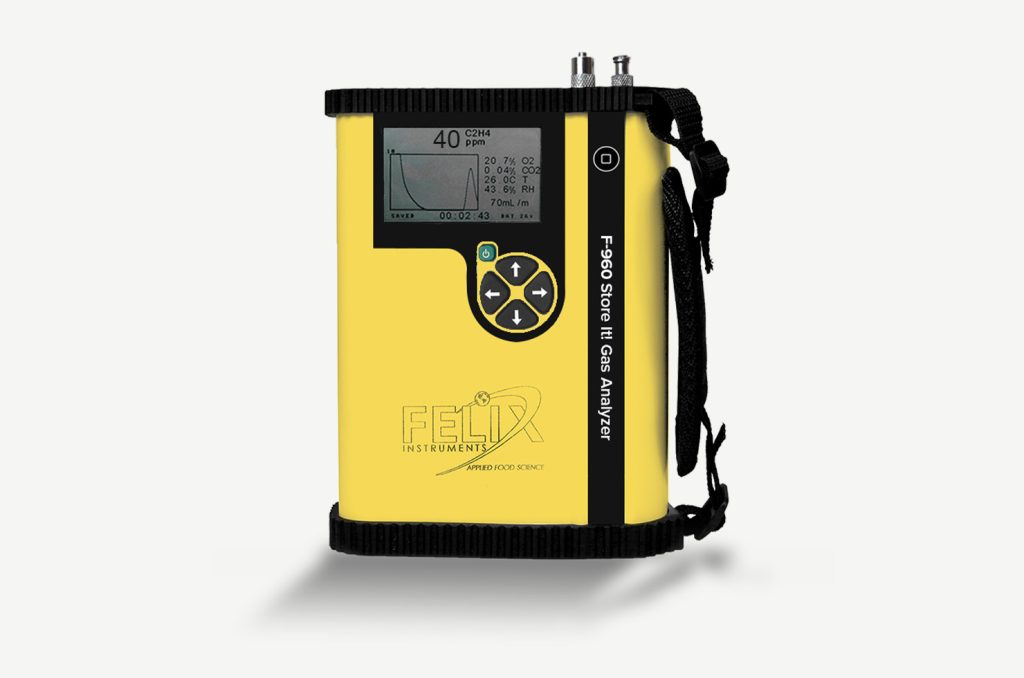
Advanced devices such as the F-960 Ripen It Gas Analyzer support data logging and export features, making it easier to analyze trends and make informed decisions.
The Role of Technology in Reducing Errors
While human error is unavoidable, the right tools can significantly reduce its impact. Felix Instruments designs gas analyzers with real-world workflows in mind, addressing many of the challenges technicians face daily.
Key advantages of modern analyzers
- Portable designs for on-site measurements
- Multi-gas capability to reduce equipment needs
- Intuitive interfaces that minimize user error
- Built-in data logging for better analysis
For instance, the F-920 Check It Gas Analyzer offers quick and reliable spot checks, making it easier to verify conditions without complex setup. Similarly, the F-900 Portable Ethylene Analyzer provides precise ethylene detection at low concentrations, which is critical for ripening management.
These features are not just about convenience. They directly support better gas analyzer accuracy by reducing opportunities for mistakes.
Building Better Habits in the Field
Avoiding these three mistakes comes down to building consistent habits. Even the most advanced equipment cannot compensate for poor practices.
Practical tips for technicians
- Schedule regular calibration and stick to it
- Follow standardized sampling protocols
- Document measurements and review trends
- Stay updated on commodity-specific requirements
Training also plays a key role. Teams that understand both the technology and the science behind gas measurement are better equipped to maintain accuracy.
Takeaway
Gas analyzer accuracy is not just a technical requirement. It is a critical factor in maintaining product quality, reducing waste, and optimizing storage and ripening processes. The three mistakes discussed here, skipping calibration, poor sampling, and misinterpreting data, are common but entirely avoidable.
By adopting better practices and using reliable tools, technicians can significantly improve their results. Felix Instruments offers a range of solutions designed to support accurate, efficient gas analysis in real-world conditions.
If you are looking to improve your workflow and reduce costly errors, explore the full lineup of gas analyzers from Felix Instruments. Investing in the right equipment and practices will pay off in better data, better decisions, and better outcomes.
Related Products
Most Popular Articles
- Spectrophotometry in 2023
- NIR Applications in Agriculture – Everything…
- The Importance of Food Quality Testing
- The 5 Most Important Parameters in Produce Quality Control
- Melon Fruit: Quality, Production & Physiology
- Fruit Respiration Impact on Fruit Quality
- Guide to Fresh Fruit Quality Control
- Liquid Spectrophotometry & Food Industry Applications
- Ethylene (C2H4) – Ripening, Crops & Agriculture
- Understanding Chemometrics for NIR Spectroscopy