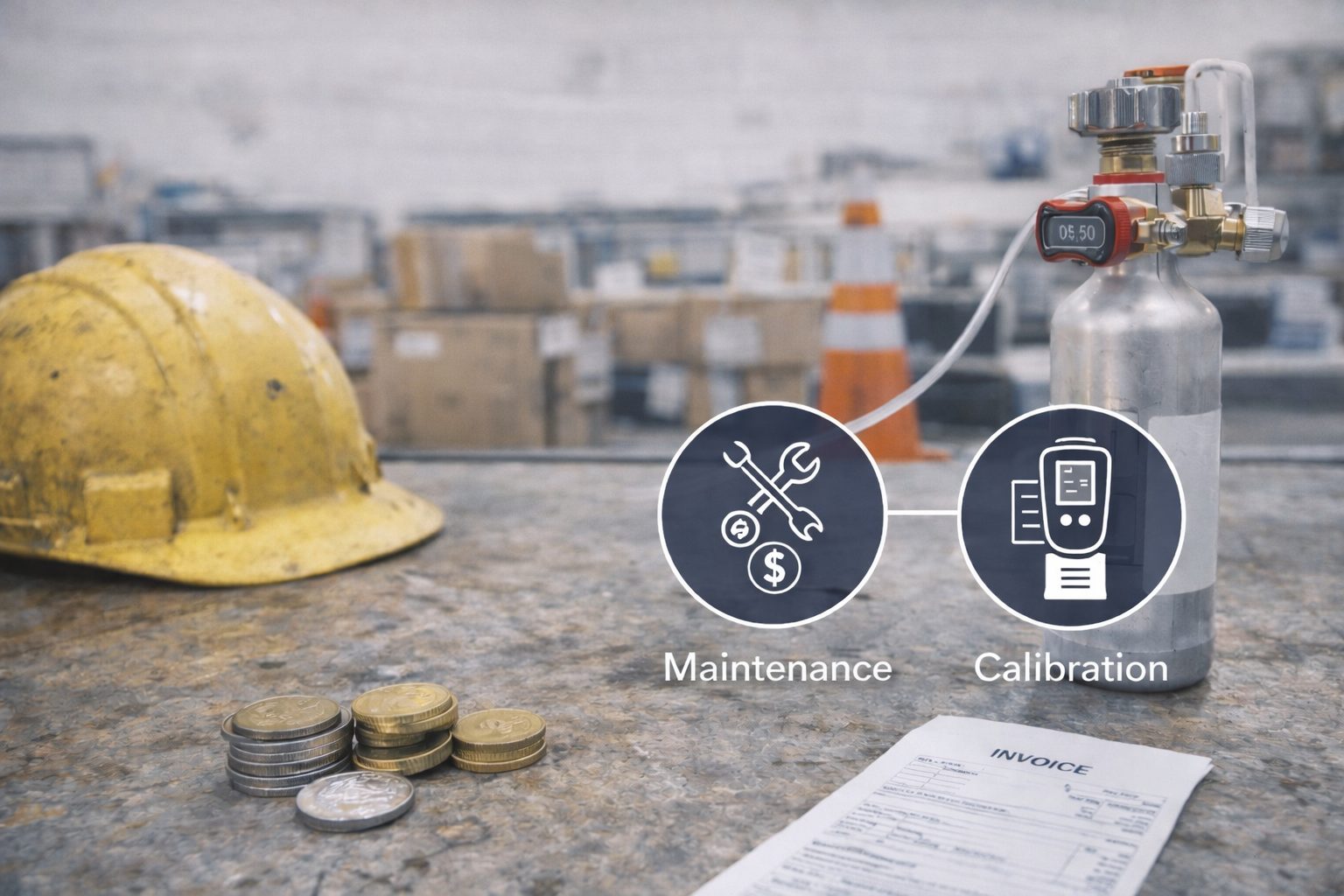
Maintenance and Calibration Costs for Gas Monitors: What to Expect

Scott Trimble

February 5, 2026 at 10:34 pm | Updated February 5, 2026 at 10:34 pm | 5 min read
Maintenance and calibration costs for gas monitors are often underestimated during the buying process. Most teams focus on upfront price and core specifications, then get surprised later by service contracts, downtime, or recurring consumables.
Over the life of a gas monitor, these hidden costs can exceed the purchase price if the system is not designed with long term ownership in mind.
This article walks through what drives maintenance and calibration costs for gas monitors, what is reasonable to expect year over year, and how design choices made by manufacturers can significantly reduce total cost of ownership.
Subscribe to receive our monthly round-up of articles.
Why Maintenance and Calibration Matter
Gas monitors are only as reliable as their calibration. Sensors drift over time, sampling paths accumulate residue, and environmental conditions introduce small errors that compound if left unchecked.
Calibration aligns sensor output with known gas standards so measurements stay accurate and defensible.
Maintenance ensures the instrument continues to perform as intended. This includes replacing consumables, inspecting seals and pumps, updating firmware, and confirming that sensors respond correctly across their measurement range.
Skipping these steps saves money in the short term but usually results in higher costs later through product loss, compliance issues, or premature instrument replacement.
Key Cost Drivers for Gas Monitor Ownership
Several factors influence ongoing maintenance and calibration costs. Understanding these early helps avoid surprises.
Sensor Technology
Electrochemical and infrared sensors tend to have predictable lifespans and stable drift profiles. Cheaper sensors may cost less upfront but often require more frequent calibration or replacement. Ethylene sensors are a common example where design quality dramatically impacts long term cost.
Calibration Frequency
Some monitors require monthly or even weekly calibration. Others are stable enough to be calibrated quarterly or annually. Calibration frequency directly affects labor time, gas usage, and downtime.
Calibration Method
Instruments that require factory calibration incur shipping costs and lost productivity. Field calibratable systems reduce cost and keep instruments in service.
Consumables
Filters, tubing, sampling needles, and desiccants add recurring expense. Well designed instruments minimize consumables or use inexpensive, widely available components.
Software and Data Handling
Paid software licenses, proprietary cables, or closed ecosystems increase cost over time. Open data formats and included software reduce friction and expense.
Labor and Downtime
Calibration time matters. A system that takes five minutes versus thirty minutes per calibration adds up quickly across multiple instruments and sites.
Typical Calibration Costs for Gas Monitors
Calibration costs vary widely depending on instrument design and usage. A realistic annual estimate for a single gas monitor often includes:
Calibration Gas
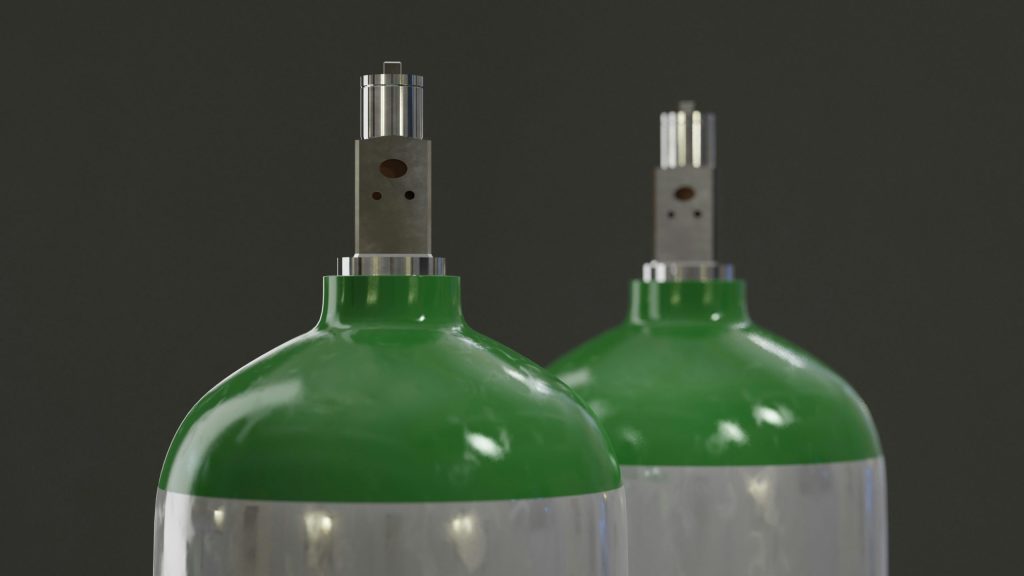
Standard gas cylinders for O2, CO2, or ethylene typically cost a few hundred dollars and last multiple calibration cycles. High quality instruments require less frequent calibration, extending cylinder life.
Labor
In house calibration usually takes 5 to 20 minutes per instrument if the process is streamlined. External calibration services add service fees plus shipping and handling.
Service Fees
Some manufacturers require annual service contracts or factory calibration. These can range from several hundred to over a thousand dollars per year per instrument.
Downtime
This is often the most expensive cost and the hardest to quantify. An instrument out of service can delay decisions or force teams to rely on estimates instead of data.
Maintenance Costs Beyond Calibration
Maintenance goes beyond calibration. Over time, components wear out and need attention.
Sensor Replacement
Even the best sensors have a finite lifespan. High quality ethylene and gas sensors often last several years. Lower quality sensors may need replacement annually, significantly increasing cost.
Pumps and Sampling Components
Internal pumps and valves are mechanical parts and eventually wear. Designs that use robust pumps with conservative duty cycles extend service intervals.
Cleaning and Inspection
Residue from produce respiration, moisture, and dust can affect sampling systems. Instruments designed for easy access and cleaning reduce labor time.
Firmware Updates
Modern gas monitors often include firmware updates that improve performance or add features. Manufacturers that provide updates at no cost reduce long term expense.
How Design Impacts Cost
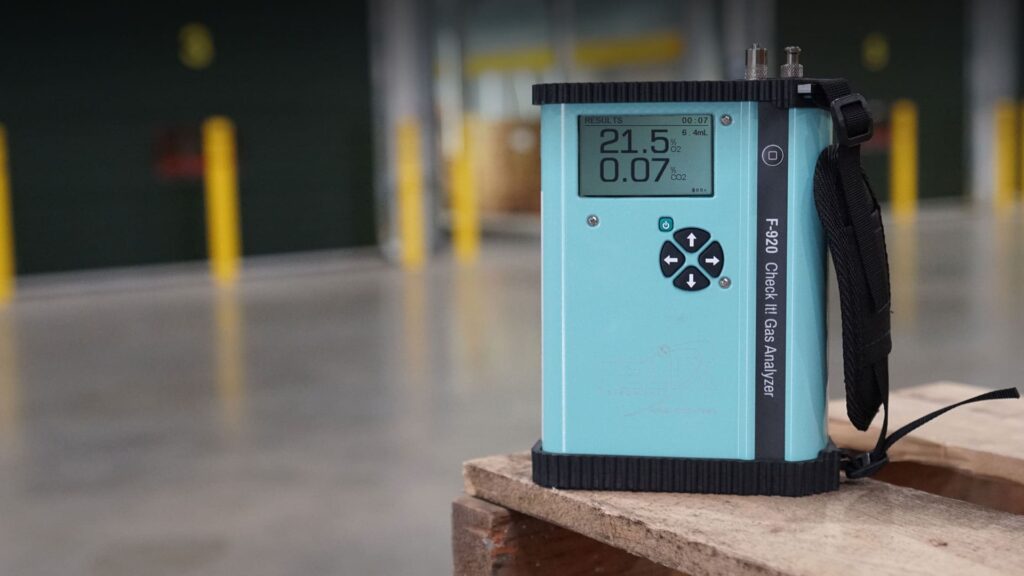
Design philosophy plays a major role in maintenance and calibration costs for gas monitors. Instruments built for research and industrial use prioritize stability, repeatability, and serviceability.
Handheld gas analyzers from Felix Instruments are a good example of this approach. Our gas analysis line emphasizes long sensor life, low drift, and field calibration. This reduces both calibration frequency and reliance on factory service.
For example, instruments like the F-920 Check It, F-940 Store It, F-950 Three Gas Analyzer, and F-960 Ripen It are designed around stable sensor platforms with straightforward calibration routines.
Users can perform calibration on site using standard gases without specialized tools. This keeps labor costs low and instruments in circulation.
Comparing High Quality Instruments to Lower Cost Alternatives
Lower priced gas monitors often look attractive at first glance. Over time, differences become clear.
Lower cost instruments often require frequent calibration due to sensor drift. They may rely on proprietary consumables or require factory calibration. These factors increase both direct costs and downtime.
Higher quality instruments typically have higher upfront costs but lower annual operating expenses. Reduced calibration frequency, longer sensor life, and field serviceability lower total cost of ownership. Over five to ten years, these savings are substantial.
Planning a Realistic Maintenance Budget
A practical approach to budgeting includes:
- Estimating calibration frequency based on manufacturer recommendations and your application
- Budgeting for at least one calibration gas cylinder shared across instruments
- Allocating staff time for routine checks and calibration
- Planning sensor replacement based on expected lifespan rather than failure
- Tracking downtime costs to understand the real impact of service intervals
Organizations that track these factors usually find that investing in stable, serviceable instruments pays for itself within the first few years.
Reducing Maintenance and Calibration Costs
There are several ways to keep costs under control.
- Standardize instruments across sites to share calibration gases and procedures
- Train staff to perform in house calibration confidently
- Choose instruments with long sensor life and low drift
- Avoid proprietary consumables where possible
- Keep instruments clean and stored properly between uses
These steps reduce both direct expenses and unexpected disruptions.
Takeaway
Maintenance and calibration costs for gas monitors are not optional expenses. They are a core part of owning reliable analytical equipment.
The difference between a manageable operating budget and constant surprise costs often comes down to instrument design and manufacturer philosophy.
Choosing gas monitors built for long term stability, easy calibration, and field serviceability reduces total cost of ownership and improves confidence in the data. Felix Instruments designs gas analyzers with these priorities in mind, helping teams spend less time maintaining equipment and more time making informed decisions.
If you are evaluating gas monitors or planning to replace aging equipment, explore the full gas analysis portfolio from Felix Instruments and talk with our team about realistic ownership costs before you buy.
Frequently Asked Questions
How Often Should Gas Monitors Be Calibrated?
Calibration frequency depends on sensor type and application. Many high quality gas monitors only require quarterly or annual calibration, while lower stability instruments may need monthly calibration.
Are Factory Calibration Services Worth the Cost?
Factory calibration can be useful for periodic verification, but instruments designed for accurate field calibration often eliminate the need for frequent factory service, reducing cost and downtime.
What Is the Biggest Hidden Cost of Gas Monitors?
Downtime is often the largest hidden cost. Instruments that require shipping for service or frequent calibration can disrupt workflows and delay critical decisions.
Related Products
Most Popular Articles
- Spectrophotometry in 2023
- NIR Applications in Agriculture – Everything…
- The Importance of Food Quality Testing
- The 5 Most Important Parameters in Produce Quality Control
- Melon Fruit: Quality, Production & Physiology
- Fruit Respiration Impact on Fruit Quality
- Guide to Fresh Fruit Quality Control
- Liquid Spectrophotometry & Food Industry Applications
- Ethylene (C2H4) – Ripening, Crops & Agriculture
- Understanding Chemometrics for NIR Spectroscopy