Truth About Calibration: Why Factory Settings Aren’t Forever

Scott Trimble

March 10, 2026 at 4:26 pm | Updated March 10, 2026 at 4:26 pm | 5 min read
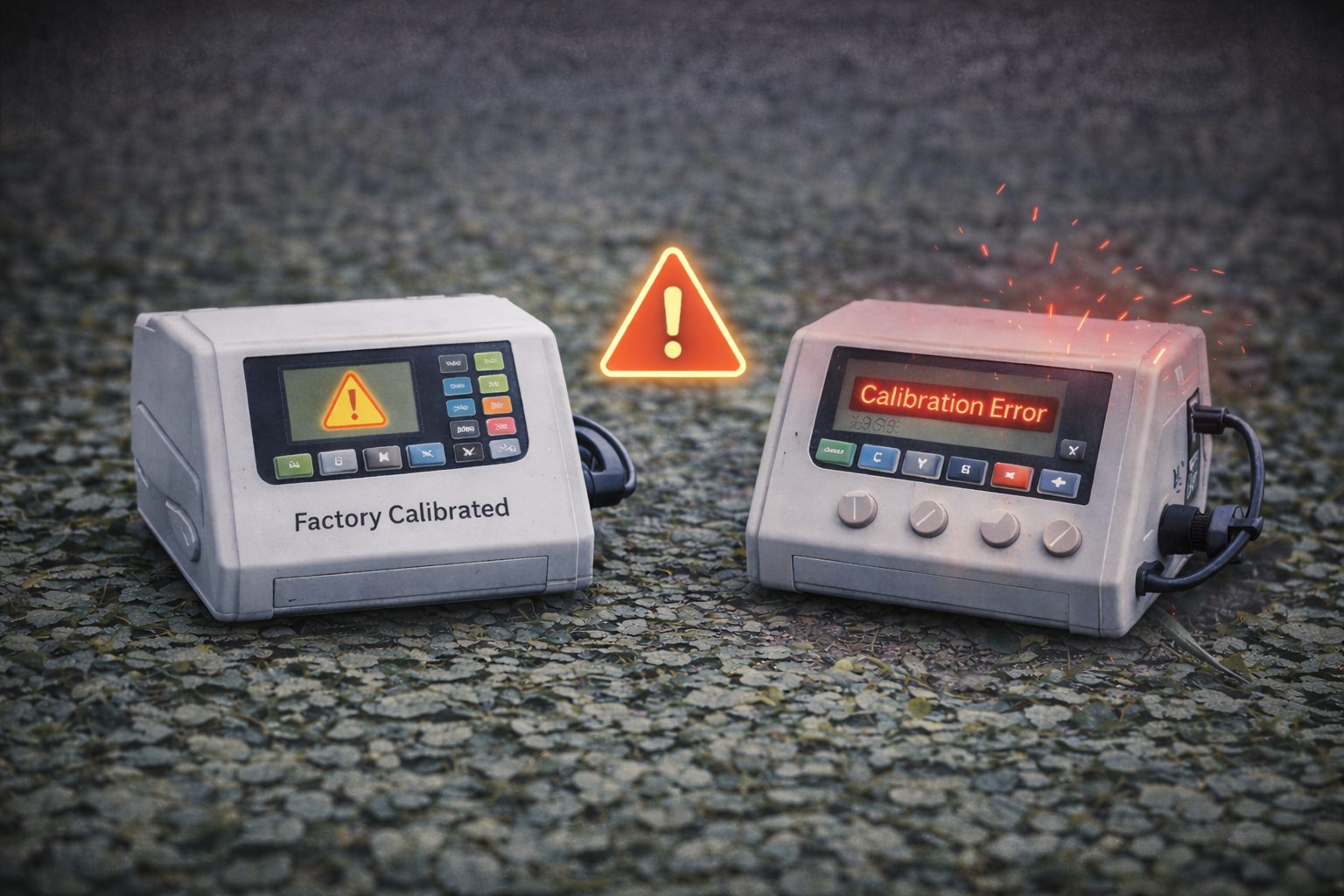
When you first power on a new instrument, it is easy to assume the factory settings will hold steady for years. In reality, gas analyzer calibration is not a one time event. It is an ongoing process that directly affects data integrity, storage decisions, and ultimately profitability.
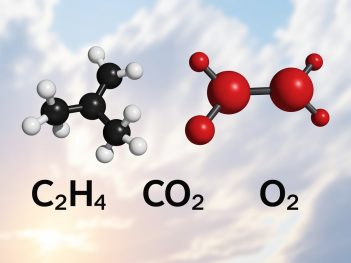
In postharvest environments where small shifts in oxygen, carbon dioxide, or ethylene can influence fruit quality, calibration accuracy is not optional.
Felix Instruments designs its gas analysis systems for precision and long term stability, but even the most advanced sensors require routine attention. Understanding why factory calibration drifts over time helps you build a smarter quality control program and avoid costly surprises.
Subscribe to the Felix instruments Weekly article series.
By submitting this form, you are consenting to receive marketing emails from: . You can revoke your consent to receive emails at any time by using the SafeUnsubscribe® link, found at the bottom of every email. Emails are serviced by Constant Contact
Why Factory Calibration Changes Over Time
Every gas analyzer leaves the factory calibrated against certified reference gases. That calibration reflects sensor response under controlled conditions. Once deployed into real world storage rooms, ripening facilities, or packinghouses, the environment changes.
Several factors contribute to calibration drift:
Sensor aging
Electrochemical and infrared sensors gradually change sensitivity as components age.
Environmental exposure
High humidity, temperature fluctuations, and repeated exposure to elevated gas concentrations influence sensor stability.
Mechanical stress
Portable analyzers move between rooms, facilities, and even countries. Physical movement can affect internal alignment over time.
Contamination
Dust, volatile compounds, and unexpected gas mixtures can alter readings if not properly filtered.
These factors do not mean the instrument is unreliable. They mean gas analyzer calibration must be treated as part of routine maintenance rather than a one time setup.
The Cost of Ignoring Calibration
In controlled atmosphere storage, a 0.5 percent error in oxygen measurement can change respiration rates. In ripening rooms, inaccurate ethylene readings can delay or accelerate ripening beyond target specifications. Over weeks or months, these small deviations compound.
Common risks include:
- Incorrect controlled atmosphere set points
- Premature ripening or uneven color development
- Shortened storage life
- Disputes with buyers over quality claims
- Regulatory compliance issues
Facilities that assume factory settings remain accurate indefinitely often discover problems only after fruit quality declines.
Felix Instruments addresses these risks by engineering analyzers with stable sensor platforms, intuitive calibration routines, and service support that keeps performance aligned with specification.
Felix Instruments Gas Analyzers Built for Real World Stability
F-920 Check It Gas Analyzer
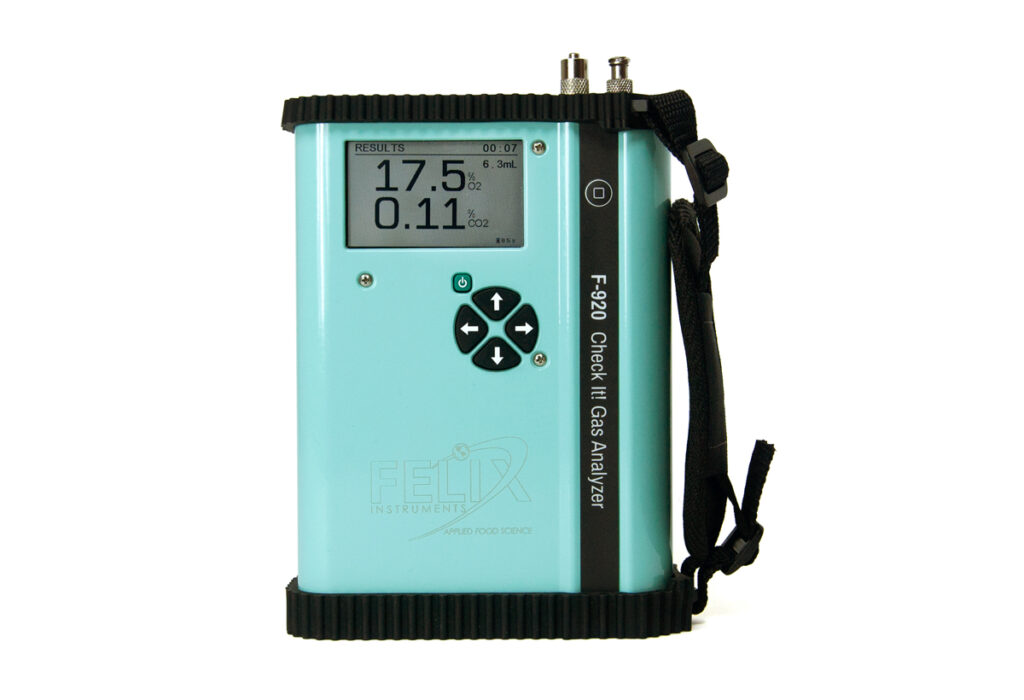
The F-920 Check It is designed for reliable oxygen and carbon dioxide measurement in storage and packaging environments. Its non dispersive infrared CO2 sensor and electrochemical O2 sensor provide high accuracy in a compact, portable format.
The instrument supports straightforward gas analyzer calibration procedures, allowing operators to verify readings against certified gas standards. Instead of relying solely on factory settings, users can confirm performance before critical storage transitions.
F-940 Store It Gas Analyzer

The F-940 expands capabilities by adding ethylene measurement alongside O2 and CO2. In long term storage programs where ethylene management is essential, calibration accuracy directly impacts storage outcomes.
Ethylene sensors are particularly sensitive to environmental influences. Regular gas analyzer calibration ensures that low level ethylene detection remains trustworthy, especially when monitoring scrubber performance or detecting early ripening signals.
F-950 Three Gas Analyzer
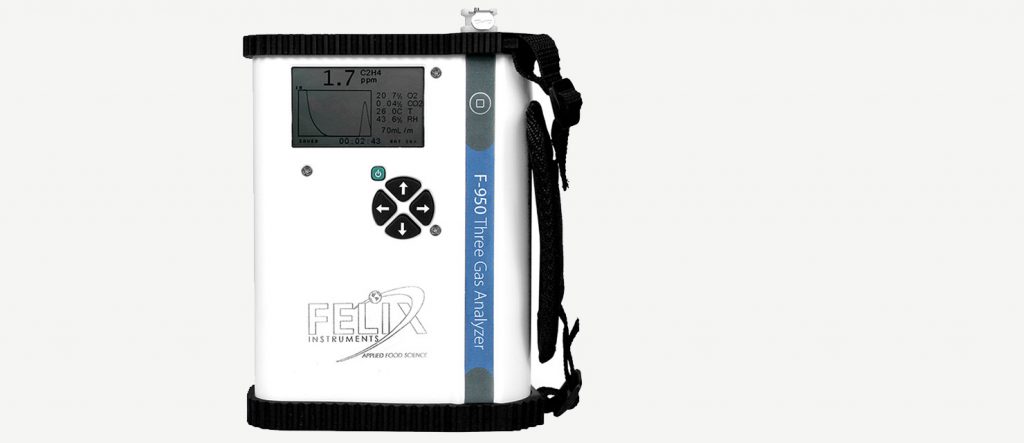
The F-950 offers simultaneous measurement of ethylene, oxygen, and carbon dioxide with advanced data logging and connectivity features. For research institutions and large commercial operations, data integrity is critical.
Routine gas analyzer calibration protects the value of longitudinal datasets. When comparing seasonal trends or evaluating new storage protocols, consistent calibration ensures that differences reflect fruit physiology rather than instrument drift.
F-960 Ripen It Gas Analyzer
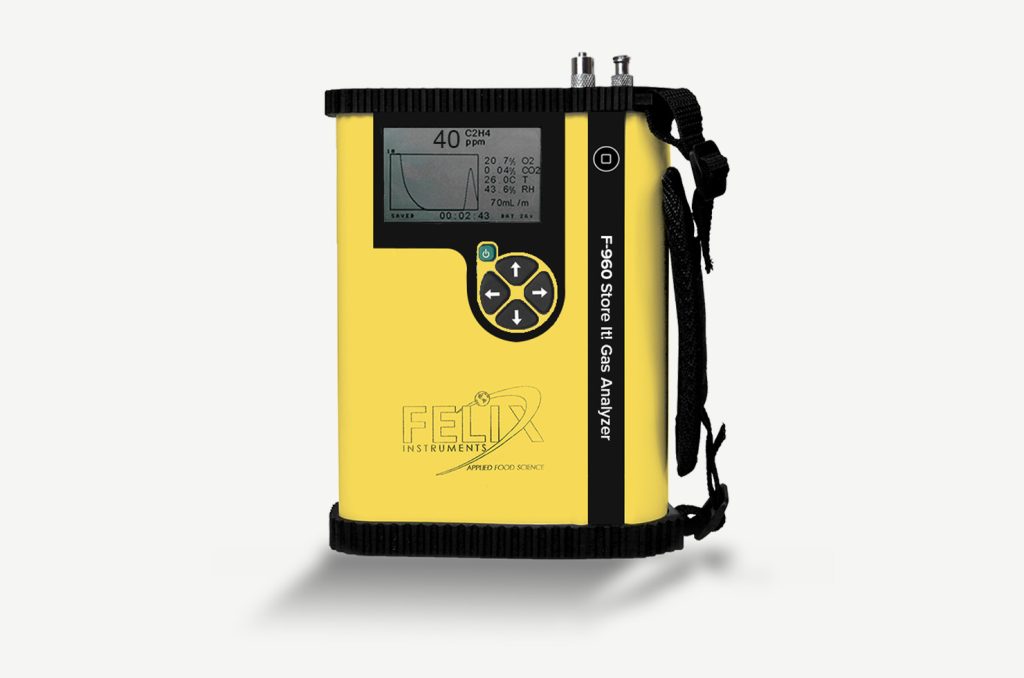
The F-960 is optimized for ripening applications, where ethylene concentration drives timing and uniformity. Ripening rooms operate at higher ethylene levels than storage rooms, which can accelerate sensor wear if not monitored carefully.
With user friendly calibration procedures and responsive sensor technology, the F-960 supports routine gas analyzer calibration without excessive downtime. That means ripening schedules stay on track and fruit quality remains predictable.
Best Practices for Gas Analyzer Calibration
A structured calibration program does not need to be complicated. It needs to be consistent.
-
Establish a schedule
High use instruments may require monthly checks. Lower use units may follow quarterly schedules. Align frequency with operational risk. -
Use certified reference gases
Calibration is only as accurate as the reference standard. Always use traceable, certified gas mixtures. -
Document results
Maintain logs of calibration adjustments, dates, and technician notes. This supports compliance and trend analysis. -
Train staff
Even intuitive instruments require correct procedure. Ensure operators understand zero and span adjustments. -
Monitor performance trends
If calibration adjustments become larger over time, it may indicate sensor aging and the need for service.
Felix Instruments designs its analyzers with accessible calibration interfaces so facilities can implement these best practices without complex service requirements.
Factory Calibration Is the Starting Point
Factory calibration ensures every Felix Instruments analyzer meets specification before shipment. It establishes a reliable baseline. However, the responsibility for maintaining that accuracy shifts to the user once the instrument enters daily operation.
Competitor instruments sometimes treat calibration as a technical afterthought, requiring external service for routine adjustments. That increases downtime and service costs. Felix Instruments emphasizes user accessible calibration workflows while still offering factory support when deeper service is required.
This balance gives facilities control over their data while maintaining professional service backing.
Data Integrity Drives Better Decisions
Gas analyzer calibration is not just about sensor performance. It influences strategic decisions:
- Adjusting controlled atmosphere thresholds
- Evaluating new packaging technologies
- Comparing cultivar storage performance
- Optimizing ripening programs
- Supporting export documentation
When readings are accurate, managers make confident decisions. When calibration drifts, uncertainty creeps in.
Felix Instruments supports long term data reliability with stable sensors, clear calibration protocols, and technical support that understands postharvest systems. The result is fewer surprises and stronger quality outcomes.
Conclusion: Build Calibration Into Your Quality Strategy
Factory settings are a starting point, not a guarantee for life. Gas analyzer calibration protects your investment, your product, and your reputation. In environments where small gas variations influence fruit physiology, routine calibration is simply good management.
Felix Instruments provides gas analyzers designed for stability, precision, and straightforward calibration procedures. Whether you operate controlled atmosphere storage, manage ripening rooms, or conduct postharvest research, maintaining calibration ensures your data stays accurate and actionable.
If you are reviewing your current calibration program or considering upgrading your equipment, contact Felix Instruments to discuss the right analyzer for your operation. Our team can help you implement a practical gas analyzer calibration strategy that keeps your measurements reliable season after season.
Related Products
Most Popular Articles
- Spectrophotometry in 2023
- The Importance of Food Quality Testing
- NIR Applications in Agriculture – Everything…
- The 5 Most Important Parameters in Produce Quality Control
- Melon Fruit: Quality, Production & Physiology
- Fruit Respiration Impact on Fruit Quality
- Guide to Fresh Fruit Quality Control
- Liquid Spectrophotometry & Food Industry Applications
- Ethylene (C2H4) – Ripening, Crops & Agriculture
- Active Packaging: What it is and why it’s important