Myth: Only Big Growers Benefit from Gas Monitoring Systems

Scott Trimble

March 10, 2026 at 4:21 pm | Updated March 10, 2026 at 4:21 pm | 5 min read
A common misconception in postharvest management is that gas monitoring systems are only useful for large commercial growers with massive storage facilities. In reality, gas monitoring systems are just as valuable for small and mid sized growers who want to protect product quality, reduce waste, and gain more control over storage and ripening conditions.
Gas monitoring systems often brings to mind expensive infrastructure and complex equipment. But modern handheld tools have changed that picture.
Today, compact instruments from companies like Felix Instruments allow growers of all sizes to monitor ethylene, oxygen, and carbon dioxide levels with precision. That kind of insight helps growers make better decisions about storage, shipping, and ripening regardless of farm size.
Subscribe to the Felix instruments Weekly article series.
By submitting this form, you are consenting to receive marketing emails from: . You can revoke your consent to receive emails at any time by using the SafeUnsubscribe® link, found at the bottom of every email. Emails are serviced by Constant Contact
Understanding the Role of Gas Monitoring in Produce Storage
Fresh produce continues to respire after harvest. This process consumes oxygen and releases carbon dioxide and ethylene. If these gases are not properly monitored, the storage environment can quickly shift in ways that reduce shelf life or trigger premature ripening.
Gas monitoring systems give growers real time insight into these conditions. By measuring gases inside storage rooms, containers, or packaging, growers can detect changes early and adjust conditions before quality declines.
Key gases that affect produce quality include:
-
Ethylene, which accelerates ripening and aging
-
Oxygen, which influences respiration rates
-
Carbon dioxide, which can either slow respiration or cause damage if levels become too high
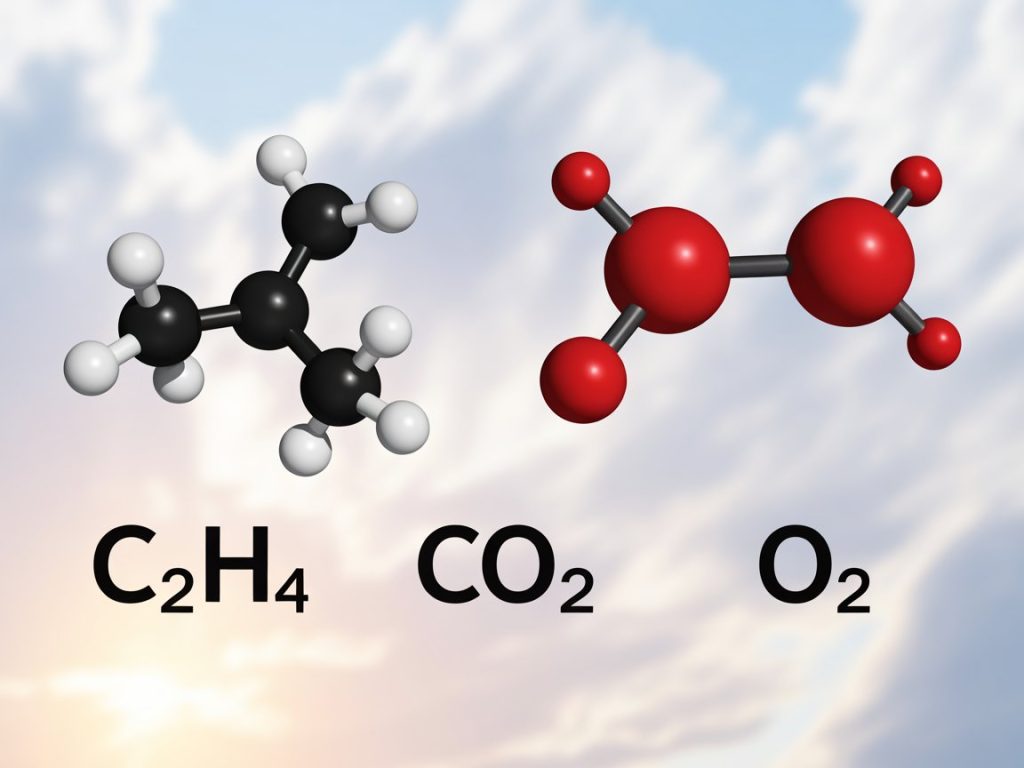
Even small operations storing fruit for just a few days can benefit from monitoring these gases.
Why Small Growers Need Gas Monitoring Systems
Small growers often operate on tighter margins than large producers. A single storage issue can represent a significant financial loss. Gas monitoring systems provide an extra layer of protection by identifying potential problems early.
Here are several ways smaller operations benefit from monitoring gases.
-
Reduced Postharvest Loss
Spoilage and overripening are common causes of postharvest losses. If ethylene accumulates in storage rooms or shipping containers, fruit may ripen faster than expected. By measuring ethylene levels using tools like the Felix Instruments F-900 Portable Ethylene Analyzer, growers can detect buildup before it affects product quality.
Early detection allows growers to improve ventilation or adjust storage conditions.
-
Better Storage Management
Small growers frequently store produce in smaller cold rooms, modified atmosphere bags, or transport containers. Gas conditions in these spaces can change quickly.
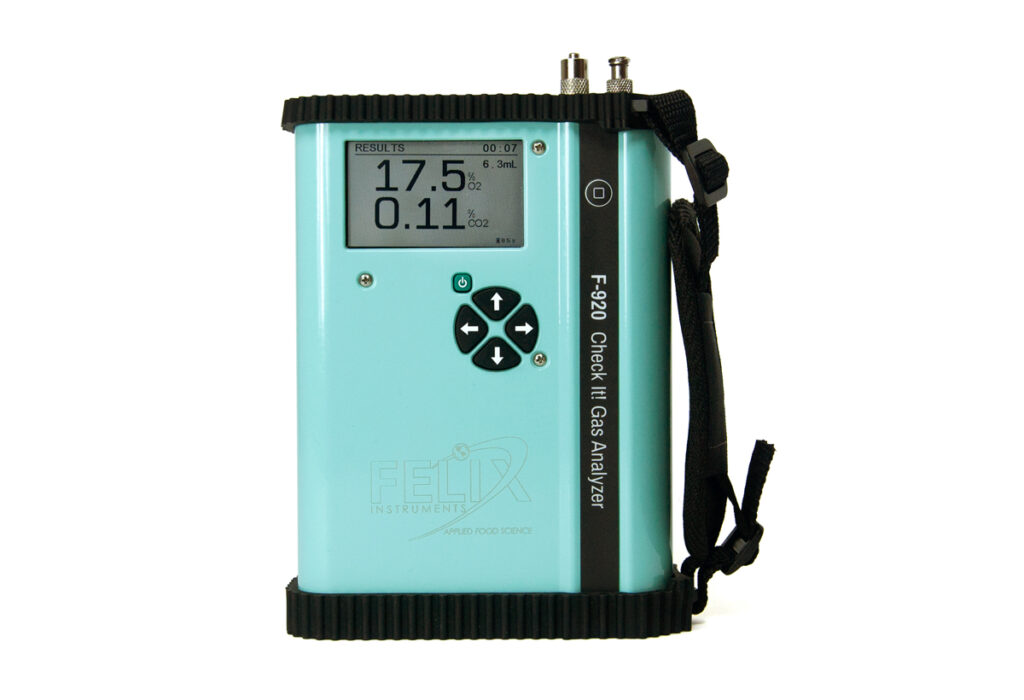
Handheld analyzers such as the Felix Instruments F-920 Check It Gas Analyzer allow growers to measure oxygen and carbon dioxide directly from storage environments. This provides quick confirmation that storage conditions are within safe ranges.
-
Improved Ripening Control
Many growers handle ripening themselves, especially for crops like mangoes, avocados, and bananas. Without monitoring ethylene and other gases, it becomes difficult to manage ripening consistently.
Portable gas monitoring systems help growers:
-
Verify ripening room conditions
-
Track ethylene concentrations
-
Adjust treatments for consistent results
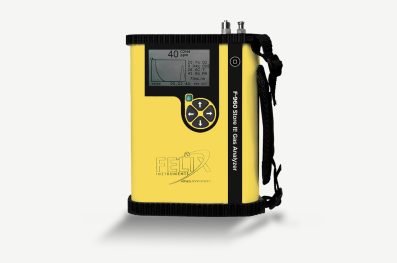
The Felix Instruments F-960 Ripen It Gas Analyzer is designed specifically for ripening applications, allowing growers to monitor ethylene levels with precision.
Portable Technology Has Changed the Game
One reason the myth persists is that traditional gas monitoring systems required fixed installations and expensive infrastructure. That model favored large operations.
Today, portable analyzers offer the same measurement capabilities in compact devices. This shift makes gas monitoring accessible to smaller growers.
Modern handheld instruments offer several advantages:
-
Portable design for field or storage use
-
Quick measurements without complex setup
-
Data logging for tracking storage trends
-
Simple sampling from containers, rooms, or packaging

Devices like the Felix Instruments F-950 Three Gas Analyzer measure ethylene, oxygen, and carbon dioxide in one instrument. For growers managing multiple crops or storage spaces, this versatility is especially useful.
Real World Scenarios Where Small Growers Benefit
Gas monitoring systems are not limited to massive warehouses. They are equally valuable in everyday scenarios common to smaller farms.
Monitoring Cold Storage Rooms
Even small walk in coolers can develop problematic gas levels. Respiration from stored produce gradually changes the internal atmosphere.
By checking gas levels periodically, growers can confirm that ventilation and cooling systems are working properly.
Managing Mixed Produce Storage
Some crops release large amounts of ethylene while others are highly sensitive to it. For example:
-
Apples produce ethylene
-
Leafy greens are sensitive to ethylene
-
Avocados respond strongly to ethylene during ripening
Gas monitoring systems help growers prevent cross contamination between products.
Evaluating Packaging Conditions
Modified atmosphere packaging is widely used to extend shelf life. But gas balance inside these packages must be monitored to confirm that conditions remain stable.
Portable analyzers make it easy to sample gases without damaging packaging.
Shipping and Transport Monitoring
Even short transportation periods can affect produce quality. Monitoring gases inside shipping containers allows growers to verify that conditions remain within safe limits during transit.
Choosing the Right Gas Monitoring System
Not every grower needs the same equipment. The best system depends on crop type, storage scale, and monitoring goals.
Some growers primarily monitor ethylene during ripening. Others need a broader view of storage conditions.
Felix Instruments offers several solutions designed for different applications:
-
F-900 Portable Ethylene Analyzer for precise ethylene detection
-
F-920 Check It Gas Analyzer for oxygen and carbon dioxide monitoring
-
F-950 Three Gas Analyzer for simultaneous measurement of ethylene, O2, and CO2
-
F-960 Ripen It Gas Analyzer for ripening room management
Because these tools are portable and easy to use, they fit well into the workflows of smaller farms and packing operations.
Practical Tips for Small Growers Using Gas Monitoring Systems
Growers who are new to gas monitoring can start with simple routines.
Check storage conditions regularly
Taking routine measurements helps identify trends before they become problems.
Monitor during key stages
The most important times to measure gases include:
-
Immediately after harvest
-
During storage
-
Before shipment
-
During ripening treatments
Keep records of measurements
Tracking gas levels over time helps growers understand how their storage environments behave and refine their management practices.
Ending Note
The idea that gas monitoring systems only benefit large growers is outdated. Advances in portable technology have made these tools practical for operations of every size. Small and mid sized growers can now access the same level of storage insight that large facilities rely on.
By monitoring gases such as ethylene, oxygen, and carbon dioxide, growers gain better control over ripening, storage conditions, and overall produce quality. The result is reduced waste, more consistent product performance, and improved confidence in postharvest management.
Felix Instruments has developed a range of portable gas monitoring systems designed specifically for real world agricultural use. If you want to improve storage management and protect the quality of your harvest, explore the gas analysis solutions available at Felix Instruments to find the right tool for your operation.
Related Products
Most Popular Articles
- Spectrophotometry in 2023
- The Importance of Food Quality Testing
- NIR Applications in Agriculture – Everything…
- The 5 Most Important Parameters in Produce Quality Control
- Melon Fruit: Quality, Production & Physiology
- Fruit Respiration Impact on Fruit Quality
- Guide to Fresh Fruit Quality Control
- Liquid Spectrophotometry & Food Industry Applications
- Ethylene (C2H4) – Ripening, Crops & Agriculture
- Active Packaging: What it is and why it’s important