F-960 Gas Analyzer in Modified Atmosphere Packaging Validation

Scott Trimble

February 5, 2026 at 8:32 pm | Updated February 5, 2026 at 8:32 pm | 4 min read
Modified atmosphere packaging validation depends on one thing above all else: confidence in your gas data. The F-960 gas analyzer is designed for professionals who need to verify oxygen, carbon dioxide, and ethylene levels quickly and reliably across real packaging and storage conditions. In operations where shelf life, consistency, and regulatory compliance matter, having accurate gas measurements is not optional.
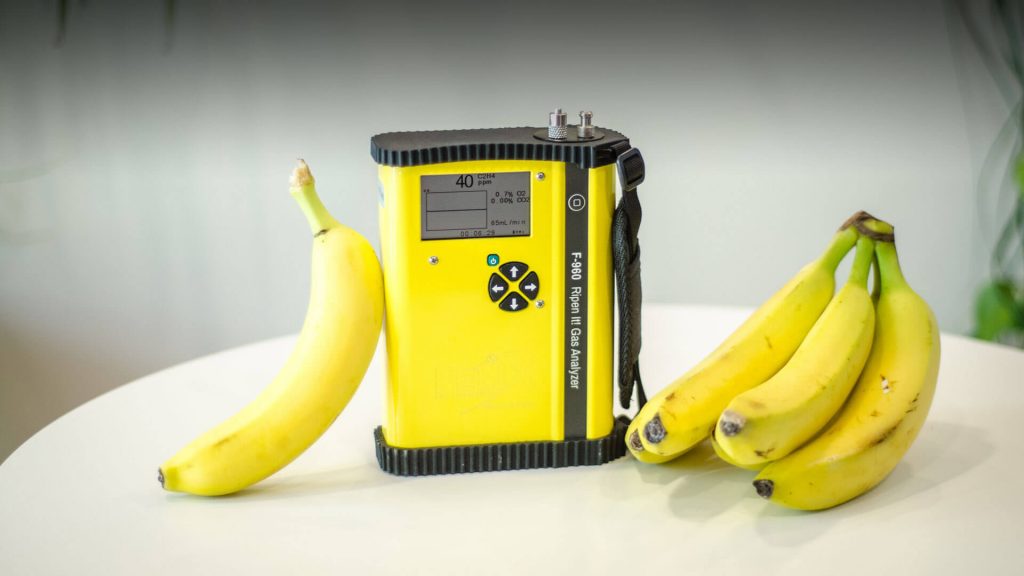
F-960 gas analyzer is an instrument sits at the intersection of packaging validation, quality assurance, and postharvest decision making. It is widely used to confirm that modified atmosphere packaging systems are doing exactly what they are supposed to do.
Why Modified Atmosphere Packaging Validation Matters?
Modified atmosphere packaging, or MAP, is built on controlled gas composition. Small deviations in O2 or CO2 can shift respiration rates, accelerate spoilage, or create anaerobic conditions that compromise food safety. Ethylene adds another layer of complexity, especially for climacteric fruits.
Subscribe to the Felix instruments Weekly article series.
By submitting this form, you are consenting to receive marketing emails from: . You can revoke your consent to receive emails at any time by using the SafeUnsubscribe® link, found at the bottom of every email. Emails are serviced by Constant Contact
Validation ensures that:
-
Packaging materials are performing as specified
-
Sealing and flushing processes are consistent
-
Gas concentrations remain within target ranges over time
-
Products are protected during transport and storage
Without direct measurement, MAP becomes an assumption rather than a verified process.
Where the F-960 Gas Analyzer Fits in Map Workflows
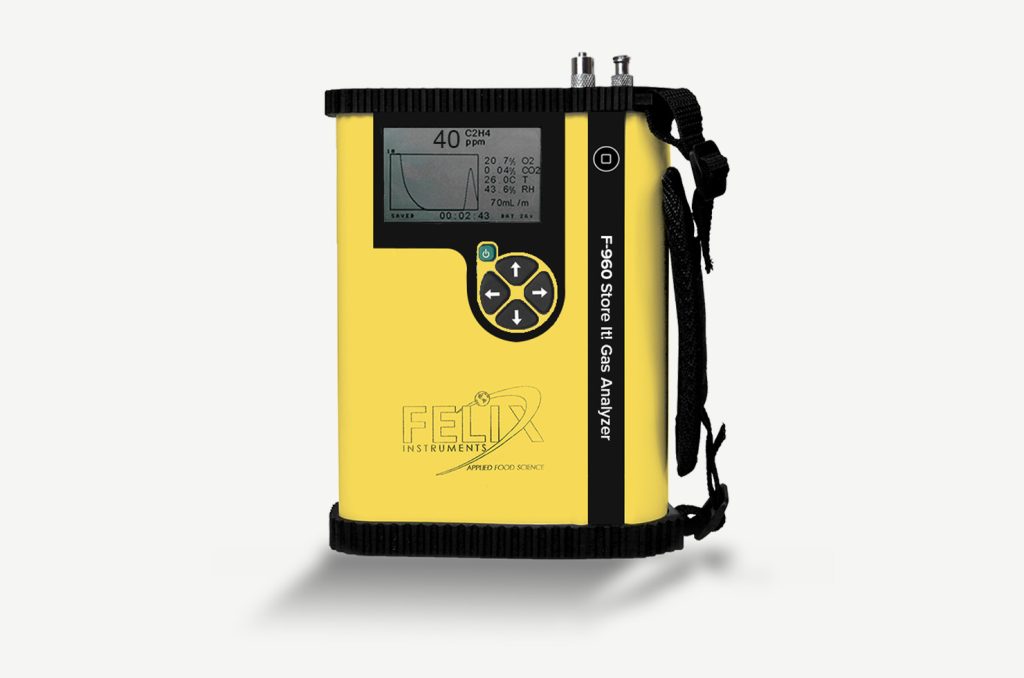
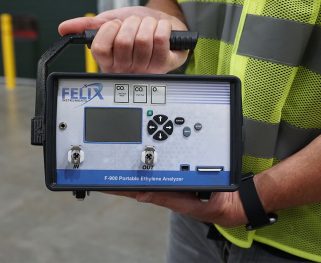
The F-960 gas analyzer is engineered for field and facility use. It allows operators to sample headspace gases directly from sealed packages or storage environments without disrupting workflows.
Typical validation points include:
-
Post-packaging checks on the line
-
Incoming quality audits at distribution centers
-
Shelf life trials during R&D
-
Spot checks during cold storage or transport
Because the F-960 gas analyzer is portable and self-contained, it moves easily between these stages. This flexibility is often what separates it from benchtop or single-gas alternatives.
Key Gases Measured During Map Validation
Effective MAP validation depends on measuring the right gases with sufficient accuracy.
Oxygen
Oxygen concentration directly affects respiration and microbial growth. Too much oxygen shortens shelf life. Too little can lead to fermentation and off flavors.
The F-960 gas analyzer provides fast oxygen readings that help confirm whether packaging films and flush cycles are achieving the intended equilibrium.
Carbon Dioxide
Carbon dioxide is used to suppress respiration and microbial activity. However, excessive CO2 can cause tissue damage or physiological disorders in certain commodities.
Accurate CO2 measurement allows packaging engineers to fine tune gas targets rather than rely on generic specifications.
Ethylene
Ethylene plays a critical role in ripening and senescence. Even trace levels can significantly impact shelf life for sensitive products.
The F-960 gas analyzer measures ethylene alongside O2 and CO2, which is a key advantage for operations handling mixed commodities or long distribution chains.
Advantages of the F-960 Gas Analyzer for Packaging Validation
Several design choices make the F-960 gas analyzer particularly suited for MAP validation.
-
Simultaneous measurement of ethylene, oxygen, and carbon dioxide
-
Portable handheld design for in-line or field use
-
Rapid response times that support high sampling volumes
-
Data logging for validation records and audits
These features reduce the need for multiple instruments and minimize handling errors during testing.
Supporting Compliance and Documentation
Validation is not just a technical process. It is also a documentation exercise. Many quality systems require traceable records that demonstrate packaging performance.
The F-960 gas analyzer supports this need by enabling consistent data collection across operators and locations. Logged measurements can be used to:
-
Support HACCP plans
-
Validate packaging changes
-
Document supplier compliance
-
Investigate shelf life issues
This documentation value is often overlooked but becomes critical during audits or customer reviews.
Comparison to Indirect or Destructive Methods
Some operations still rely on indirect indicators such as weight loss, visual quality, or destructive lab analysis. While useful, these methods have limitations.
Indirect indicators lag behind actual gas changes. Destructive testing reduces sample size and increases labor.
The F-960 gas analyzer allows non-destructive headspace sampling. This means more data points, faster feedback, and fewer assumptions. Over time, this leads to better control rather than reactive troubleshooting.
Integration With Broader Postharvest Strategies
MAP validation does not exist in isolation. It ties directly into harvest timing, cooling protocols, and storage management.
When paired with other analytical tools, gas data becomes part of a larger decision framework. Many users of the F-960 gas analyzer also work with near-infrared quality meters or ethylene monitoring systems to align internal quality with atmospheric conditions.
This integrated approach helps teams move from static specifications to dynamic management based on real measurements.
Practical Examples of F-960 Use in Map Validation
Common real-world applications include:
-
Verifying gas composition in salad kits and fresh-cut produce
-
Monitoring berry packaging during long-distance shipping
-
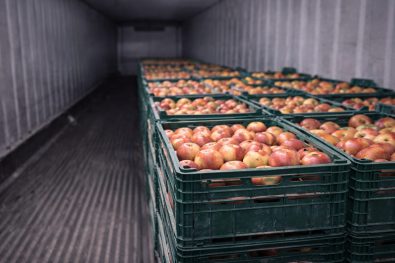
Validating high CO2 systems for apples and pears
-
Checking ethylene levels in mixed produce loads
In each case, the F-960 gas analyzer provides immediate insight that can be acted on before quality is lost.
Why Professionals Choose Felix Instruments?
The F-960 gas analyzer is developed and supported by Felix Instruments, a company known for focusing on practical postharvest tools rather than generic lab equipment.
This focus shows in:
-
Instruments designed specifically for produce applications
-
Long-term sensor stability in real storage environments
-
Support teams that understand postharvest workflows
For MAP validation, this application-driven design matters as much as technical specifications.
Final Thoughts
Modified atmosphere packaging validation depends on accurate, repeatable gas measurements. The F-960 gas analyzer provides a practical solution for measuring oxygen, carbon dioxide, and ethylene where and when it matters. Its portability, multi-gas capability, and data reliability make it a strong choice for packaging validation across fresh produce supply chains.
If your operation depends on MAP performance, now is the time to evaluate whether your current validation tools are giving you the full picture. Contact Felix Instruments to learn how the F-960 gas analyzer can support your packaging validation and quality assurance programs.
Frequently Asked Questions
How Does the F-960 Gas Analyzer Sample Gas From Sealed Packages?
The instrument uses a sampling needle and pump system that allows headspace gas to be withdrawn with minimal package disturbance, making it suitable for validation testing.
Can the F-960 Gas Analyzer Be Used in Cold Storage Environments?
Yes. The instrument is designed for use in typical postharvest environments, including refrigerated storage rooms and distribution facilities.
Is the F-960 Gas Analyzer Suitable for Both Research and Commercial Operations?
It is commonly used in both settings. Researchers value its multi-gas capability, while commercial operators rely on its speed, portability, and ease of use.
Related Products
Most Popular Articles
- Spectrophotometry in 2023
- The Importance of Food Quality Testing
- NIR Applications in Agriculture – Everything…
- The 5 Most Important Parameters in Produce Quality Control
- Melon Fruit: Quality, Production & Physiology
- Fruit Respiration Impact on Fruit Quality
- Guide to Fresh Fruit Quality Control
- Liquid Spectrophotometry & Food Industry Applications
- Ethylene (C2H4) – Ripening, Crops & Agriculture
- Active Packaging: What it is and why it’s important