F-940 for Monitoring Shipping Containers in Long-Haul Fruit Logistics

Scott Trimble

February 5, 2026 at 7:55 pm | Updated February 5, 2026 at 7:55 pm | 5 min read
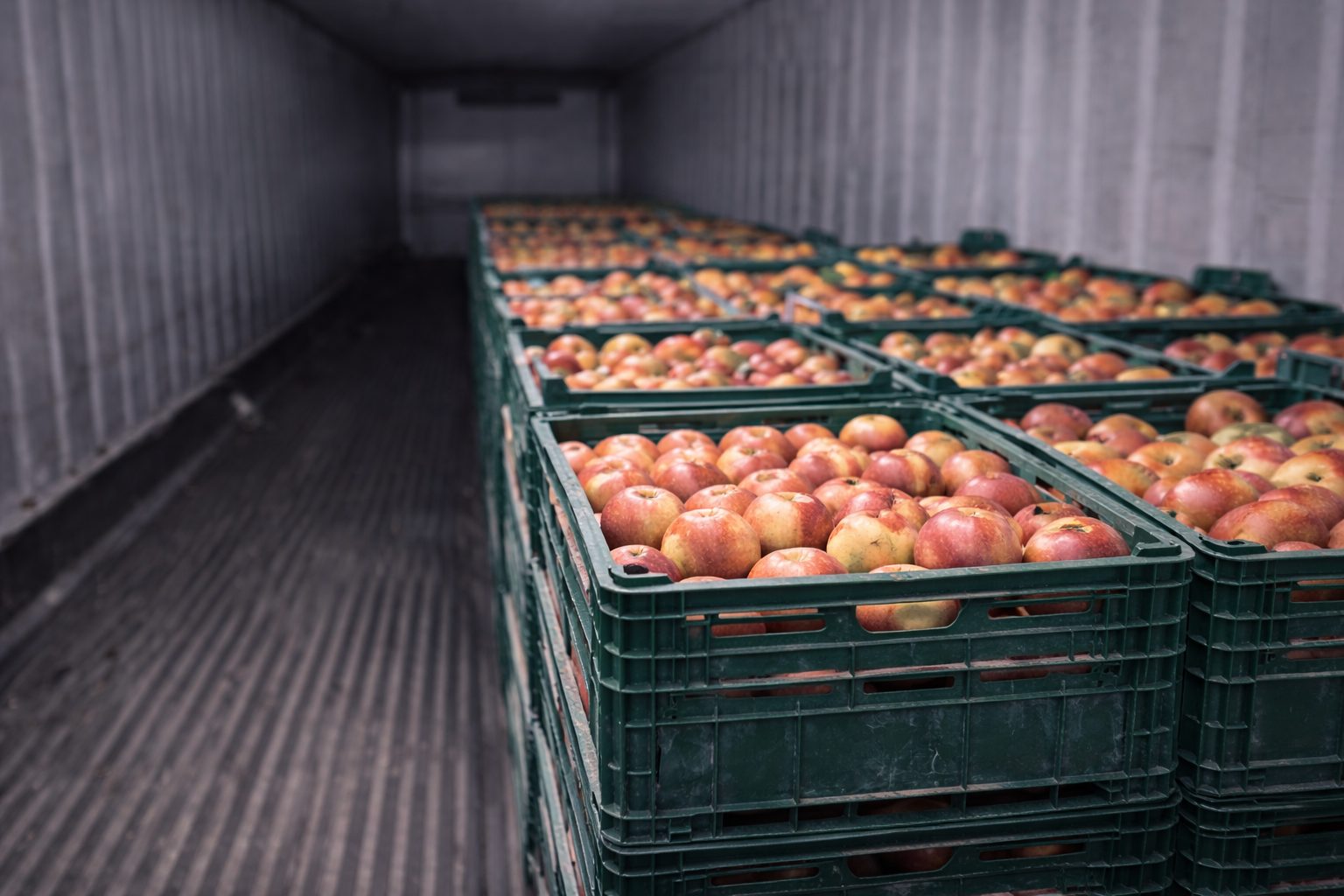
In long-haul fruit logistics, the F-940 gas analyzer has become a practical tool for teams that need visibility into atmosphere conditions inside shipping containers. When fruit is on the water for weeks or moving across continents by rail, small shifts in oxygen, carbon dioxide, or ethylene can quietly undo months of careful postharvest work.
The F 940 gas analyzer gives logistics and quality teams a way to measure those conditions directly, rather than guessing based on external settings or historical averages.
Shipping containers today are more advanced than ever, with controlled and modified atmosphere systems becoming standard for apples, pears, kiwifruit, avocados, and other climacteric fruit.
Subscribe to the Felix instruments Weekly article series.
By submitting this form, you are consenting to receive marketing emails from: . You can revoke your consent to receive emails at any time by using the SafeUnsubscribe® link, found at the bottom of every email. Emails are serviced by Constant Contact
Still, even the best systems need verification. Sensors drift, valves fail, and loading patterns change airflow. The F-940 analyzer is used in the field to confirm that the internal atmosphere matches the target profile, container by container.
Why Container Atmosphere Matters in Long-Haul Shipping
Fruit physiology does not pause once a container door is closed. Respiration continues, ethylene is produced, and stress responses can accelerate if conditions drift out of range. Over a long voyage, even minor deviations can compound.
Key risks during long-haul shipping include:
-
Excess oxygen increasing respiration and softening
-
Elevated carbon dioxide causing internal browning or off-flavors
-
Ethylene accumulation triggering premature ripening
-
Uneven conditions between pallets or zones in the container
Relying solely on the container’s control system does not always reveal these problems. The F-940 gas analyzer allows spot checks at loading, during inspections, and at arrival, giving a real measurement of what the fruit experienced.
What the F-940 Gas Analyzer Measures
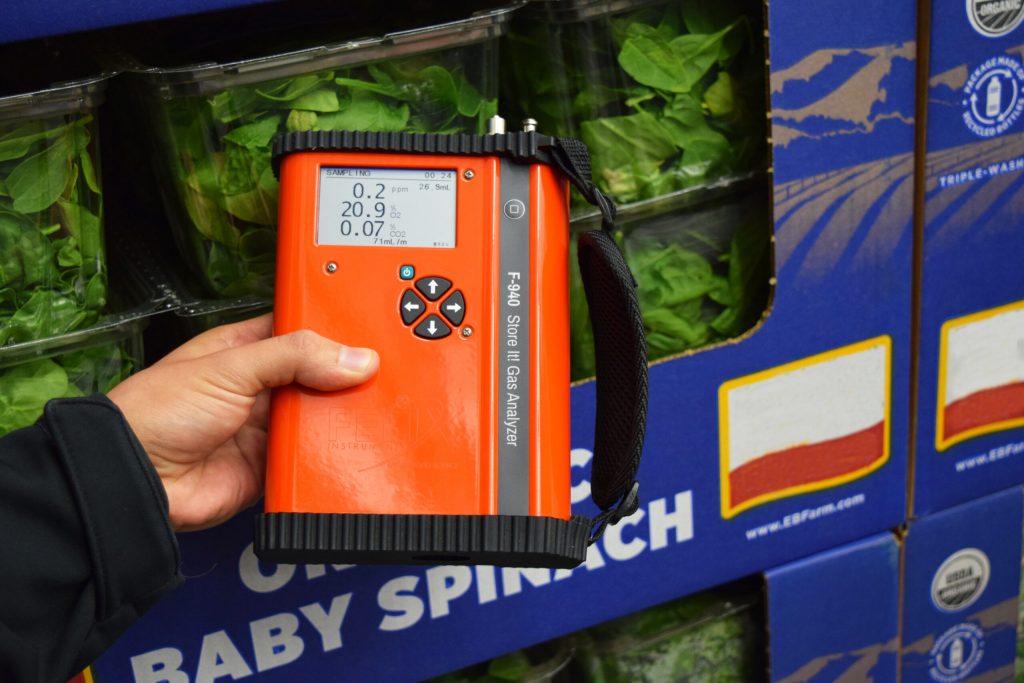
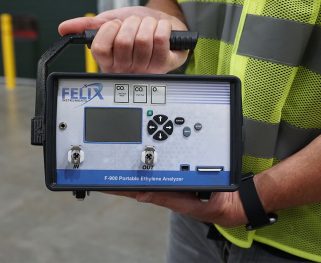
The F-940 gas analyzer is built to measure oxygen, carbon dioxide, and ethylene in a single handheld device. This combination is particularly useful for shipping containers because all three gases interact to influence fruit behavior.
Oxygen levels indicate whether respiration is being effectively suppressed. Carbon dioxide reflects both respiration and the balance of scrubbing or venting systems. Ethylene provides insight into ripening pressure inside the load, even at very low concentrations.
For logistics teams, having these measurements together simplifies decision-making. Instead of juggling multiple instruments or relying on indirect indicators, the F 940 analyzer delivers a clear snapshot of the container atmosphere.
Designed for Real-World Container Checks
Shipping environments are not laboratories. Measurements often happen on docks, in cold storage yards, or at inland depots with limited time and space. The F-940 gas analyzer is designed with these constraints in mind.
Practical features for container monitoring include:
-
Portable handheld format that can be carried onto vessels or rail yards
-
Fast response time for quick checks through septa or sampling ports
-
Internal data logging for traceability and reporting
-
Battery-powered operation suitable for field use
These details matter when inspectors or quality managers are moving through dozens of containers in a short window. The instrument supports consistent workflows rather than slowing them down.
Using the F-940 Gas Analyzer at Key Logistics Stages
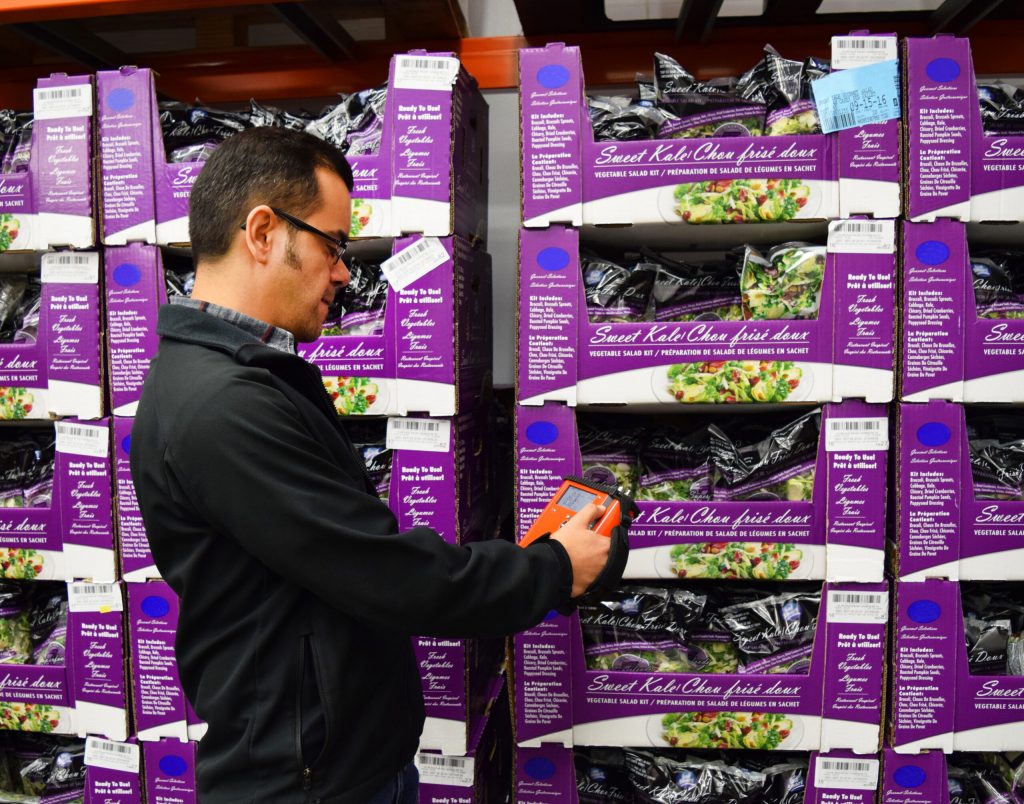
The value of the F 940 analyzer increases when it is integrated into multiple points of the logistics chain rather than used only at destination.
At loading
During stuffing, the instrument can confirm that atmosphere conditions are within specification before doors are sealed. This helps catch setup errors early, such as incorrect gas flushing or malfunctioning control units.
During transit inspections
For shipments that include mid-route inspections, the F 940 analyzer allows verification without fully unloading or disrupting the container. Sampling ports make it possible to assess conditions quickly.
At arrival
Upon arrival, atmosphere data provides context for fruit condition. If quality issues are observed, gas measurements help distinguish between preharvest factors, handling damage, and atmosphere-related stress.
Supporting Quality Assurance and Claims Management
Long-haul fruit logistics often involve multiple parties, including growers, exporters, shipping lines, and importers. When quality disputes arise, objective data becomes critical.
The F 940 gas analyzer supports quality assurance by creating a documented record of container conditions. Logged measurements can be reviewed alongside temperature records and transit timelines.
This data-driven approach reduces speculation and helps teams focus on corrective actions rather than blame.
For claims management, having verified atmosphere readings strengthens discussions with partners and insurers. It demonstrates due diligence and provides evidence of whether the container environment stayed within agreed parameters.
Advantages Compared to Fixed Container Sensors
Many containers include built-in sensors, but these systems have limitations. Fixed sensors measure conditions at a single point and may not reflect variations throughout the load. They also depend on calibration and maintenance that may not be visible to the cargo owner.
The F-940 gas analyzer complements these systems by offering independent verification. It can be used at different locations within a container over time, revealing gradients or localized issues. This flexibility is one reason it is often favored by quality managers who want more than a single data stream.
Fit Within a Broader Postharvest Toolkit
In practice, the F-940 gas analyzer is often used alongside other postharvest instruments rather than in isolation. Teams may pair gas measurements with firmness, soluble solids, or dry matter assessments at arrival. Together, these data points provide a fuller picture of how shipping conditions influenced final fruit quality.
This integrated approach aligns with how experienced logistics professionals think. No single measurement tells the whole story, but accurate gas data is a foundational piece.
Why Logistics Teams Choose Felix Instruments
The F-940 gas analyzer is developed and supported by Felix Instruments, a company known for focusing on applied postharvest measurement rather than purely academic tools. Our instruments are designed to be used by practitioners in orchards, packinghouses, and ports, not just in research labs.
For long-haul fruit logistics, that emphasis shows up in durability, usability, and long-term support. Teams investing in the F-940 gas analyzer are typically looking for a tool that can be deployed across seasons and routes, not a short-term experiment.
Summary
As shipping routes grow longer and market requirements become stricter, understanding container atmosphere is no longer optional. The F-940 gas analyzer gives fruit logistics professionals direct insight into oxygen, carbon dioxide, and ethylene levels inside shipping containers.
If you are evaluating ways to reduce risk and improve consistency in long-haul fruit shipments, consider how the F-940 gas analyzer fits into your monitoring strategy. To learn more about specifications, applications, and support, contact Felix Instruments and speak with our team about your logistics challenges.
Frequently Asked Questions
What Types of Fruit Benefit Most From Monitoring With the F-940 Gas Analyzer?
Climacteric fruits such as apples, pears, avocados, kiwifruit, and mangoes benefit most because their respiration and ethylene production are highly sensitive to atmosphere conditions.
Can the F-940 Gas Analyzer Be Used on Both Controlled and Modified Atmosphere Containers?
Yes. The instrument is suitable for checking both controlled atmosphere and modified atmosphere containers, as well as standard refrigerated containers where gas buildup may still occur.
How Often Should Containers Be Checked During Long-Haul Transport?
Best practice varies by commodity and route, but many teams measure at loading and arrival as a minimum, with additional checks during transit when access is available or when shipments are high value.
Related Products
Most Popular Articles
- Spectrophotometry in 2023
- The Importance of Food Quality Testing
- NIR Applications in Agriculture – Everything…
- The 5 Most Important Parameters in Produce Quality Control
- Melon Fruit: Quality, Production & Physiology
- Fruit Respiration Impact on Fruit Quality
- Guide to Fresh Fruit Quality Control
- Liquid Spectrophotometry & Food Industry Applications
- Ethylene (C2H4) – Ripening, Crops & Agriculture
- Active Packaging: What it is and why it’s important
Related Reading