Continuous Ethylene and CO₂ Logging in Tomato Storage Facilities

Scott Trimble

February 5, 2026 at 8:46 pm | Updated February 5, 2026 at 8:56 pm | 5 min read
Continuous ethylene and CO₂ logging has become a core practice in modern tomato storage facilities. Tomatoes are highly sensitive to their storage atmosphere, and small changes in ethylene or carbon dioxide levels can shift ripening speed, firmness, color development, and shelf life.
For operators managing large volumes across multiple rooms, spot checks are no longer enough. Continuous data provides visibility, confidence, and control in environments where timing matters.
In tomato storage, ethylene drives ripening while CO₂ acts as both a stress indicator and a quality signal. Logging these gases over time gives operators a way to understand what is really happening inside sealed rooms, bins, or modified atmosphere systems.
Subscribe to the Felix instruments Weekly article series.
By submitting this form, you are consenting to receive marketing emails from: . You can revoke your consent to receive emails at any time by using the SafeUnsubscribe® link, found at the bottom of every email. Emails are serviced by Constant Contact
Instead of reacting after quality issues appear, teams can make adjustments early and with precision.
Why Tomatoes Demand Continuous Gas Monitoring?
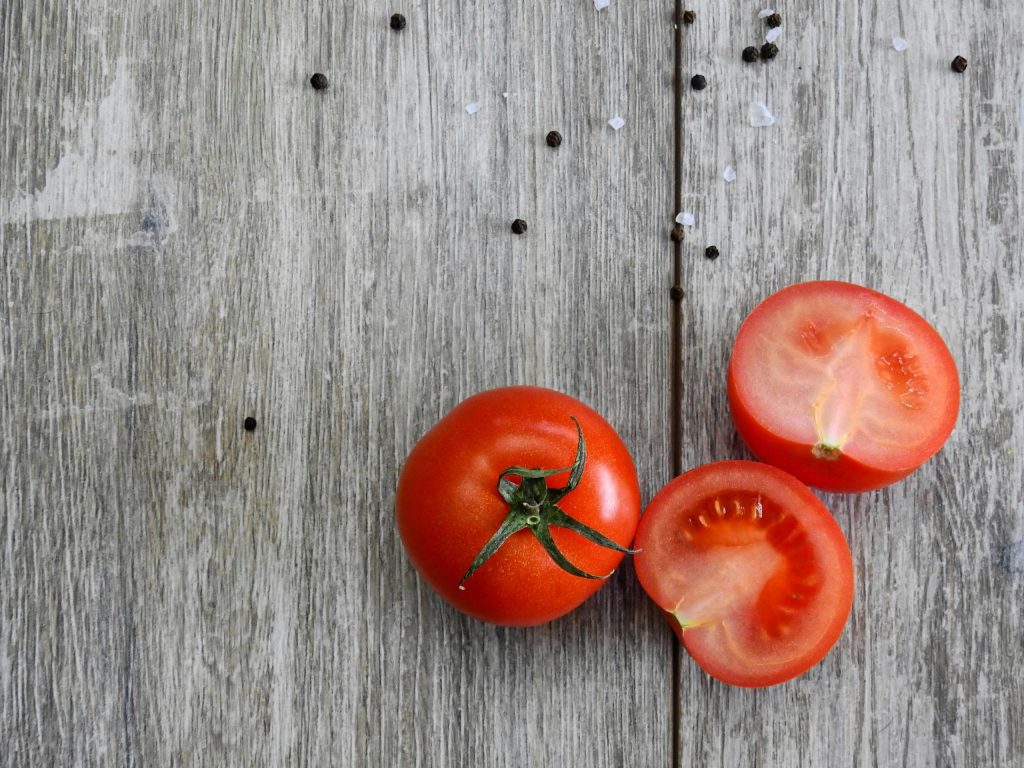
Tomatoes are climacteric fruit, meaning they continue to ripen after harvest and produce ethylene as part of that process. Once ethylene starts to accumulate, ripening accelerates quickly.
In a storage room with uneven airflow or mixed maturity lots, localized ethylene buildup can lead to inconsistent color and softness across pallets.
CO₂ adds another layer.
Elevated carbon dioxide can slow respiration at moderate levels, but excessive CO₂ stresses fruit and leads to off flavors, uneven ripening, or internal breakdown. Without continuous logging, these conditions often go unnoticed until quality complaints surface.
Continuous ethylene and CO₂ logging helps storage managers:
-
Track ripening progression across time instead of relying on single measurements
-
Detect equipment issues like ventilation failures or leaking rooms
-
Compare storage performance between rooms or facilities
-
Build historical data that improves future storage protocols
For tomatoes destined for retail programs with tight delivery windows, this level of insight is no longer optional.
Limitations of Manual Sampling in Tomato Rooms
Manual gas sampling still has a place, but it comes with clear limits. Handheld checks provide a snapshot, not a story. Ethylene levels can spike overnight. CO₂ can climb during periods of reduced airflow.
If sampling happens once per day or less, critical changes are missed.
Manual methods also introduce variability. Sampling location, timing, and technique all influence readings. In busy facilities, consistency is difficult to maintain. Continuous logging removes these variables by collecting data at fixed intervals from the same location.
In tomato storage facilities that run multiple rooms simultaneously, continuous ethylene and CO₂ logging simplifies oversight. Instead of walking each room with a handheld device, operators review trends, set thresholds, and respond only when action is required.
How Continuous Ethylene and Co₂ Logging Works in Practice?
A typical system places gas sensors directly in the storage environment or connects them to sampling lines that pull air from sealed rooms. Measurements are recorded automatically at set intervals, often every few minutes. Over time, this creates a detailed profile of gas behavior throughout the storage cycle.
For tomatoes, this profile often reveals patterns such as:
-
Gradual ethylene rise as fruit moves from breaker to turning stage
-
CO₂ accumulation during periods of high respiration
-
Rapid gas changes after door openings or fan adjustments
With continuous ethylene and CO₂ logging, these patterns become actionable data. Storage managers can correlate gas trends with firmness tests, color readings, and shipment outcomes.
Instrumentation Designed for Produce Environments
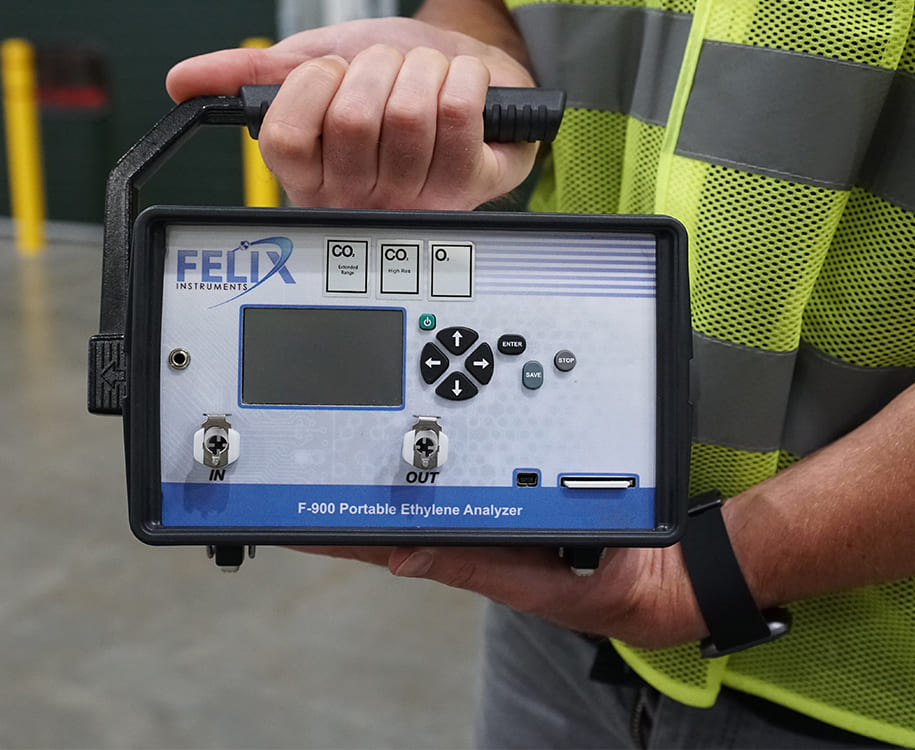
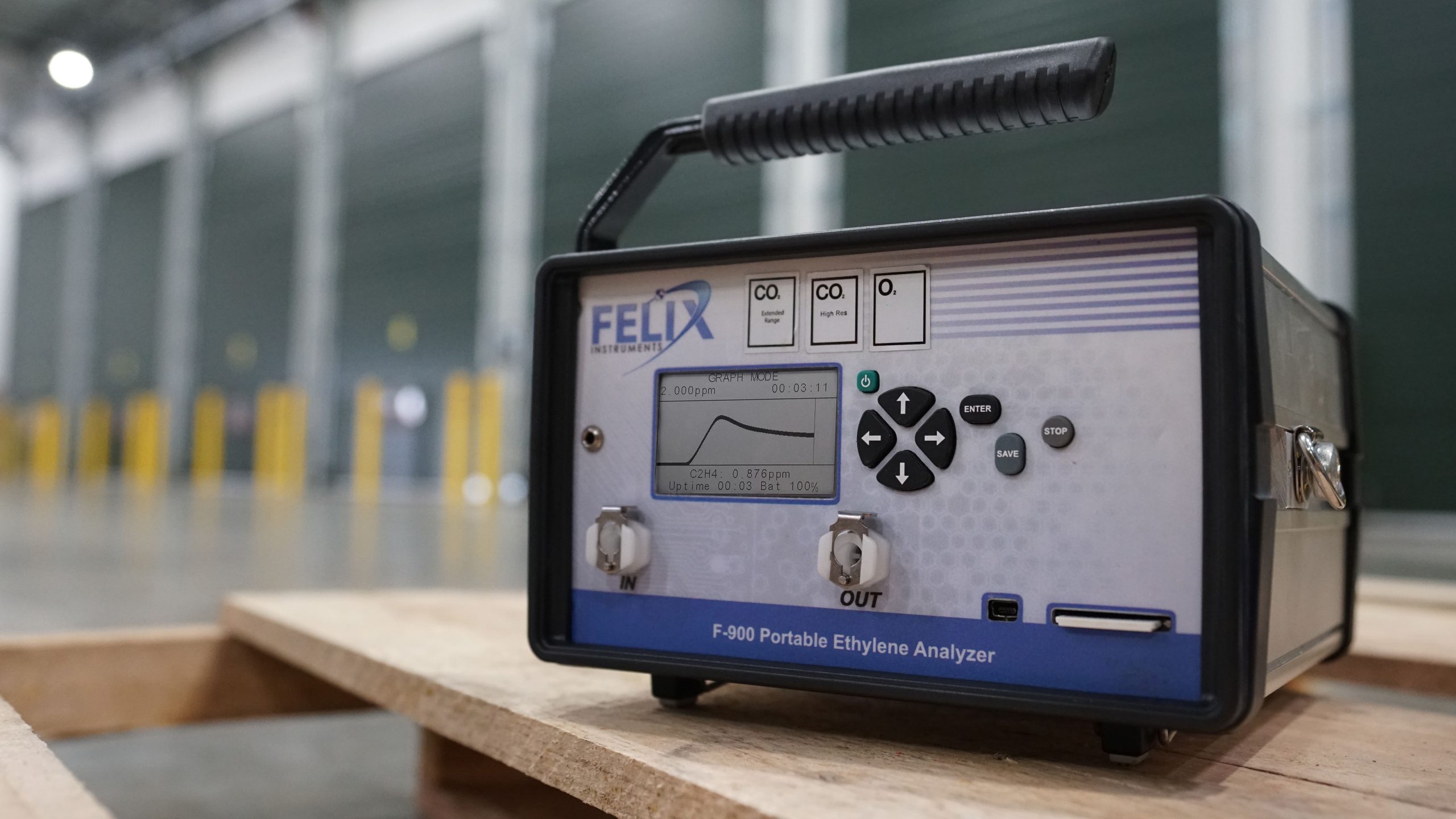
Not all gas analyzers are suited for produce storage. Tomato facilities require instruments that are stable at low gas concentrations, resistant to humidity, and simple enough for routine use. Portability also matters, especially when systems are shared between rooms or buildings.
Felix Instruments has focused much of its product development on these exact conditions. Our gas analyzers are widely used in postharvest research and commercial storage because they balance laboratory-grade accuracy with practical field deployment.
For ethylene monitoring, instruments in the Felix portfolio measure down to parts-per-billion levels, which is critical for tomatoes where small increases can have outsized effects. For CO₂, stable infrared sensors allow long-term logging without frequent recalibration.
Integrating Continuous Logging Into Tomato Workflows
Successful continuous ethylene and CO₂ logging is less about hardware and more about integration. Data only adds value when it fits into existing workflows. In tomato storage facilities, this usually means aligning gas data with ripening schedules, inventory tracking, and quality checks.
Common integration steps include:
-
Defining target ethylene and CO₂ ranges for each maturity stage
-
Setting alerts when gases move outside acceptable limits
-
Reviewing trend data during weekly quality meetings
-
Using historical logs to refine ventilation and scrubbing strategies
Over time, teams begin to trust the data. Decisions shift from intuition to evidence, especially during high-pressure periods when multiple lots are moving quickly.
Benefits Beyond Ripening Control
While ripening management is the primary driver, continuous ethylene and CO₂ logging delivers secondary benefits that often matter just as much. Consistent monitoring reduces waste by catching issues early. It improves communication between storage operators and quality teams by providing a shared reference point.
It also supports compliance and reporting. Retail customers increasingly expect documentation that demonstrates control over storage conditions. Continuous logs provide that record without extra labor.
For facilities experimenting with lower temperature storage or alternative atmosphere strategies, continuous data reduces risk. Operators can test new approaches while closely watching gas behavior and fruit response.
Scaling Monitoring Across Large Tomato Operations
As tomato operations scale, manual oversight becomes harder. Facilities may run dozens of rooms across multiple sites. Continuous ethylene and CO₂ logging makes centralized monitoring possible. Data can be reviewed remotely, compared across rooms, and analyzed over entire seasons.
This scalability is where purpose-built instruments stand out. Systems designed for produce environments require less maintenance and deliver more consistent data over long periods. That reliability is essential when decisions affect millions of pounds of tomatoes.
Looking Ahead in Tomato Storage Management
The role of data in postharvest handling continues to grow. Continuous ethylene and CO₂ logging is no longer just a research tool. It is becoming standard practice in commercial tomato storage facilities that prioritize consistency and efficiency.
As analytics improve, gas data will increasingly be combined with temperature, humidity, and airflow information. Together, these datasets will allow even finer control of ripening and quality outcomes.
Summary
Continuous ethylene and CO₂ logging gives tomato storage facilities a clearer view of ripening dynamics and storage performance. By moving beyond spot checks and embracing continuous data, operators gain control, reduce losses, and improve consistency across shipments.
For facilities looking to implement or expand continuous gas monitoring, Felix Instruments offers a range of analyzers designed specifically for produce storage and postharvest environments. Our tools are built to deliver reliable ethylene and CO₂ data where it matters most. Visit Felix Instruments to explore solutions that support smarter tomato storage decisions.
Related Products
- F-751 Grape Quality Meter
- Custom Model Building
- F-910 AccuStore
- F-751 Melon Quality Meter
- F-751 Kiwifruit Quality Meter
- F-750 Produce Quality Meter
- F-751 Avocado Quality Meter
- F-751 Mango Quality Meter
- F-900 Portable Ethylene Analyzer
- F-950 Three Gas Analyzer
- F-920 Check It! Gas Analyzer
- F-960 Ripen It! Gas Analyzer
- F-940 Store It! Gas Analyzer
Most Popular Articles
- Spectrophotometry in 2023
- The Importance of Food Quality Testing
- NIR Applications in Agriculture – Everything…
- The 5 Most Important Parameters in Produce Quality Control
- Melon Fruit: Quality, Production & Physiology
- Fruit Respiration Impact on Fruit Quality
- Guide to Fresh Fruit Quality Control
- Liquid Spectrophotometry & Food Industry Applications
- Ethylene (C2H4) – Ripening, Crops & Agriculture
- Active Packaging: What it is and why it’s important