Choosing a Portable Analyzer That Meets HACCP and FSMA Compliance

Scott Trimble

February 5, 2026 at 9:59 pm | Updated February 5, 2026 at 10:43 pm | 5 min read
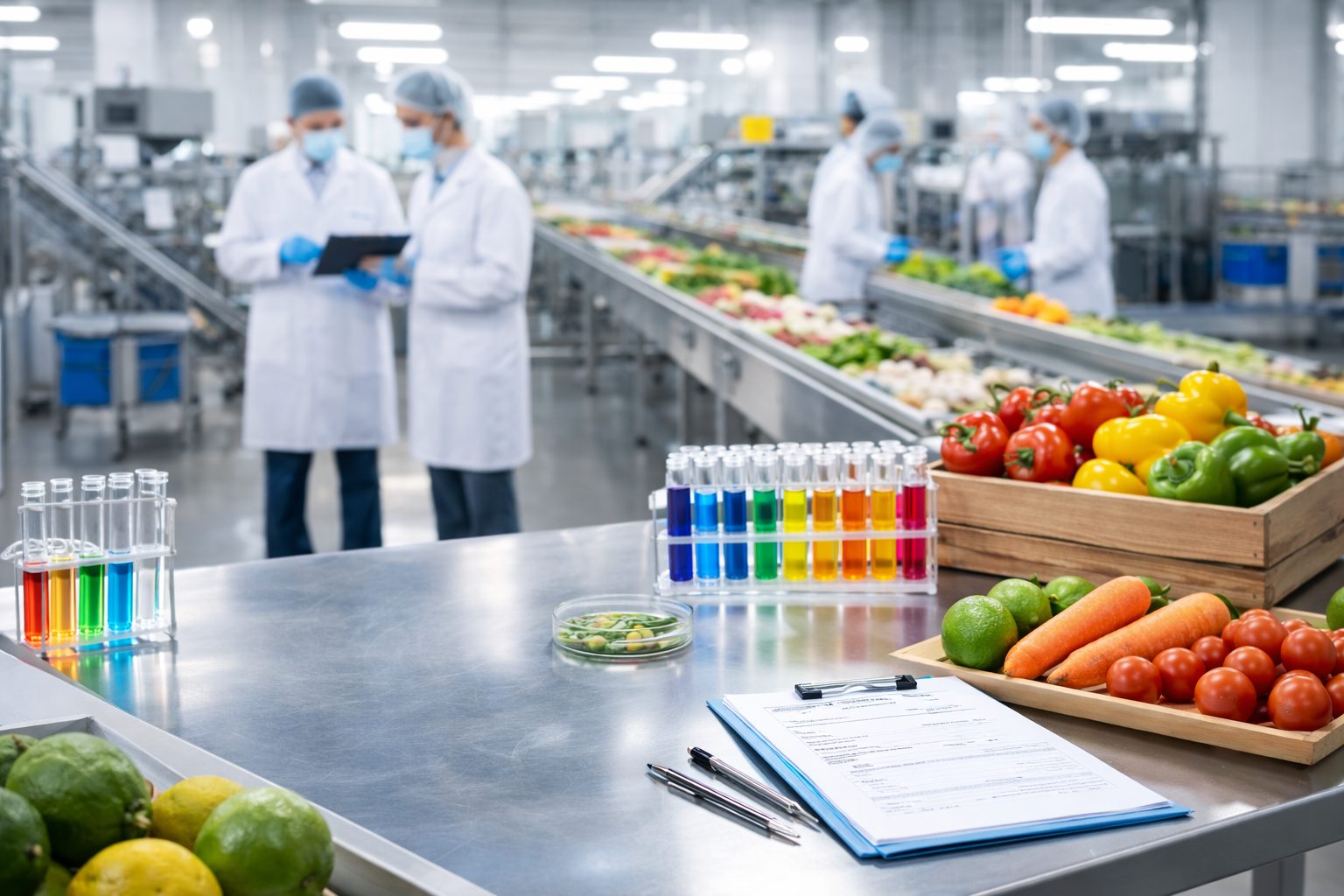
Selecting a portable gas analyzer that supports HACCP and FSMA compliance is no longer optional for food and produce operations. It is a practical requirement tied directly to food safety plans, preventive controls, and verification records. A well chosen portable gas analyzer allows teams to monitor critical control points, document storage and ripening conditions, and respond quickly when conditions drift outside acceptable limits.
In this article, we will focus on how to choose a portable gas analyzer that aligns with HACCP and FSMA requirements, why measurement accuracy and usability matter, and how modern handheld instruments fit into real world workflows.
Why HACCP and FSMA Require Better On Site Measurements
HACCP is built around identifying hazards and controlling them at specific points in the process. FSMA expands this approach by emphasizing preventive controls, documentation, and accountability. In cold storage rooms, controlled atmosphere facilities, ripening rooms, and transport containers, gases like ethylene, oxygen, and carbon dioxide directly influence product safety and quality.
Subscribe to receive our monthly round-up of articles.
A portable gas analyzer supports compliance by allowing staff to:
-
Verify that atmospheric conditions match documented limits
-
Detect deviations early before product quality or safety is affected
-
Create records that support audits and inspections
-
Reduce reliance on fixed sensors that may not reflect localized conditions
Unlike stationary systems, a portable gas analyzer can be used wherever verification is needed. This flexibility matters when facilities handle multiple commodities, shift storage configurations, or work across several locations.
Key Gases Relevant to Food Safety and Quality
Not every operation needs the same measurements, but most HACCP and FSMA programs involve one or more of the following gases.
Ethylene
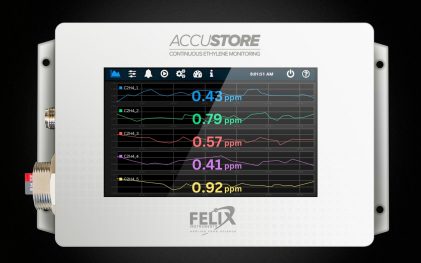
Ethylene drives ripening and senescence in many fruits. Excess ethylene can shorten shelf life, accelerate spoilage, and complicate inventory control. Monitoring ethylene is critical in ripening rooms, storage areas, and transport environments.
Oxygen
Low oxygen environments are used to slow respiration, but oxygen levels that are too low can create anaerobic conditions. This introduces food safety concerns and regulatory scrutiny. Accurate oxygen measurement is essential for controlled atmosphere storage.
Carbon Dioxide
Carbon dioxide is often elevated to suppress respiration or microbial growth. However, excessive levels can damage produce or indicate ventilation problems. CO2 monitoring helps verify that systems are operating as intended.
A portable gas analyzer that measures one or more of these gases gives teams the data needed to justify controls under HACCP and FSMA.
What to Look for in a Portable Gas Analyzer
Choosing the right instrument involves more than checking a specification sheet. The following factors directly affect compliance and day to day usability.
Accuracy and Repeatability
Regulatory frameworks depend on reliable data. A portable gas analyzer must deliver consistent results across repeated measurements and changing environments. This is especially important when results are used to support corrective actions or audit documentation.
Sensor Technology
Electrochemical, infrared, and photoacoustic sensors each have strengths. Instruments designed specifically for food and produce applications tend to balance sensitivity with durability, reducing drift and maintenance demands.
Calibration and Maintenance
Frequent calibration requirements can slow operations and introduce errors. A portable gas analyzer designed for field use should support stable calibration intervals and straightforward verification procedures.
Data Logging and Traceability
FSMA places strong emphasis on records. Built in data logging, time stamps, and export options make it easier to integrate measurements into compliance documentation without adding manual steps.
Ease of Use
HACCP plans rely on consistent execution by staff with varying levels of technical experience. A portable gas analyzer should be intuitive, fast to deploy, and easy to interpret in the field.
Matching the Analyzer to the Application
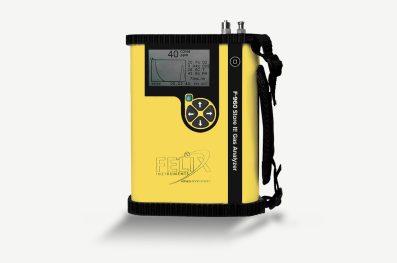
Different stages of the supply chain require different measurement priorities. One advantage of modern handheld instruments is that they are often purpose built for specific tasks.
For Spot Checks in Storage and Transport
Single gas instruments focused on ethylene are often sufficient. These tools allow rapid verification without overcomplicating the process.
For Controlled Atmosphere Storage
Multi gas analyzers that measure oxygen and carbon dioxide alongside ethylene provide a more complete picture. This supports tighter control limits and more defensible documentation.
For Ripening Rooms
High sensitivity ethylene measurement combined with CO2 and O2 data helps teams fine tune ripening protocols while staying within documented parameters.
Using the right portable gas analyzer for each application reduces guesswork and strengthens preventive controls.
Why Handheld Instruments Outperform Generic Sensors
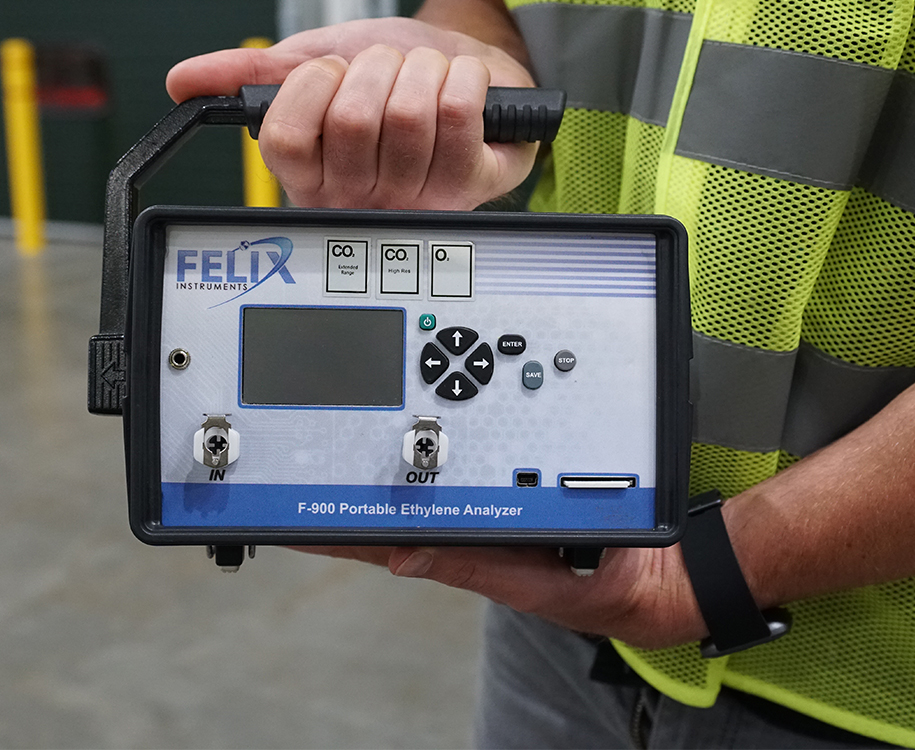
Generic industrial gas sensors are widely available, but they are not always well suited for food safety applications. Portable analyzers designed for produce and food environments account for humidity, temperature variation, and the specific concentration ranges relevant to storage and ripening.
Purpose built instruments also tend to emphasize:
-
Fast response times for walk through inspections
-
Sampling systems designed for bins, boxes, and rooms
-
Measurement ranges aligned with produce physiology rather than industrial safety thresholds
This focus makes the data more meaningful in a HACCP or FSMA context.
How Felix Instruments Supports Compliance
Related Products
Most Popular Articles
- Spectrophotometry in 2023
- NIR Applications in Agriculture – Everything…
- The Importance of Food Quality Testing
- The 5 Most Important Parameters in Produce Quality Control
- Melon Fruit: Quality, Production & Physiology
- Fruit Respiration Impact on Fruit Quality
- Guide to Fresh Fruit Quality Control
- Liquid Spectrophotometry & Food Industry Applications
- Ethylene (C2H4) – Ripening, Crops & Agriculture
- Understanding Chemometrics for NIR Spectroscopy