Buyer’s Checklist: Ethylene Monitors for Ripening Rooms and CA Storage
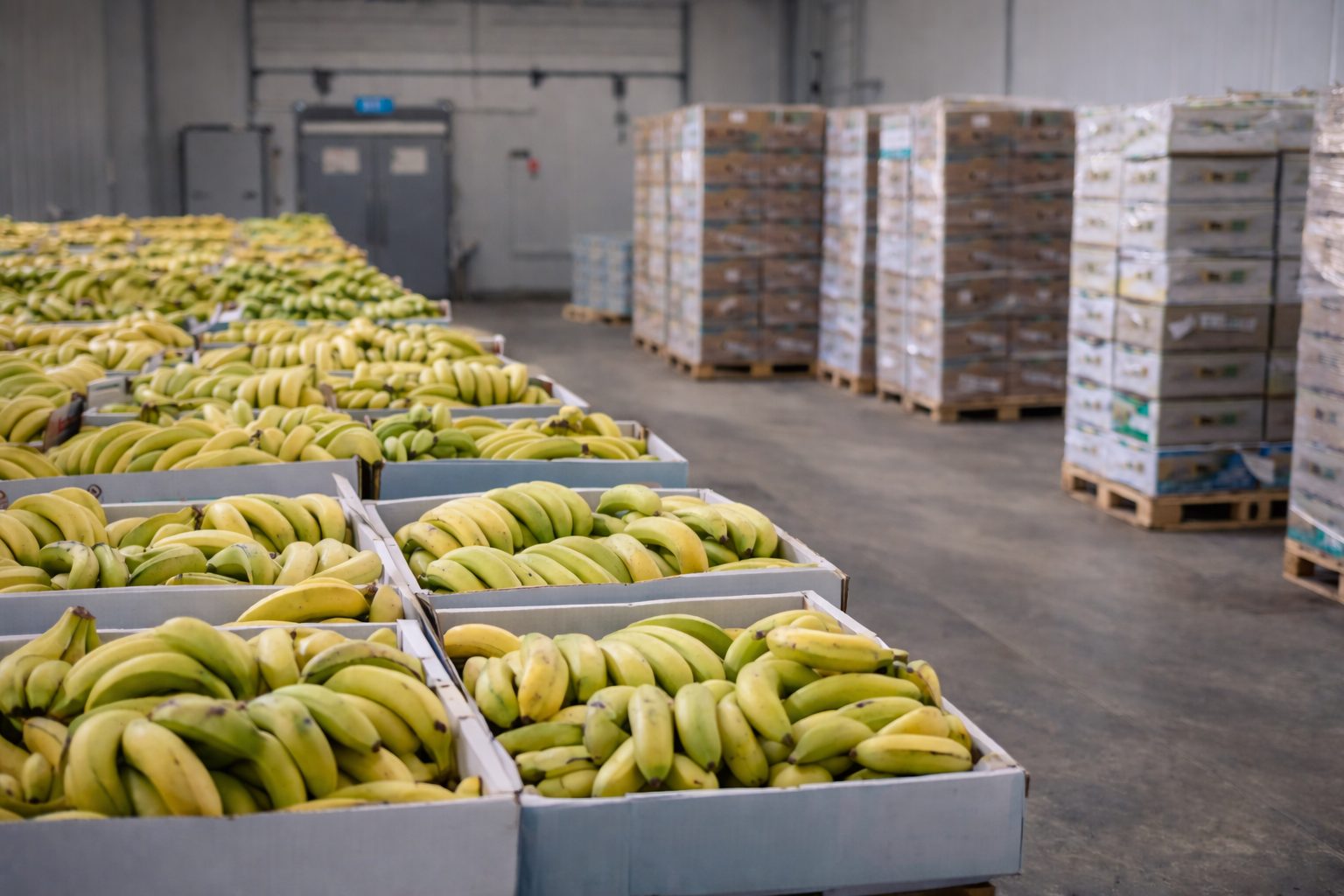

Scott Trimble

February 5, 2026 at 11:25 pm | Updated February 5, 2026 at 11:25 pm | 5 min read
Choosing the right ethylene monitors for ripening rooms and CA storage is not just a purchasing decision. It directly affects fruit quality, shelf life, and operational consistency. Ethylene drives ripening, but unmanaged ethylene shortens storage windows and creates uneven results. A good ethylene monitor gives you visibility, confidence, and control. A poor one becomes another box on the wall that nobody fully trusts.
This checklist is written for buyers who already understand postharvest physiology and want practical guidance. The goal is to help you evaluate ethylene monitors for ripening rooms and CA storage based on how they are actually used in commercial environments.
Why Ethylene Monitoring Matters in Ripening Rooms and CA Storage
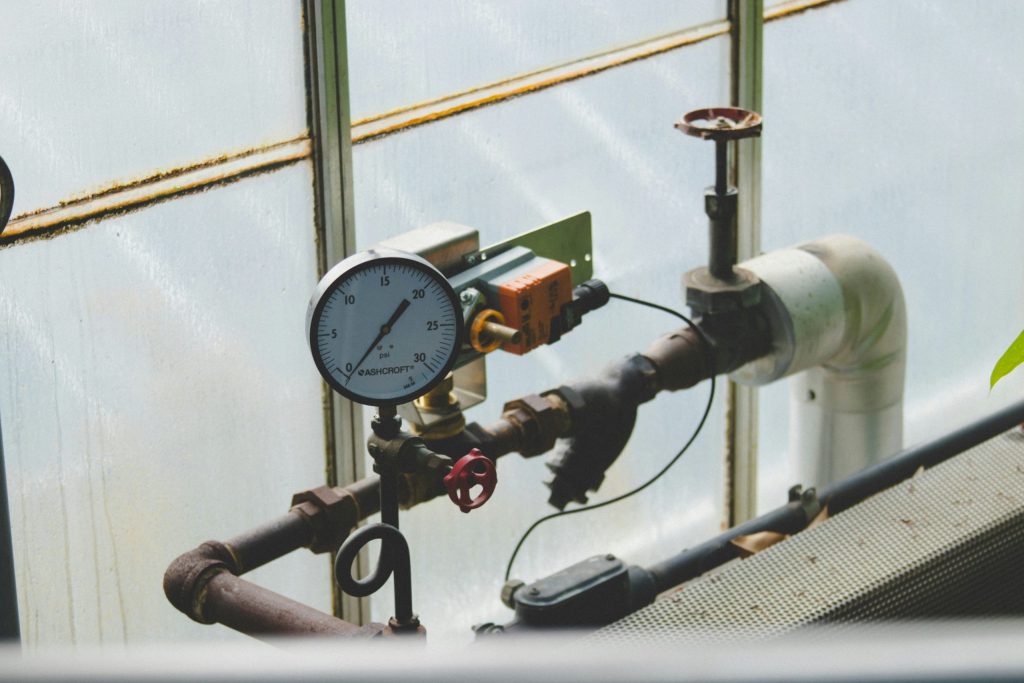
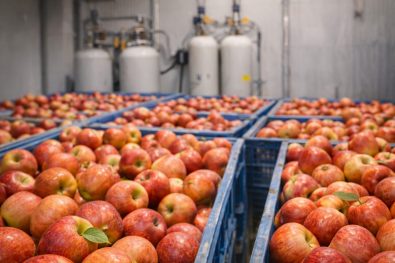
Ethylene acts as both a hormone and a gas contaminant. In ripening rooms, you intentionally apply it to trigger uniform ripening. In CA storage, you are usually trying to keep ethylene levels as low as possible.
Subscribe to receive our monthly round-up of articles.
Without reliable ethylene monitors, you are guessing. Guessing leads to fruit that overripens early, finishes unevenly, or fails to meet customer specs. Consistent monitoring allows you to fine tune ventilation, scrubbing systems, and treatment timing.
Define Your Use Case Before Comparing Instruments
Before looking at specifications, clarify how and where the monitor will be used.
Ask yourself:
-
Is this for ripening rooms, CA storage, or both?
-
Will staff carry the device room to room or will it stay installed?
-
Do you need spot checks or continuous logging?
-
Are you measuring ethylene alone or multiple gases?
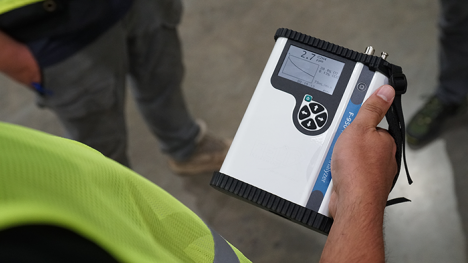
Ethylene monitors for ripening rooms and CA storage serve different roles. Portable tools support troubleshooting and verification. Fixed or semi portable systems support ongoing process control. The best buyers know which problem they are solving.
Measurement Range and Sensitivity
Ethylene levels vary widely depending on application. Ripening rooms often operate at parts per million. CA storage requires sensitivity at parts per billion.
Your checklist should include:
-
Minimum detection limit that matches your lowest expected levels
-
Accuracy and repeatability at both low and high concentrations
-
Stability over long measurement sessions
Some ethylene monitors handle only one side of this range well. Instruments designed specifically for postharvest environments tend to cover both without constant recalibration.
Gas Selectivity and Interference
Ripening rooms and CA storage contain more than ethylene. CO2, oxygen, and humidity can interfere with poorly designed sensors.
Key questions to ask:
-
How does the sensor handle high CO2 environments?
-
Is oxygen variation compensated automatically?
-
Does humidity affect readings?
Ethylene monitors for ripening rooms should be designed with these conditions in mind. Otherwise, you end up correcting data manually or ignoring readings altogether.
Calibration and Maintenance Requirements
Calibration is where many instruments fail in real world use. If calibration is complex or expensive, it does not happen as often as it should.
Evaluate:
-
How often calibration is required
-
Whether calibration gases are readily available
-
If the process can be done in house
Ethylene monitors for ripening rooms and CA storage should be serviceable by trained facility staff, not only by factory technicians. Simpler maintenance means more reliable data over time.
Data Logging and Traceability
Many buyers underestimate the value of stored data until a problem arises. When customers question quality or internal audits flag inconsistencies, historical ethylene data becomes critical.
Look for:
-
Internal data logging with time stamps
-
Easy data export
-
Compatibility with quality management systems
Ethylene monitors for ripening rooms and CA storage that log data help facilities move from reactive problem solving to proactive process improvement.
Portability Versus Fixed Monitoring
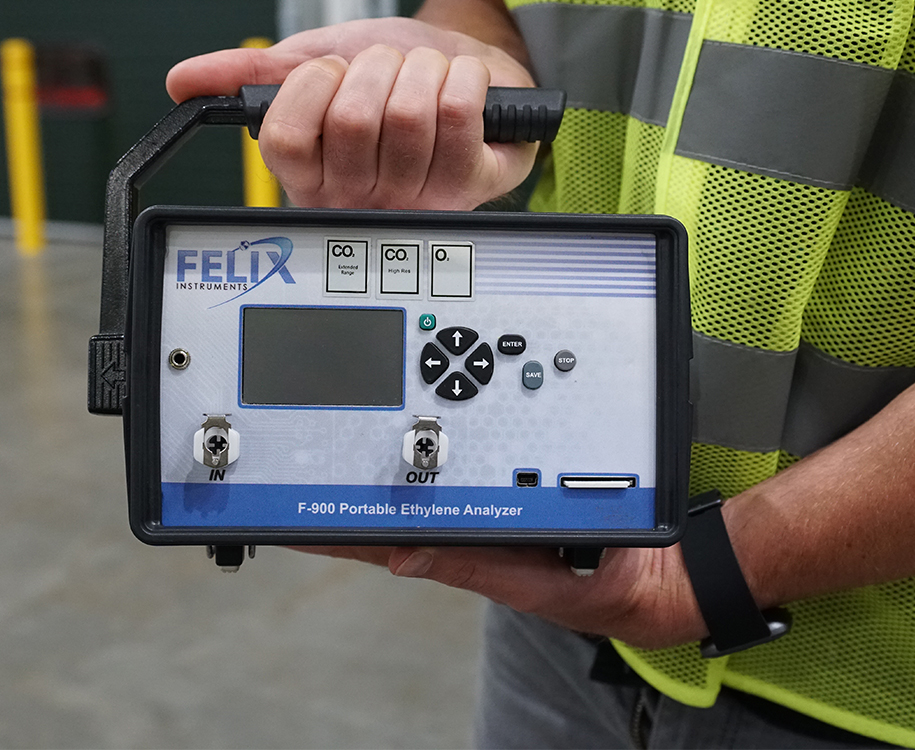
There is no single correct answer here. Many facilities use a mix.
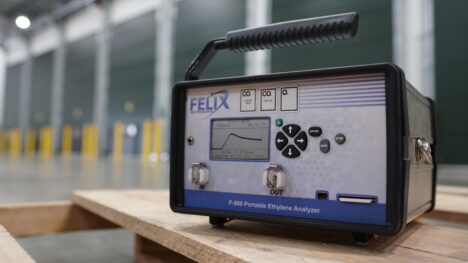
Portable ethylene monitors for ripening rooms and CA storage are useful for:
-
Verifying room conditions
-
Checking scrubber performance
-
Diagnosing issues quickly
Fixed or semi fixed systems are better for:
-
Continuous monitoring
-
Long term storage rooms
-
Alarm based control strategies
Some instruments bridge both roles by combining portability with long run times and logging.
Multi Gas Capability
Ethylene rarely acts alone. CO2 and oxygen management are just as important in CA storage and modified atmosphere rooms. A strong checklist item is whether the instrument can measure:
-
Ethylene
-
CO2
-
Oxygen
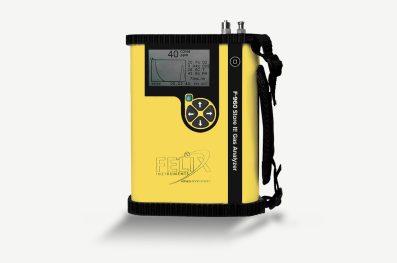
Multi gas ethylene monitors for ripening rooms and CA storage reduce the need for multiple devices and simplify training.
Durability and Environment Fit
Postharvest environments are not gentle. Cold rooms, high humidity, and frequent handling expose weaknesses quickly.
Ask:
-
Is the instrument rated for cold storage use?
-
Are sensors protected against condensation?
-
Is the housing robust enough for daily handling?
Ethylene monitors for ripening rooms and CA storage should be designed for agricultural and food environments, not adapted from lab equipment.
Ease of Use for Staff
The best instrument is the one that actually gets used. Complex menus and confusing interfaces reduce adoption.
Evaluate:
-
Startup time
-
Clarity of displayed data
-
Minimal steps to get a reading
Facilities with rotating staff benefit most from ethylene monitors that are intuitive without extensive training.
Vendor Support and Product Line Depth
An often overlooked factor is the depth of the vendor’s postharvest product line. Vendors focused on food science understand the real constraints of ripening rooms and CA storage.
Working with a company like Felix Instruments means access to ethylene monitors for ripening rooms and CA storage that are purpose built, not generic gas sensors repurposed for agriculture. It also means better documentation, application support, and continuity as your needs grow.
Final Checklist Summary
Before purchasing, confirm that the ethylene monitor:
-
Covers your required concentration range
-
Performs reliably in high CO2 and variable oxygen environments
-
Is easy to calibrate and maintain
-
Logs data for traceability
-
Fits your portability or fixed monitoring needs
-
Withstands cold and humid conditions
-
Is simple enough for daily use
-
Comes from a vendor with postharvest expertise
The Bottom Line
Selecting ethylene monitors for ripening rooms and CA storage is about reducing uncertainty. The right tool helps you deliver consistent quality, protect storage life, and respond quickly when conditions drift.
Felix Instruments offers a complete range of ethylene monitors designed specifically for postharvest applications, from portable analyzers to multi gas systems built for ripening rooms and CA storage. If you are evaluating new monitoring equipment or upgrading an existing program, talk with Felix Instruments to match the right solution to your operation and take control of ethylene where it matters most.
FAQ
What Ethylene Range Is Required for CA Storage Monitoring?
Most CA storage applications require sensitivity down to parts per billion. Ethylene monitors for ripening rooms and CA storage should be selected based on the lowest levels you need to detect, not just peak values.
Can One Ethylene Monitor Be Used for Both Ripening Rooms and CA Storage?
Yes, but only if the instrument covers a wide measurement range and compensates for high CO2 and low oxygen environments. Many facilities use one versatile monitor across both applications.
How Often Should Ethylene Monitors Be Calibrated?
Calibration frequency depends on sensor type and usage, but regular verification is essential. Ethylene monitors for ripening rooms and CA storage that are easy to calibrate are more likely to stay accurate over time.
Related Products
- F-751 Grape Quality Meter
- Custom Model Building
- F-910 AccuStore
- F-751 Melon Quality Meter
- F-751 Kiwifruit Quality Meter
- F-750 Produce Quality Meter
- F-751 Avocado Quality Meter
- F-751 Mango Quality Meter
- F-9XXDK Dynamic Sampling Kit
- F-900 Portable Ethylene Analyzer
- F-950 Three Gas Analyzer
- F-920 Check It! Gas Analyzer
- F-960 Ripen It! Gas Analyzer
- F-940 Store It! Gas Analyzer
Most Popular Articles
- Spectrophotometry in 2023
- NIR Applications in Agriculture – Everything…
- The Importance of Food Quality Testing
- The 5 Most Important Parameters in Produce Quality Control
- Melon Fruit: Quality, Production & Physiology
- Fruit Respiration Impact on Fruit Quality
- Guide to Fresh Fruit Quality Control
- Liquid Spectrophotometry & Food Industry Applications
- Ethylene (C2H4) – Ripening, Crops & Agriculture
- Understanding Chemometrics for NIR Spectroscopy