How to Choose the Right Gas Analyzer for Postharvest Facilities
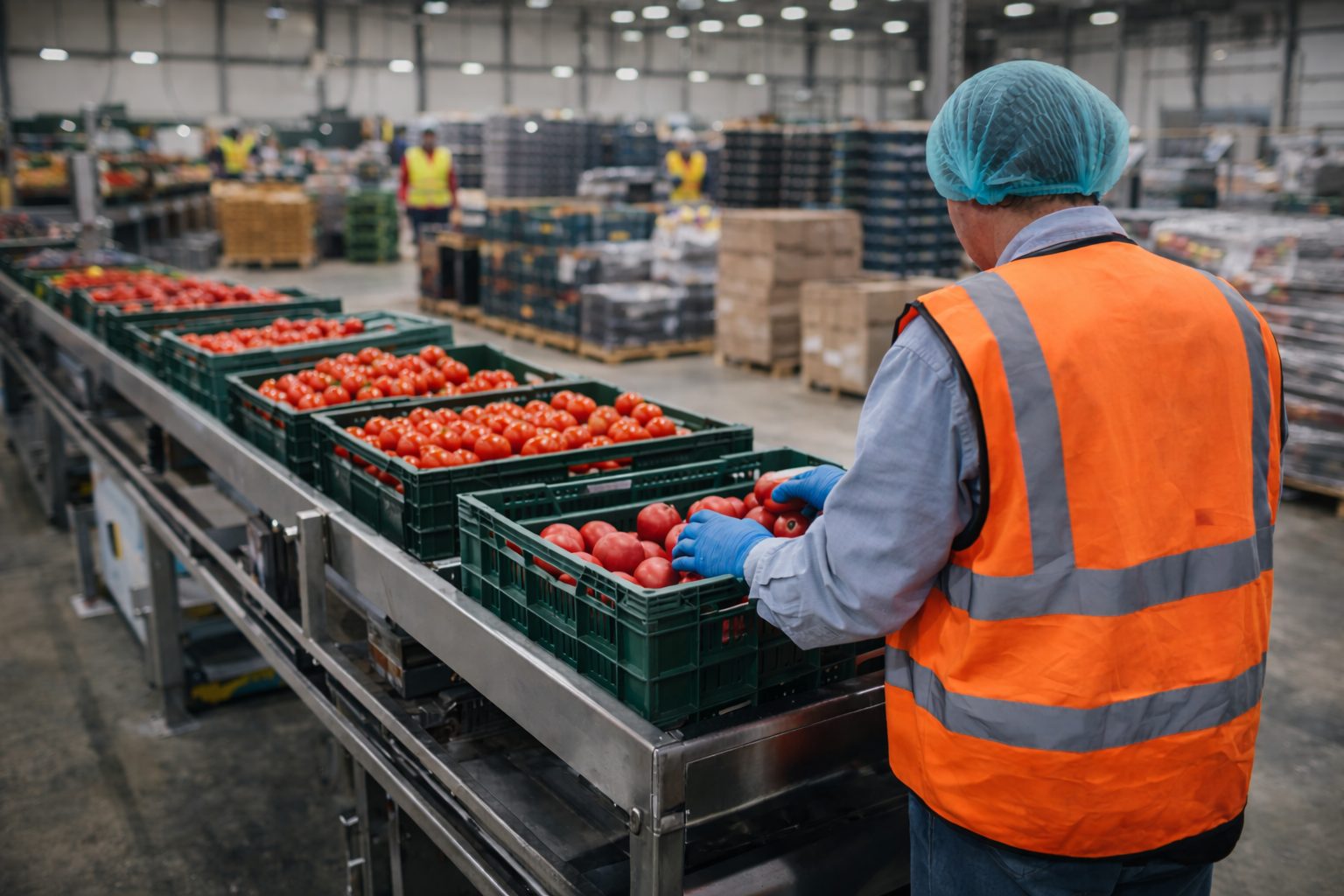

Scott Trimble

February 5, 2026 at 11:25 pm | Updated February 5, 2026 at 11:25 pm | 5 min read
Choosing the right postharvest gas analyzer is one of the more practical decisions a postharvest facility makes.
Gas composition drives respiration, ripening, and shelf life. Small differences in oxygen, carbon dioxide, or ethylene levels can separate fruit that ships well from fruit that arrives soft or off flavor.
Because of that, the postharvest gas analyzer you choose should match how your facility actually operates, not just what looks good on a specification sheet.
Subscribe to receive our monthly round-up of articles.
This article walks through how to think about gas measurement in real postharvest environments and how to select an instrument that supports consistent decision making. The focus is on handheld and portable systems used in cold rooms, ripening rooms, storage bins, and transport containers.
Start With the Gases You Actually Need to Measure
Not every facility needs the same gas data. The first step in selecting a postharvest gas analyzer is deciding which gases matter most to your operation.
Oxygen & Carbon Dioxide
Most controlled atmosphere and modified atmosphere programs depend on reliable oxygen and carbon dioxide measurements.
Oxygen levels influence respiration rate and disorder risk. Carbon dioxide impacts both respiration and the development of physiological defects. Facilities running CA storage, dynamic CA, or sealed storage rooms typically need fast, repeatable O2 and CO2 measurements that can be taken daily or even multiple times per day.
Ethylene
Ethylene measurement is often where facilities underestimate their needs. Even operations not actively managing ripening can benefit from knowing background ethylene levels. In mixed storage, trace ethylene can accelerate ripening in sensitive commodities.
Ripening rooms, avocado programs, and banana facilities require accurate low-level ethylene measurement to time treatments and releases.
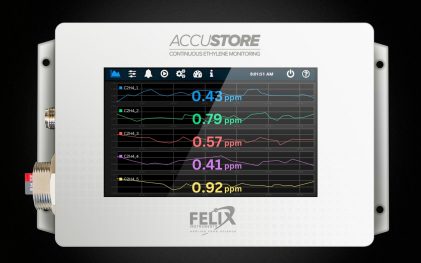
Some analyzers measure ethylene alone, while others combine ethylene with O2 and CO2. The right choice depends on whether ethylene is a core control variable or a secondary check.
Match Analyzer Design to How Measurements Are Taken
A postharvest gas analyzer spends its life being carried, set down, moved between rooms, and sometimes used in cold or humid conditions. Design details matter more than most buyers expect.
Handheld Versus Portable Bench Style
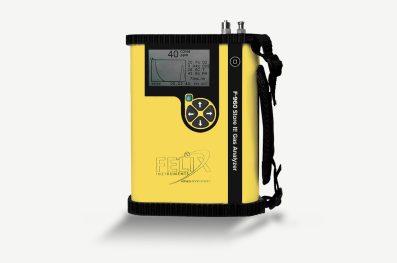
Handheld analyzers are designed for technicians who move frequently between rooms and storage locations. They are typically battery powered, light enough for one-handed use, and fast to deploy.
For most postharvest facilities, handheld systems support better compliance because staff are more likely to take measurements when the instrument is easy to use.
Portable bench style analyzers are useful when measurements are taken in a central location, such as a lab or quality control station. These systems can offer high precision but are less flexible for spot checks inside storage rooms or containers.
Sampling Method
Consider how gas is sampled. Some analyzers draw gas directly through tubing inserted into a port or septum. Others rely on external sampling bags or pumps.
Direct draw systems tend to reduce handling steps and speed up routine measurements. Fewer steps also reduce the chance of sampling errors, especially during busy harvest periods.
Accuracy Is Important, but Repeatability Matters More
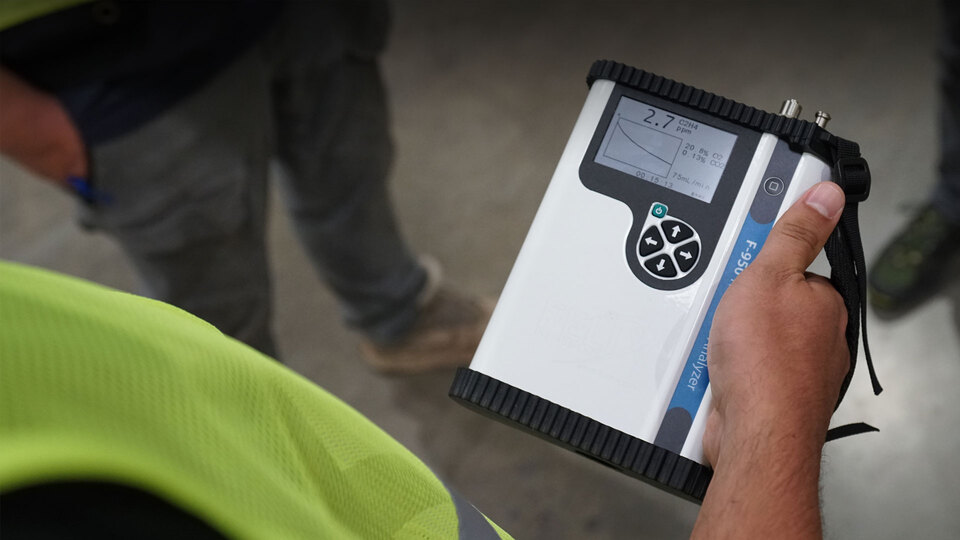
Postharvest decisions are often based on trends rather than absolute values. For example, knowing that oxygen dropped from 2.0 percent to 1.6 percent over two days is often more actionable than knowing the exact calibrated value to the third decimal place.
When evaluating a postharvest gas analyzer, ask about:
-
Sensor stability over time
-
Calibration frequency and method
-
Warm-up time before readings stabilize
An analyzer that provides consistent, repeatable readings day after day is often more useful than a system that is theoretically more accurate but drifts or requires constant recalibration.
Consider the Operating Environment
Postharvest facilities are not gentle environments for instruments. Cold temperatures, condensation, dust, and rough handling are common.
Temperature and Humidity Tolerance
Gas analyzers should be specified for operation in cold rooms and high humidity conditions. Sensors that struggle with condensation or require long equilibration times can slow down workflows and frustrate staff.
Durability and Serviceability
Instruments will eventually be dropped or knocked against doors and bins. A rugged housing and accessible service support matter. Facilities should consider how downtime is handled and whether loaner instruments or fast repairs are available.
Data Handling and Workflow Integration
Modern postharvest gas analyzers often include onboard data logging, USB export, or wireless transfer. These features are useful, but only if they match existing workflows.
Ask practical questions such as:
-
Do technicians need to record data quickly and move on?
-
Is data reviewed daily or only during audits?
-
Is integration with spreadsheets or quality management systems required?
Simple, reliable data export is usually more valuable than complex software that no one uses under time pressure.
Comparing Single Gas and Multi Gas Analyzers
Facilities sometimes debate whether to purchase multiple single gas instruments or one multi gas analyzer.
Single gas analyzers can be cost effective if only one parameter truly matters. They can also be simpler to maintain. Multi gas analyzers reduce the number of instruments staff need to carry and ensure all relevant gases are measured at the same sampling point.
For many postharvest operations, a multi gas postharvest gas analyzer provides better context for decisions. Seeing oxygen, carbon dioxide, and ethylene together helps explain fruit behavior more clearly than looking at one gas in isolation.
Scaling With Facility Growth
A gas analyzer is often purchased to solve an immediate problem, but it should also support future needs. Facilities that plan to add new commodities, expand storage capacity, or implement more advanced atmosphere control should consider whether their analyzer can scale with them.
Modular platforms or analyzers with multiple configurations allow facilities to adapt without replacing the entire system. This flexibility becomes more important as postharvest programs grow more data driven.
Why Many Facilities Standardize on Felix Instruments
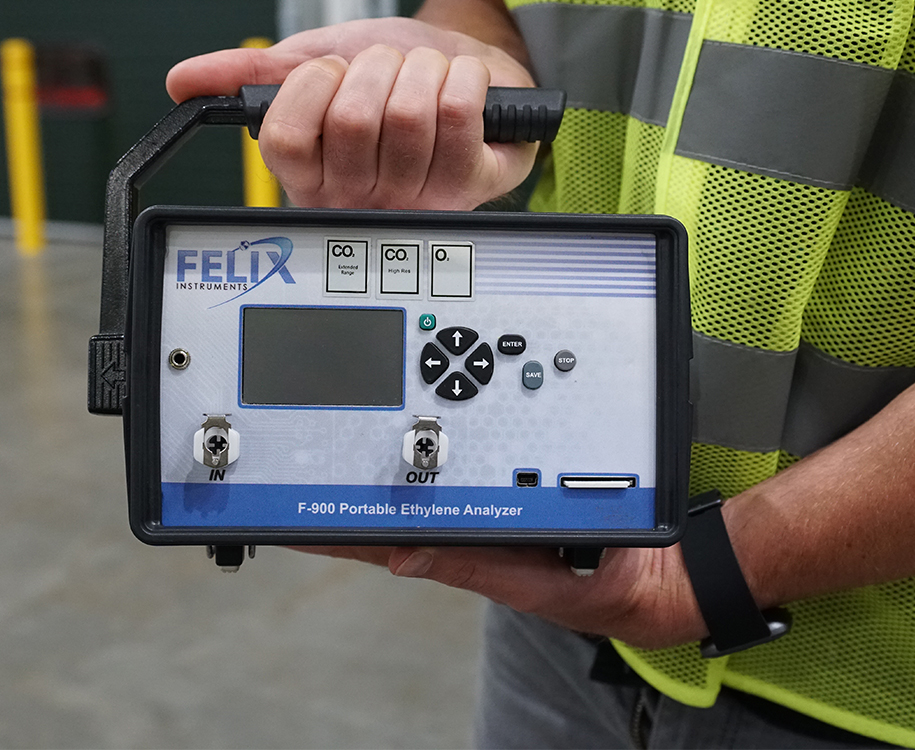
Felix Instruments designs postharvest gas analyzers specifically for real-world agricultural environments. Their handheld and portable systems are widely used in storage, ripening, and research settings because they balance accuracy, durability, and ease of use.
Rather than offering one generic solution, Felix Instruments provides analyzers tailored to different postharvest needs. Options range from ethylene-focused tools to multi gas systems that measure O2, CO2, and ethylene in a single unit.
This allows facilities to select a postharvest gas analyzer that fits their operation without paying for unnecessary complexity.
Users often point to practical advantages such as fast measurement times, clear interfaces, and instruments that hold calibration well under routine use. In busy postharvest environments, these details translate directly into better compliance and more reliable data.
Takeaway
Choosing the right postharvest gas analyzer is less about chasing specifications and more about understanding how your facility operates day to day.
The best instrument is one that technicians will actually use, that produces consistent data, and that fits the gases and workflows that matter most to your crops.
If you are evaluating options or planning to upgrade your current system, it is worth discussing your specific use case with a manufacturer that specializes in postharvest measurement. Felix Instruments works directly with storage managers, quality teams, and researchers to help them select gas analyzers that support better decisions and better fruit outcomes.
Visit Felix Instruments to explore available postharvest gas analyzer solutions and speak with a specialist about matching the right tool to your facility.
Frequently Asked Questions
What Gases Should a Postharvest Gas Analyzer Measure?
At a minimum, most controlled atmosphere facilities need oxygen and carbon dioxide. Ethylene measurement is strongly recommended for ripening programs and mixed storage where trace ethylene can affect sensitive commodities.
How Often Should Gas Analyzers Be Calibrated?
Calibration frequency depends on sensor type and usage. Many modern postharvest gas analyzers are designed to hold calibration for extended periods, but facilities should follow manufacturer recommendations and verify performance regularly.
Are Handheld Gas Analyzers Accurate Enough for CA Storage?
Yes, when designed for postharvest use. High quality handheld analyzers provide the repeatability and stability required for daily CA management, while offering the mobility needed in large storage facilities.
Related Products
Most Popular Articles
- Spectrophotometry in 2023
- NIR Applications in Agriculture – Everything…
- The Importance of Food Quality Testing
- The 5 Most Important Parameters in Produce Quality Control
- Melon Fruit: Quality, Production & Physiology
- Fruit Respiration Impact on Fruit Quality
- Guide to Fresh Fruit Quality Control
- Liquid Spectrophotometry & Food Industry Applications
- Ethylene (C2H4) – Ripening, Crops & Agriculture
- Understanding Chemometrics for NIR Spectroscopy