Latest gas-analysis
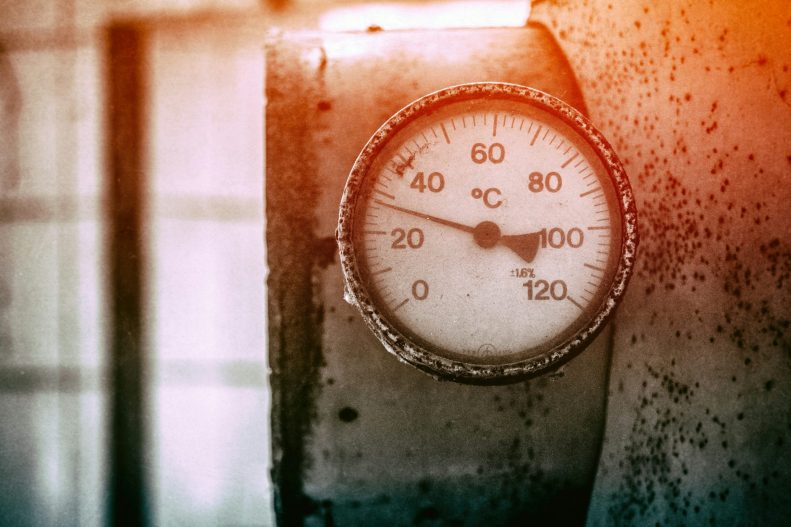
How Accurate Are Gas Readings in Humid Environments?
Gas readings in humid environments can be highly accurate, but only when the analyzer, sampling method, and operating conditions match the job. In postharvest storage, modified atmosphere packaging, ripening rooms, and cold chain inspections, humidity is not a side issue. It is part of the atmosphere being measured. Water vapor can affect sensors, tubing, filters,… Continue reading…


Additional reading
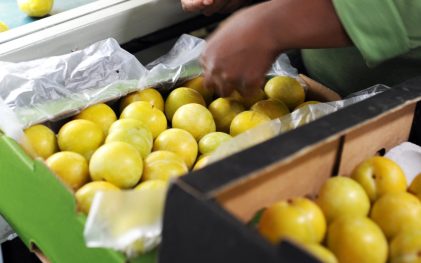
What Is Postharvest Physiology and Why Does It Matter for Fresh Produce Quality?
The crucial postharvest physiological processes that lead to deterioration in the quality of fresh produce include respiration, transpiration, ethylene production, and enzymatic activity. Temperature, air gas composition, relative humidity, and handling are common factors that can be controlled to slow these physiological processes. Maintaining and controlling the environment is essential to preserving quality and shelf… Continue reading…
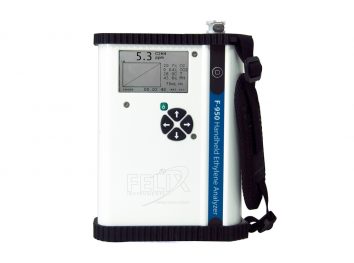
What’s the Difference Between F-900 and F-950 Gas Analyzers?
When comparing the F-900 and F-950 gas analyzers, the simplest way to separate them is this: the F-900 is built first around highly sensitive ethylene measurement, while the F-950 is built for fast, portable measurement of ethylene, CO2, and O2 together. Both instruments come from Felix Instruments and both serve produce, storage, ripening, research, and… Continue reading…
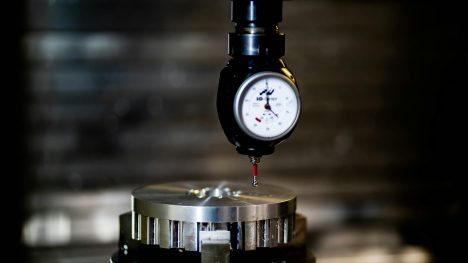
3 Mistakes Technicians Make When Using Gas Analyzers
Gas analyzer accuracy plays a central role in postharvest handling, storage management, and quality control. Whether you are monitoring ethylene levels in ripening rooms or checking oxygen and carbon dioxide in controlled atmosphere storage, even small errors can lead to measurable losses. Despite experience in the field, many technicians still make avoidable mistakes that impact… Continue reading…

Signs Your Gas Sensor Needs Replacement
If you rely on a handheld analyzer for postharvest work, packaging checks, storage rooms, or ripening control, gas sensor replacement is not something to push off until the instrument completely fails. In practice, sensor problems usually show up gradually. Readings get less stable, calibration gets harder to hold, response times slow down, and the numbers… Continue reading…
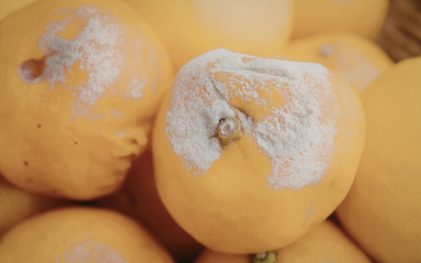
Major Causes of Postharvest Decline in Fresh Produce
The main causes for postharvest decline in fresh produce are mechanical damage, respiration, transpiration, ethylene, and senescence. The importance of each cause varies across classes of fresh produce, including root vegetables, leafy vegetables, flower vegetables, immature fruit vegetables, and mature fruits. Adequate technology adoption can significantly reduce postharvest decline. Around 40-50% of fruits and vegetables… Continue reading…
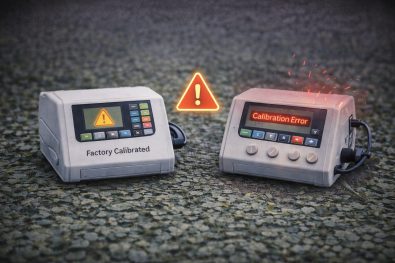
Truth About Calibration: Why Factory Settings Aren’t Forever
When you first power on a new instrument, it is easy to assume the factory settings will hold steady for years. In reality, gas analyzer calibration is not a one time event. It is an ongoing process that directly affects data integrity, storage decisions, and ultimately profitability. In postharvest environments where small shifts in oxygen,… Continue reading…