Latest gas-analysis

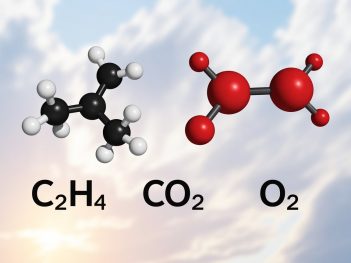
Truth About Multi-Gas Monitors: When Extra Sensors Add Noise
The conversation around multi-gas monitors often centers on one assumption: more sensors equal better data. In controlled atmosphere storage, ripening rooms, and produce research, that sounds reasonable. But in practice, multi-gas monitors can introduce complexity, cross-interference, and calibration drift that compromise accuracy. When extra sensors add noise instead of clarity, the result is slower decisions… Continue reading…
Myth: Data Logging Is Optional—It’s Not if You Want Compliance
In food storage, ripening, and controlled atmosphere management, there is a persistent myth that data logging is optional. Teams often assume that if they can spot check gas levels with a handheld unit, that is enough. It is not. If you care about gas analyzer compliance, continuous and reliable data logging is part of the… Continue reading…
Myth: Postharvest Gas Levels Don’t Change Overnight
Postharvest gas analysis is often treated as a routine checkpoint rather than a continuous priority. A common myth in storage and ripening operations is that gas levels remain stable overnight. Many teams assume that once a room is set and verified at the end of the day, oxygen, carbon dioxide, and ethylene concentrations will hold… Continue reading…

Truth About ‘Zero Calibration’ Sensors: Why Manual Verification Still Matters
Zero calibration sensors are often marketed as a way to simplify gas detection and eliminate routine calibration steps. On paper, the promise is attractive. A sensor that automatically maintains its baseline without manual intervention sounds like a clear operational win. In practice, though, zero calibration sensors do not remove the need for manual verification. For… Continue reading…
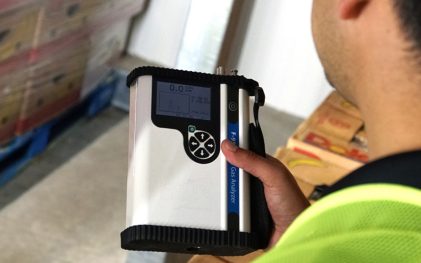
Myth: Only Big Growers Benefit from Gas Monitoring Systems
A common misconception in postharvest management is that gas monitoring systems are only useful for large commercial growers with massive storage facilities. In reality, gas monitoring systems are just as valuable for small and mid sized growers who want to protect product quality, reduce waste, and gain more control over storage and ripening conditions. Gas… Continue reading…
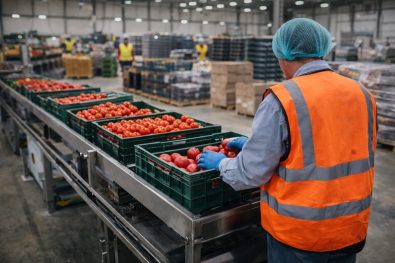
How to Choose the Right Gas Analyzer for Postharvest Facilities
Choosing the right postharvest gas analyzer is one of the more practical decisions a postharvest facility makes. Gas composition drives respiration, ripening, and shelf life. Small differences in oxygen, carbon dioxide, or ethylene levels can separate fruit that ships well from fruit that arrives soft or off flavor. Because of that, the postharvest gas analyzer… Continue reading…
Choosing Between Multi-Gas and Single-Gas Instruments
Selecting the right gas analysis tool often comes down to understanding how much information you really need and how you plan to use it. The debate around multi-gas vs single-gas instruments is common in postharvest handling, storage management, and produce research. Both approaches solve real problems, but they do so in different ways. This article… Continue reading…
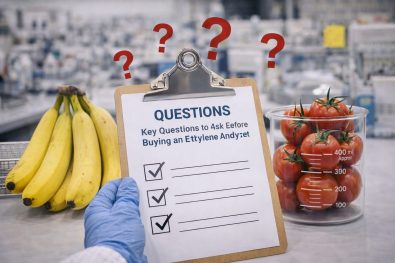
Key Questions to Ask Before Buying an Ethylene Analyzer
An ethylene analyzer is no longer a niche tool reserved for research labs. It has become a practical instrument for growers, storage managers, ripening room operators, and quality teams who need better control over fruit maturity and shelf life. As supply chains tighten and quality targets become less forgiving, choosing the right ethylene analyzer matters.… Continue reading…
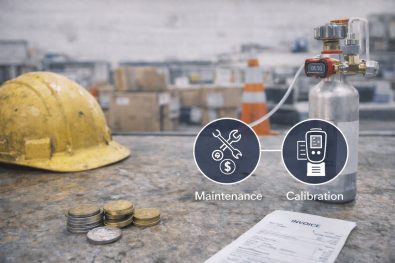
Maintenance and Calibration Costs for Gas Monitors: What to Expect
Maintenance and calibration costs for gas monitors are often underestimated during the buying process. Most teams focus on upfront price and core specifications, then get surprised later by service contracts, downtime, or recurring consumables. Over the life of a gas monitor, these hidden costs can exceed the purchase price if the system is not designed… Continue reading…
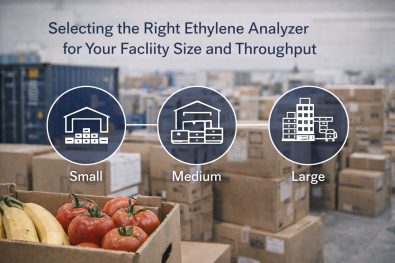
Selecting the Right Ethylene Analyzer for Your Facility Size and Throughput
If you are shopping for an ethylene analyzer, the spec sheet is only half the story. The other half is how your facility actually runs: how many rooms you manage, how many samples you pull per shift, whether you need spot checks or continuous monitoring, and what ethylene range you truly live in. Picking the… Continue reading…