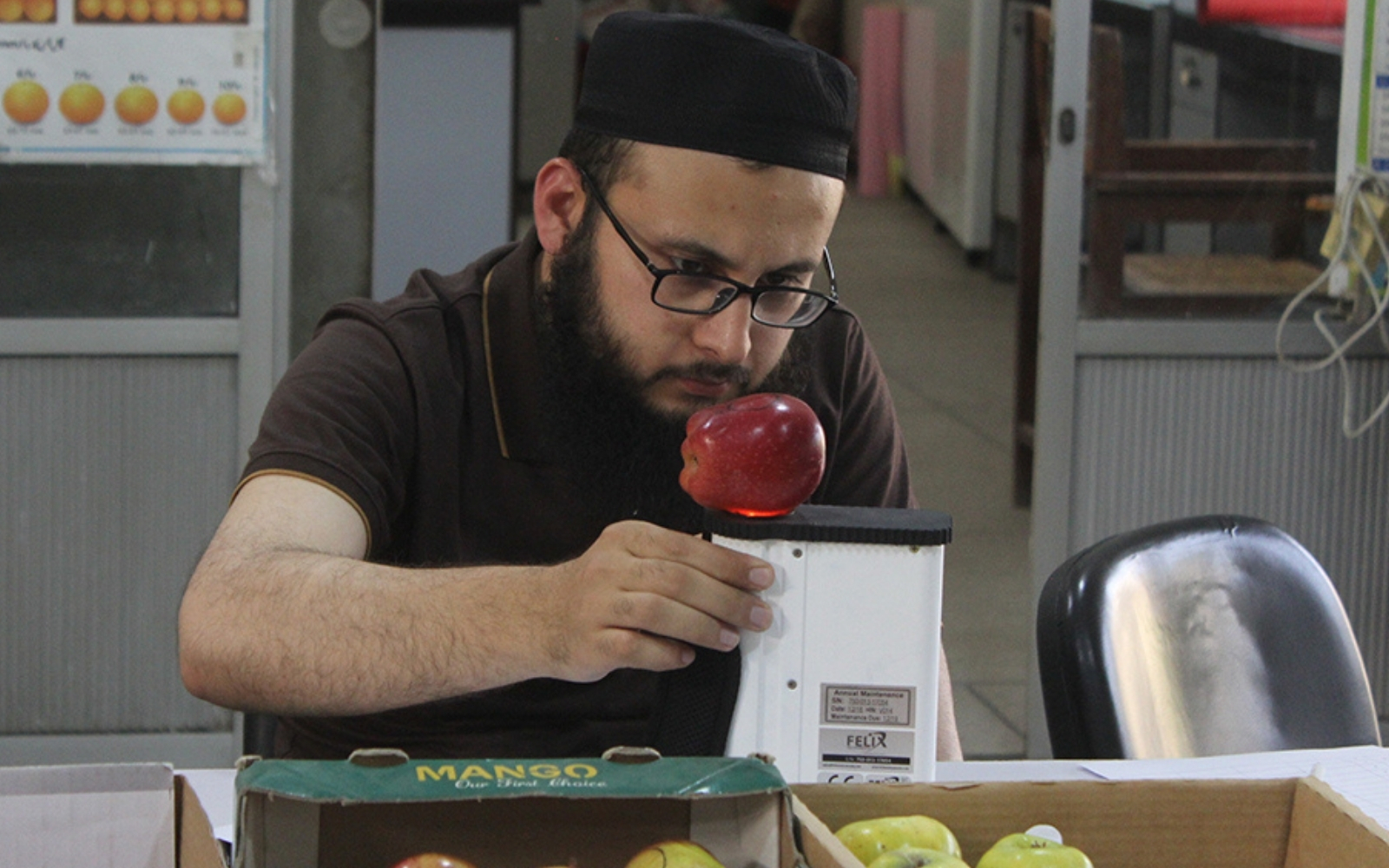
Calibration Battle: How Felix, Rubens, and Sunforest Handle Multi-Crop Predictive Models

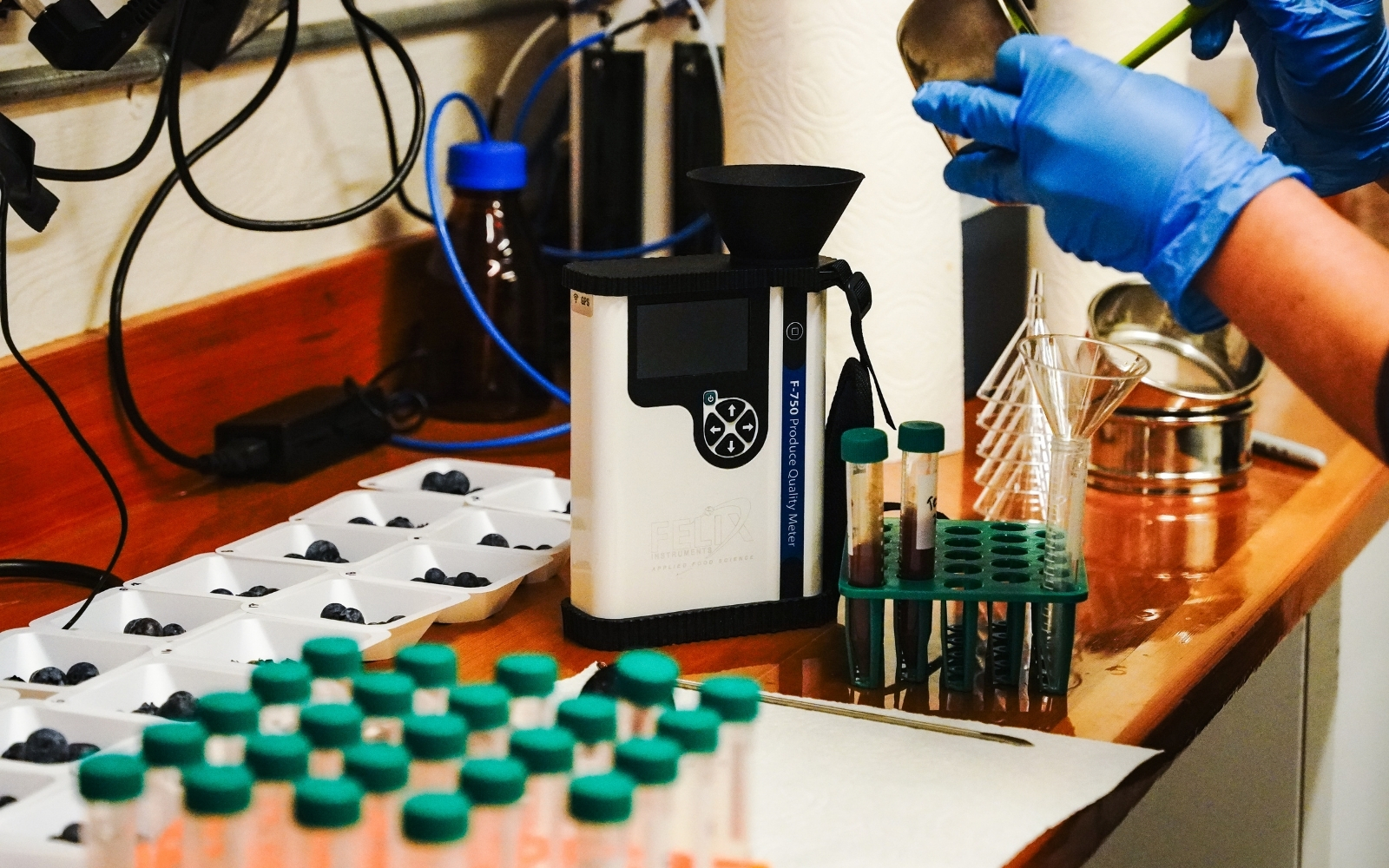
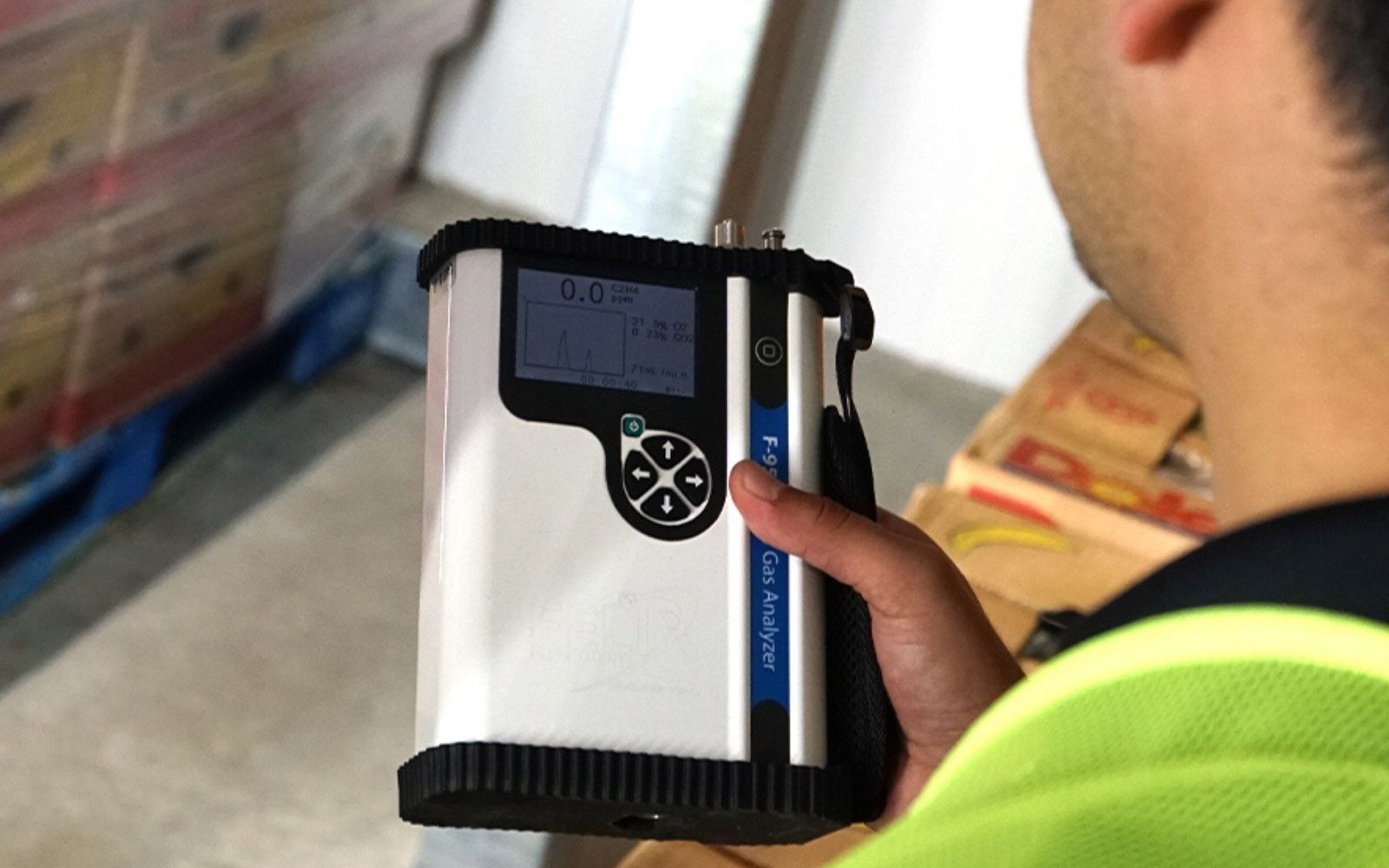
In produce quality measurement, hardware differences are narrowing. Detectors, light sources, and form factors across NIR and gas analysis tools are increasingly similar. What separates instruments in day-to-day use is calibration. More specifically, it is how companies design, maintain, and communicate multi-crop predictive models. This article compares how Felix Instruments, Rubens, and Sunforest approach calibration,… Continue reading…

Spectral Science vs Shortcut Sensors: Why the F-751 Series Outperforms Rubens and Sunforest in Accuracy and Longevity
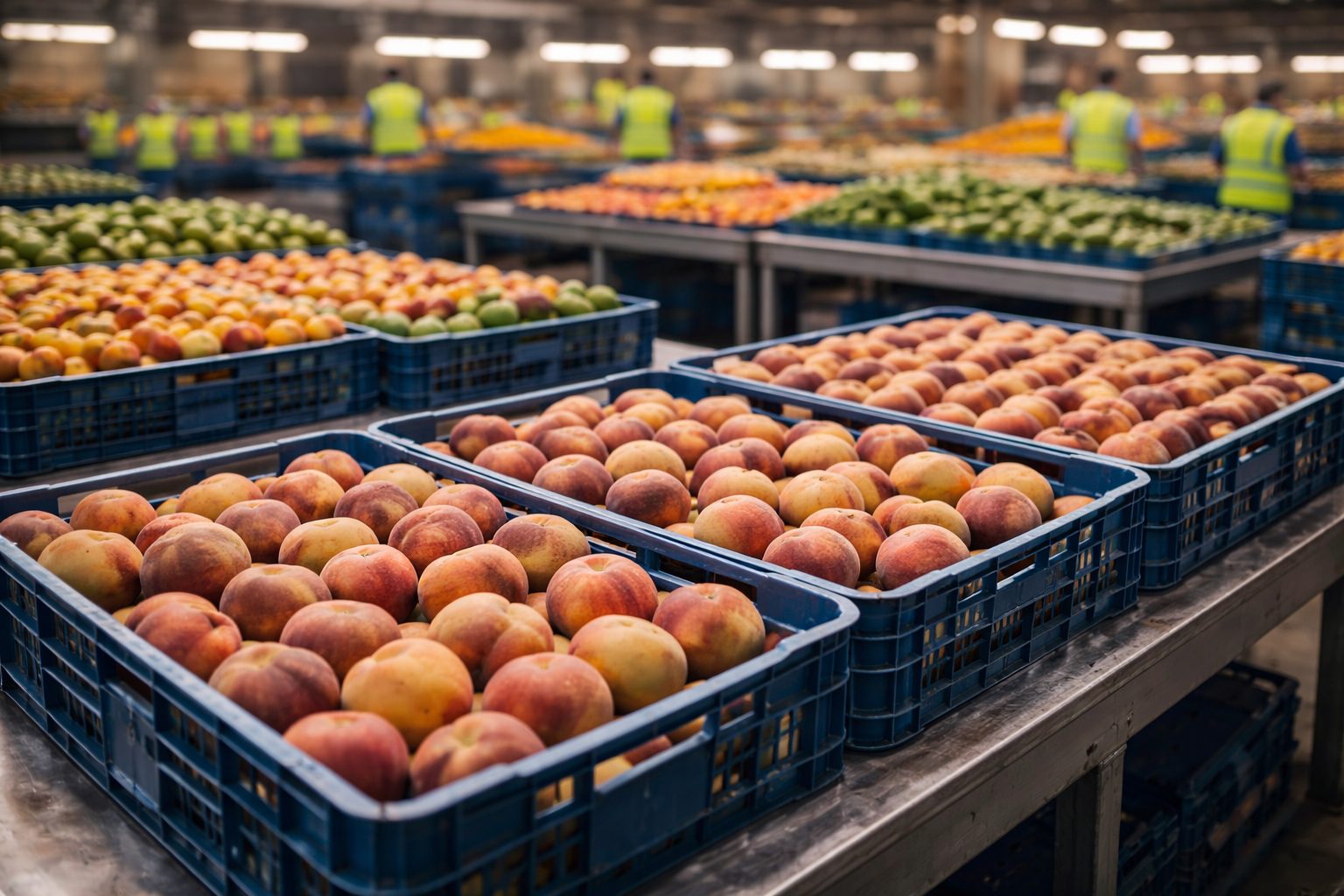
Spectral Science vs Shortcut Sensors Why the F-751 Series Outperforms Rubens and Sunforest in Accuracy and Longevity

Produce quality measurement has become a central part of modern fruit handling, from orchard decisions to packhouse sorting and postharvest storage. As pressure increases to reduce waste while delivering consistent eating quality, handheld tools are no longer a nice-to-have. They are operational infrastructure. The challenge is choosing between instruments built on real spectral science and… Continue reading…
F-750, Rubens, or Sunforest: Which NIR Tool Actually Matches Lab Results?

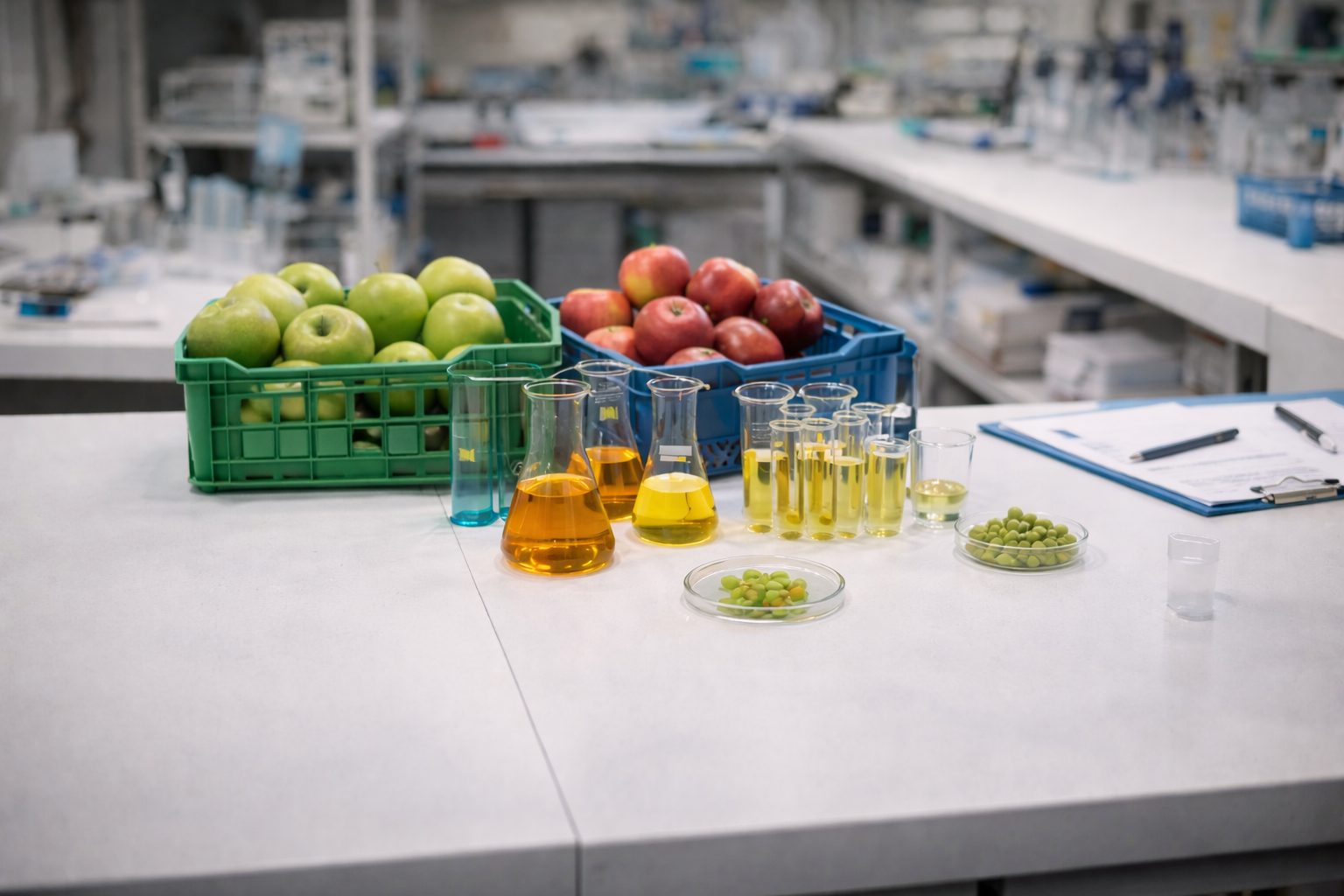
F-750, Rubens, or Sunforest Which NIR Tool Actually Matches Lab Results

When growers, packers, and quality control teams assess fruit maturity and internal quality, many are turning to NIR tools as alternatives to time consuming destructive testing. In this article we compare three leading near infrared systems, the F-750 from Felix Instruments, the Rubens handheld sensor, and the Sunforest H-100 series, to help you understand how… Continue reading…

Complete Buyer’s Guide to Portable NIR Produce Quality Meters

Without a quantitative maturity standard, harvesting becomes a guessing game. A custom NIR model gives you accurate, reliable data to make informed decisions.

Portable NIR produce quality meters have become standard tools for growers, packers, and quality managers who need fast, non destructive insight into fruit maturity and internal quality. Instead of relying on destructive sampling or visual estimates, these instruments use near infrared spectroscopy to deliver real data in the field, packinghouse, or cold storage. If you… Continue reading…

Portable vs Benchtop NIR Meters: Which Makes Sense for Your Lab?

Near-infrared spectroscopy has become a standard tool for measuring quality attributes in food and agricultural products. Whether you are tracking dry matter, Brix, firmness proxies, or internal defects, NIR offers fast, non-destructive insight. The real decision many labs face today is not whether to use NIR, but whether portable NIR meters or traditional benchtop systems… Continue reading…

How to Evaluate Data Accuracy in NIR Meters

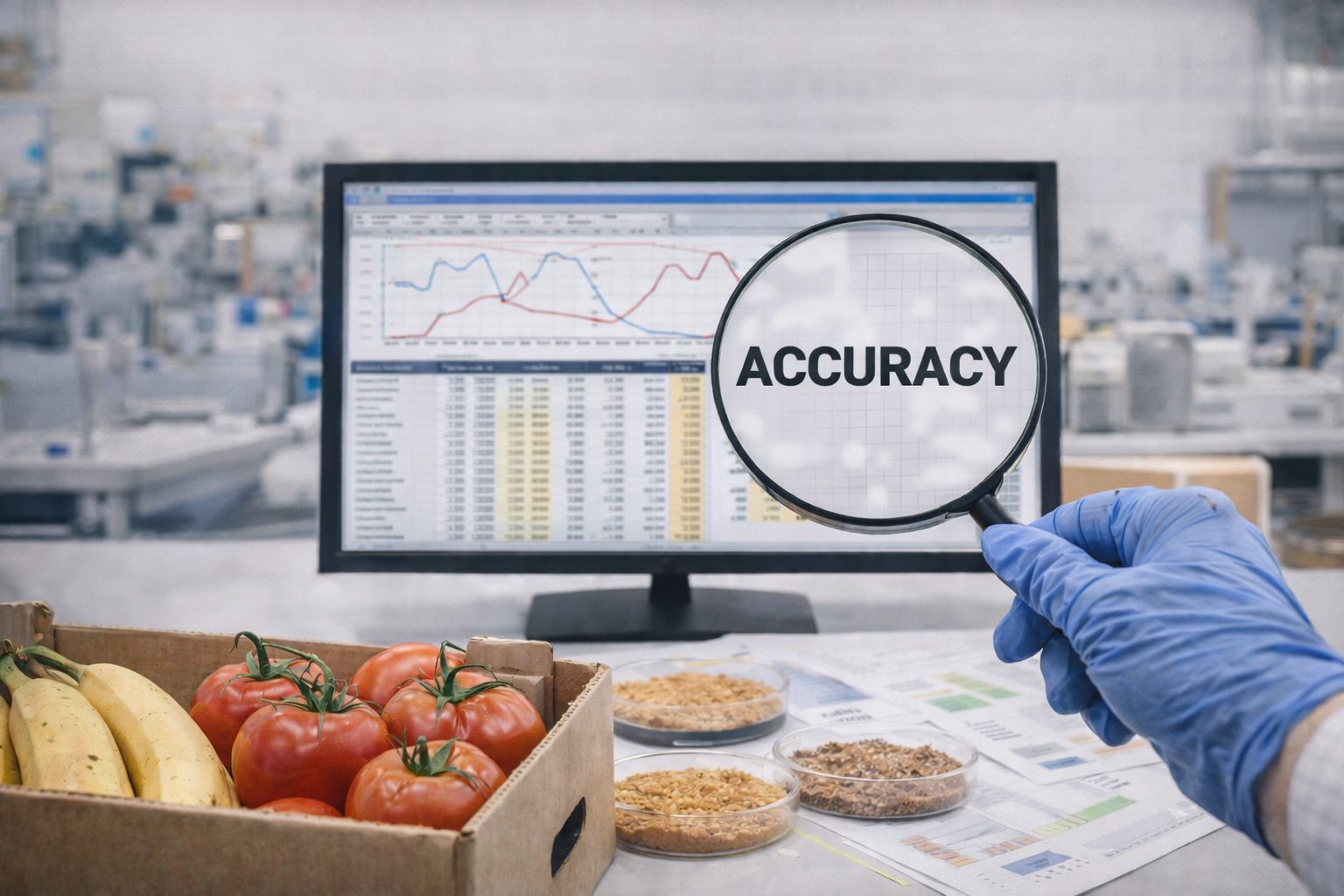
How to Evaluate Data Accuracy in NIR Meters

NIR meter data accuracy is the first thing experienced users look at when deciding whether a handheld instrument is useful or just another gadget. Near infrared spectroscopy is not new, but applying it reliably in the field is still challenging. Differences in optics, calibration models, sampling methods, and validation practices can easily lead to inconsistent… Continue reading…

Investing in a Research-Grade vs Commercial-Use Quality Meter

Choosing the right produce quality meter is a decision that affects data quality, operational efficiency, and long-term return on investment. Whether you are running field trials, managing postharvest storage, or making rapid commercial decisions on fruit maturity, the difference between a research-grade instrument and a commercial-use quality meter matters. At first glance, many quality meters… Continue reading…