Latest technology


Evaluating Return on Investment for Portable NIR Devices
Evaluating return on investment for portable NIR devices is no longer just a financial exercise. For produce managers, quality teams, and postharvest researchers, it has become a practical question tied directly to daily decisions. Portable NIR devices ROI depends on how effectively these tools replace slow, destructive, or subjective quality assessments with fast, repeatable data.… Continue reading…
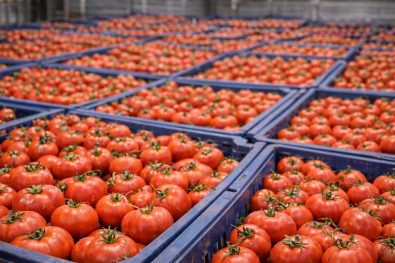
F-950 in Dual-Purpose Mode: Ripening Gas Control and QC Spot Testing
The F-950 gas analyzer is often described as a dual-purpose gas analyzer, and that description fits how it is used in real facilities. In ripening rooms, cold storage, and packing environments, teams need one tool that can manage ripening gas control while also supporting fast QC spot testing. The F-950 was designed for exactly that… Continue reading…
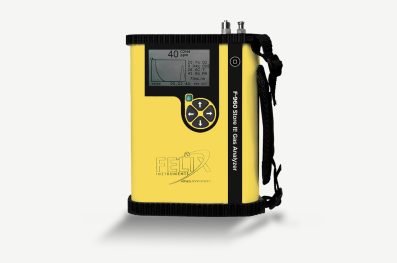
F-960 Gas Analyzer in Modified Atmosphere Packaging Validation
Modified atmosphere packaging validation depends on one thing above all else: confidence in your gas data. The F-960 gas analyzer is designed for professionals who need to verify oxygen, carbon dioxide, and ethylene levels quickly and reliably across real packaging and storage conditions. In operations where shelf life, consistency, and regulatory compliance matter, having accurate… Continue reading…
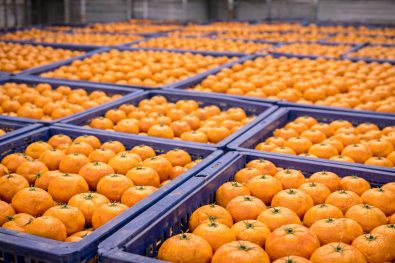
Postharvest Research on Citrus Off-Gassing Using F-900 Portable Analyzer
Postharvest off-gassing analysis plays a central role in understanding citrus fruit quality, shelf life, and market readiness. In citrus supply chains, small changes in internal gas composition can signal the onset of ripening, senescence, or stress long before visual symptoms appear. Postharvest off-gassing research allows scientists and quality managers to measure these changes directly and… Continue reading…
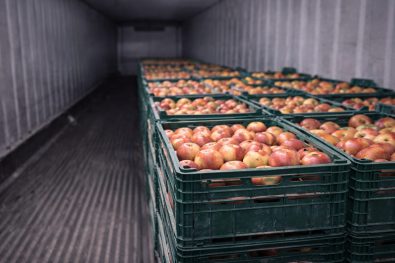
F-940 for Monitoring Shipping Containers in Long-Haul Fruit Logistics
In long-haul fruit logistics, the F-940 gas analyzer has become a practical tool for teams that need visibility into atmosphere conditions inside shipping containers. When fruit is on the water for weeks or moving across continents by rail, small shifts in oxygen, carbon dioxide, or ethylene can quietly undo months of careful postharvest work. The… Continue reading…

Using Felix NIR Devices for Research on Fruit Maturity Index Correlations
Research into fruit maturity index correlations has moved quickly over the last decade, largely because non-destructive tools now allow researchers to collect large datasets directly from intact fruit. The term fruit maturity index is no longer limited to lab-only measurements or destructive sampling protocols. With handheld near-infrared technology, researchers can link internal quality attributes to… Continue reading…
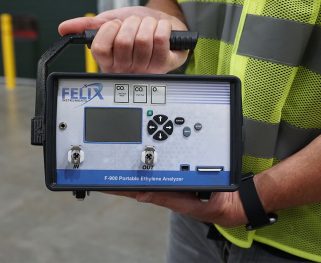
How Processors Use the F-900 for Catalytic Generator Verification
Processors rely on controlled ethylene delivery to manage ripening, degreening, and conditioning programs. When catalytic generators are part of that system, verification matters. The focus for this discussion is on F-900 catalytic generator verification, because accurate ethylene measurement is the only practical way to confirm generator output in real operating conditions. The F-900 gives processors… Continue reading…
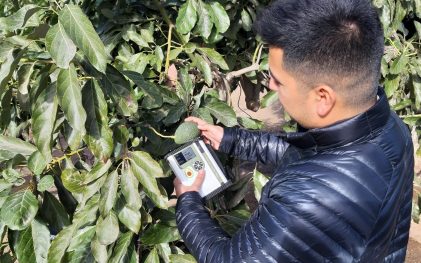
How Did Tech Improve Postharvest Fresh Produce Quality in 2025?
Novel technologies, such as air- or oxygen-micro-nano bubble water and ozone, are under focus as safe and environmentally friendly alternatives to chlorine for postharvest disinfection of fresh produce. Research on the application of peptide hormones to preserve postharvest horticultural quality, which began a few years ago, intensified in 2025. Another emerging field is the use… Continue reading…
F-751 Series vs Sunforest: Predictive Power vs Processing Convenience
When teams evaluate handheld NIR tools for fruit maturity assessment, two priorities tend to rise above the rest: predictive power and processing convenience. The Felix Instruments F-751 series focuses on deep, crop-specific predictive models designed to deliver stable internal-quality estimates. Sunforest’s H-100 series emphasizes multi-fruit versatility and general convenience across orchard and supply-chain tasks. Both… Continue reading…
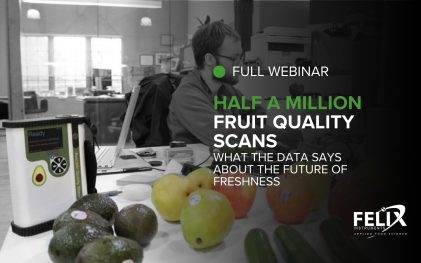
WEBINAR: Half a Million Fruit Quality Scans: What the Data Says About the Future of Freshness
Fruit quality can feel unpredictable, even when teams rely on long-standing testing methods. Over the past decade, Felix Instruments has scanned more than half a million individual fruits across crops such as avocado, mango, citrus, grape, apple, and more, building a large real-world dataset that reveals just how variable internal quality can be. In this… Continue reading…