Latest storage-ripening

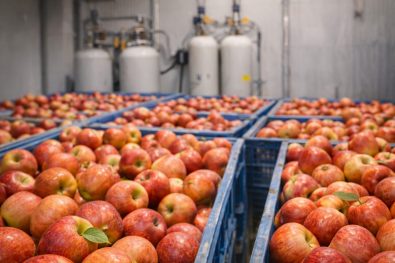
Using the F-960 to Monitor Controlled-Atmosphere Storage for Apples
Controlled atmosphere storage for apples is one of those topics where most professionals already know the theory. Lower oxygen, elevated carbon dioxide, low temperature, and careful ethylene management slow respiration and preserve quality. Where things get complicated is execution. Small deviations in gas composition can quietly shorten storage life or lead to disorders that only… Continue reading…
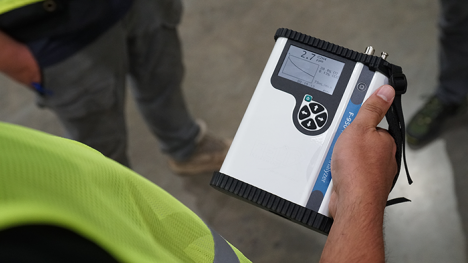
Real-Time Ethylene Tracking in Banana Ripening Rooms with the F-950
Real-time ethylene monitoring is a practical requirement in modern banana ripening rooms, not a luxury. Ethylene concentration directly controls ripening speed, color break, and uniformity across a room. Small deviations can lead to uneven batches, shortened shelf life, or fruit that misses retail specifications. This is where real-time ethylene monitoring becomes critical, and where the… Continue reading…

Continuous Ethylene and CO₂ Logging in Tomato Storage Facilities
Continuous ethylene and CO₂ logging has become a core practice in modern tomato storage facilities. Tomatoes are highly sensitive to their storage atmosphere, and small changes in ethylene or carbon dioxide levels can shift ripening speed, firmness, color development, and shelf life. For operators managing large volumes across multiple rooms, spot checks are no longer… Continue reading…
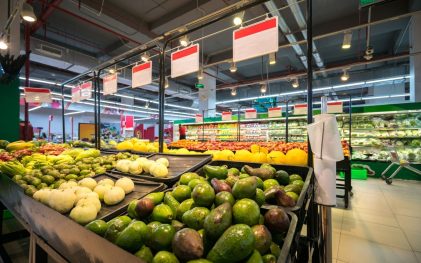
What Is Ethylene Gas and Why Is It Shortening Your Fruit’s Shelf Life?
Ethylene is a natural phytohormone produced by plants and climacteric fruits, but also exists in the supply chain through anthropogenic sources. Ethylene accelerates unplanned ripening processes, causes decay, and increases susceptibility to physiological problems and pathogens. The effects of ethylene depend on fruit maturity stage, species, cultivars, the concentration and exposure duration of the gas,… Continue reading…

How Do the Effects of Ethylene on Flower Quality Impact Floriculture?
Ethylene is one of the main factors affecting flower and ornamental plant quality and longevity in the entire floriculture supply chain. Ethylene inhibits growth, branching, flower bud abortion, and leaf and flower abscission, reducing the quality and longevity of floriculture products. Floriculturists can increase ROI by monitoring and reducing ethylene levels in greenhouses, storage, distribution,… Continue reading…

How Degreening of Citrus Fruits Enhances Appearance and Quality
Artificial degreening changes only citrus peel color and does not affect other quality parameters. Several citrus factors, like maturity at harvest and cultivar-specific ethylene sensitivity, will influence degreening success. Postharvest degreening is the standard procedure and requires careful consideration of cultivars to determine atmosphere conditions, ethylene concentrations, and exposure duration to achieve the desired results.… Continue reading…
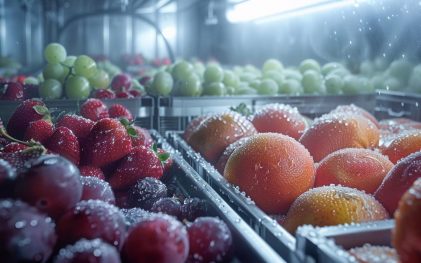
Postharvest Technology for Non-Climacteric Fruits: Best Practices and Benefits
Non-climacteric fruits have a short storage life as they must be harvested ripe. Several steps, like precooling and treatments, prepare the non-climacteric fruits for quality retention. Modified atmospheric packaging, controlled atmospheric storage, and different packaging systems maintain suitable environmental conditions during storing, transportation, and marketing to extend shelf life. Ripening is the last stage of… Continue reading…
How the Fruit Ripening Process Affects Freshness and Quality
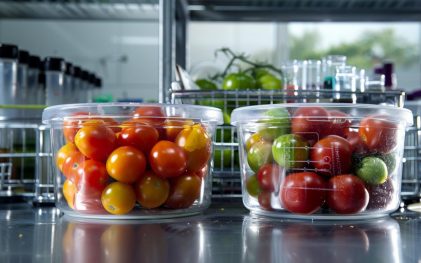
Respiratory rate, ethylene sensitivity, and production are the main criteria for differentiating ripening patterns. Respiratory peaks that trigger ethylene production start the ripening process in climacteric fruits. Ethylene sensitivity, production, and respiration hike are minimal or absent in non-climacteric fruits. Several fruits show varying degrees of ethylene sensitivity and production and defy neat classification in… Continue reading…

Fruit Cuticle Impact on Postharvest Quality: What You Need to Know
The cuticle is crucial in the postharvest stages as it is the interface between fruits and external biotic and abiotic conditions. Cuticle impact on postharvest quality has several protective functions and is a barrier to water loss, mechanical injuries, UV light, and pest and microbial attacks. It can also alter postharvest fruit firmness and appearance.… Continue reading…
How to Extend the Shelf Life of Fresh Produce: Innovations in Gas Monitoring and Controlled Atmospheres
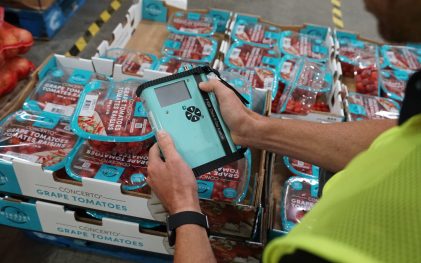
Extend the shelf life of fresh produce: Oxygen, carbon dioxide, and ethylene are monitored in all postharvest stages, including controlled atmosphere storage and transport facilities and modified atmosphere packaging. Ethylene is monitored to manage and maintain fresh produce quality, ripeness, and shelf life by detecting ethylene accumulation hotspots. Oxygen and carbon dioxide estimation helps to… Continue reading…