Latest gas-analysis

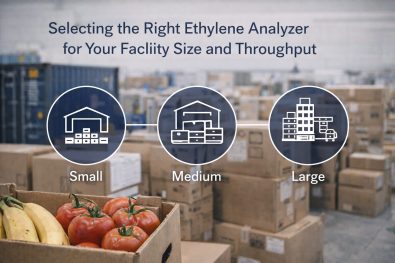
Selecting the Right Ethylene Analyzer for Your Facility Size and Throughput
If you are shopping for an ethylene analyzer, the spec sheet is only half the story. The other half is how your facility actually runs: how many rooms you manage, how many samples you pull per shift, whether you need spot checks or continuous monitoring, and what ethylene range you truly live in. Picking the… Continue reading…
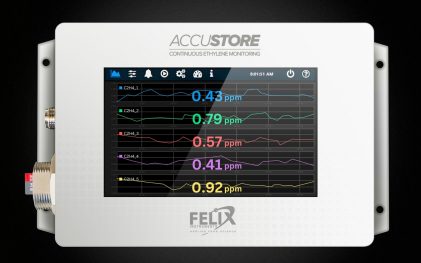
Buyer’s Guide to Real-Time Data Logging for Gas Monitoring Systems
Real-time data logging is no longer a nice-to-have feature in gas monitoring systems. For operations that manage fresh produce, controlled atmosphere storage, ripening rooms, or research trials, it is now a baseline requirement. Accurate gas measurements matter, but how those measurements are captured, stored, and used over time is what ultimately drives better decisions. This… Continue reading…
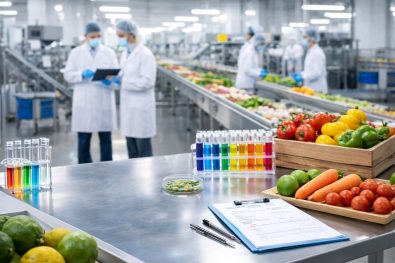
Choosing a Portable Analyzer That Meets HACCP and FSMA Compliance
Selecting a portable gas analyzer that supports HACCP and FSMA compliance is no longer optional for food and produce operations. It is a practical requirement tied directly to food safety plans, preventive controls, and verification records. A well chosen portable gas analyzer allows teams to monitor critical control points, document storage and ripening conditions, and… Continue reading…
Ethylene Monitoring Systems: What’s Worth Paying For?
Ethylene monitoring systems sit at the center of modern postharvest handling. If you work with fruit, you already know ethylene is both a tool and a problem. It drives ripening, shortens shelf life, and amplifies losses when it is not controlled. The real question is not whether ethylene monitoring systems matter, but what level of… Continue reading…
F-950 in Dual-Purpose Mode: Ripening Gas Control and QC Spot Testing
The F-950 gas analyzer is often described as a dual-purpose gas analyzer, and that description fits how it is used in real facilities. In ripening rooms, cold storage, and packing environments, teams need one tool that can manage ripening gas control while also supporting fast QC spot testing. The F-950 was designed for exactly that… Continue reading…
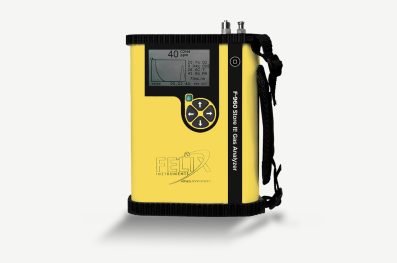
F-960 Gas Analyzer in Modified Atmosphere Packaging Validation
Modified atmosphere packaging validation depends on one thing above all else: confidence in your gas data. The F-960 gas analyzer is designed for professionals who need to verify oxygen, carbon dioxide, and ethylene levels quickly and reliably across real packaging and storage conditions. In operations where shelf life, consistency, and regulatory compliance matter, having accurate… Continue reading…
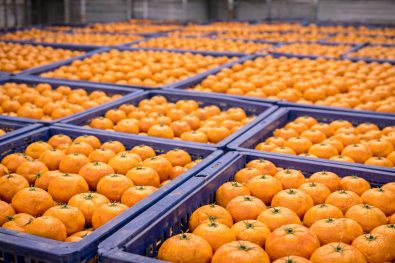
Postharvest Research on Citrus Off-Gassing Using F-900 Portable Analyzer
Postharvest off-gassing analysis plays a central role in understanding citrus fruit quality, shelf life, and market readiness. In citrus supply chains, small changes in internal gas composition can signal the onset of ripening, senescence, or stress long before visual symptoms appear. Postharvest off-gassing research allows scientists and quality managers to measure these changes directly and… Continue reading…
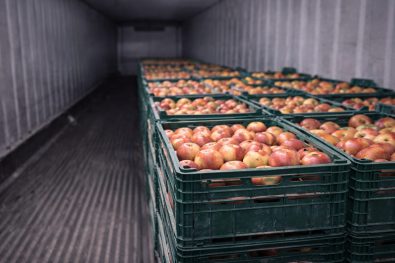
F-940 for Monitoring Shipping Containers in Long-Haul Fruit Logistics
In long-haul fruit logistics, the F-940 gas analyzer has become a practical tool for teams that need visibility into atmosphere conditions inside shipping containers. When fruit is on the water for weeks or moving across continents by rail, small shifts in oxygen, carbon dioxide, or ethylene can quietly undo months of careful postharvest work. The… Continue reading…
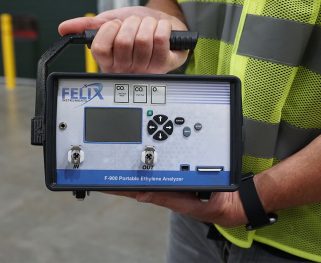
How Processors Use the F-900 for Catalytic Generator Verification
Processors rely on controlled ethylene delivery to manage ripening, degreening, and conditioning programs. When catalytic generators are part of that system, verification matters. The focus for this discussion is on F-900 catalytic generator verification, because accurate ethylene measurement is the only practical way to confirm generator output in real operating conditions. The F-900 gives processors… Continue reading…

Fixed vs Portable Ethylene Monitoring Compared
Ethylene monitoring is central to maintaining fruit quality through storage, transport, and ripening. Even trace levels of ethylene, measured in parts per billion, can alter respiration rates, accelerate ripening, or shorten shelf life. Because ethylene’s impact varies across commodities and handling stages, the way it’s monitored determines how effectively operations preserve product quality and reduce… Continue reading…