How to Evaluate Data Accuracy in NIR Meters

Scott Trimble

February 5, 2026 at 11:06 pm | Updated February 5, 2026 at 11:06 pm | 5 min read
NIR meter data accuracy is the first thing experienced users look at when deciding whether a handheld instrument is useful or just another gadget. Near infrared spectroscopy is not new, but applying it reliably in the field is still challenging.
Differences in optics, calibration models, sampling methods, and validation practices can easily lead to inconsistent results if you do not know what to look for.
This article walks through how to evaluate NIR meter data accuracy in a practical way, with a focus on real-world produce and food quality applications.
Subscribe to receive our monthly round-up of articles.
What Data Accuracy Means in NIR Measurements
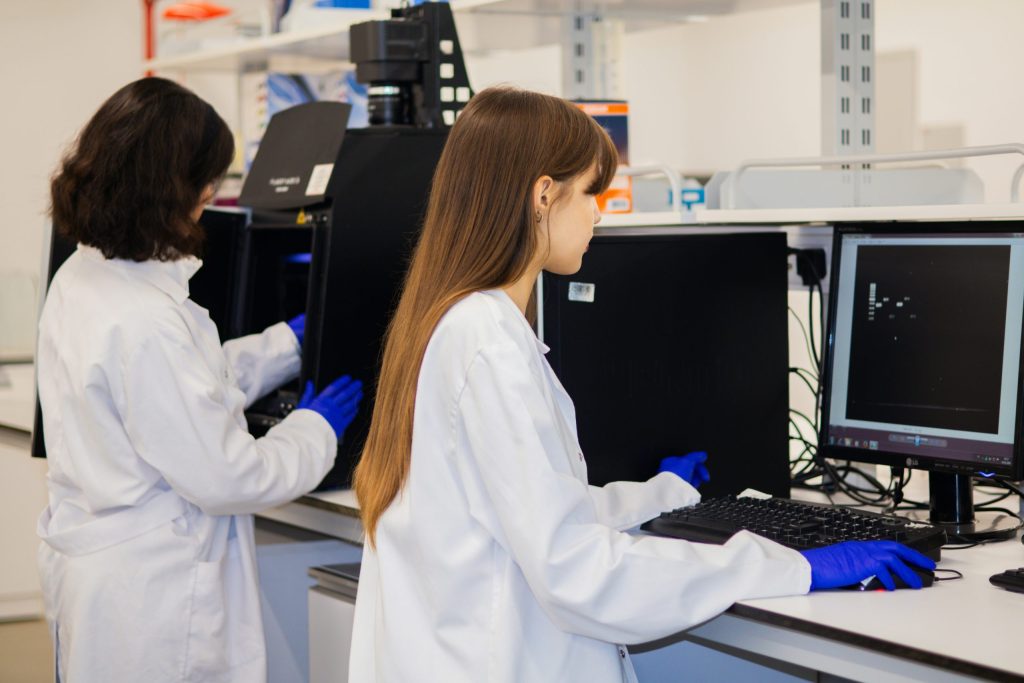
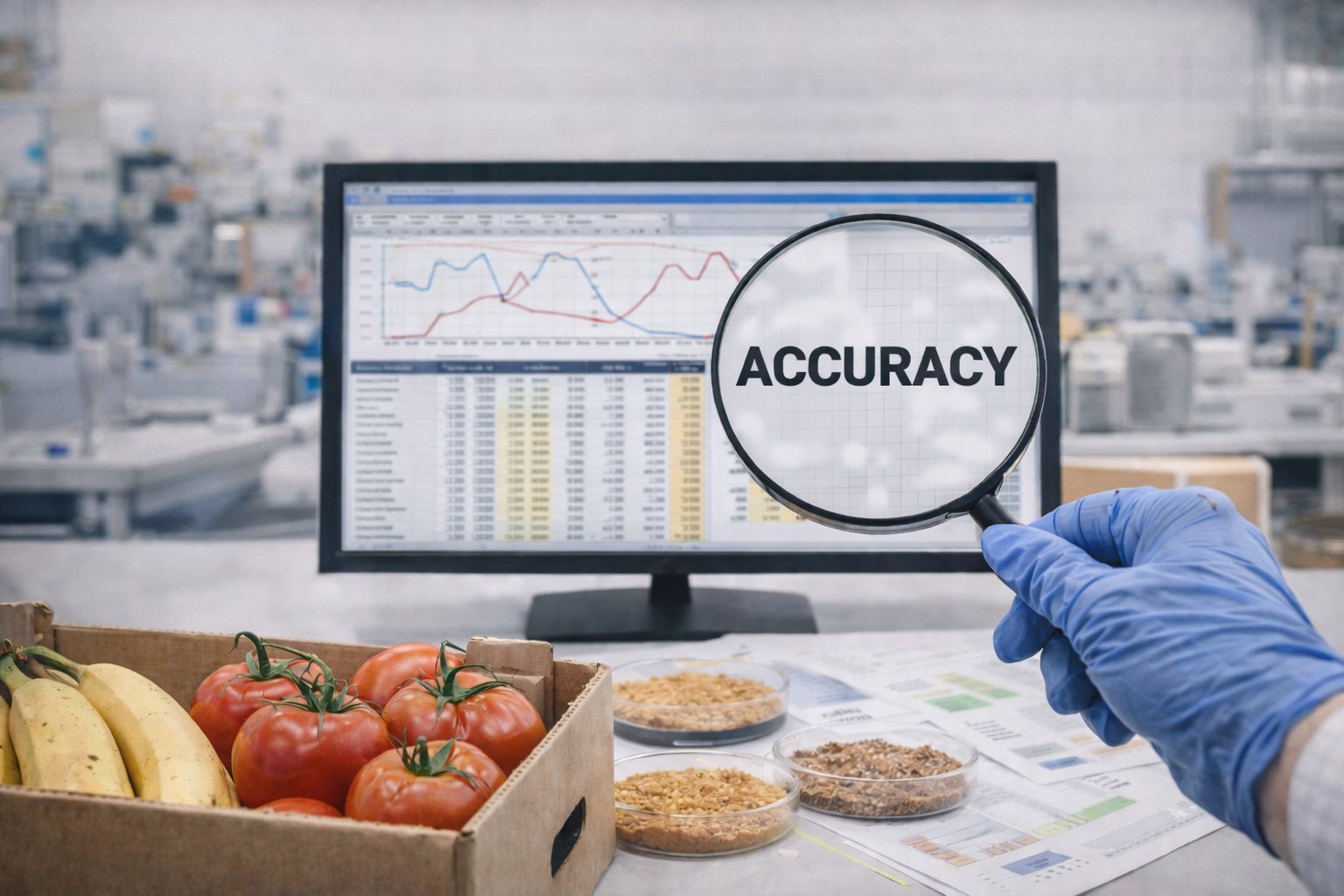
Before comparing instruments, it helps to clarify what accuracy actually means in the context of NIR meters. Accuracy is not just how close a reading is to a lab value once. It is about repeatability, robustness, and how well predictions hold up across seasons, growing regions, and varieties.
When evaluating NIR meter data accuracy, consider these core elements:
-
Trueness relative to a trusted reference method
-
Repeatability when measuring the same sample multiple times
-
Reproducibility across operators and devices
-
Stability over time without constant recalibration
A meter that performs well in controlled trials but drifts in the field is not truly accurate in a practical sense.
Calibration Models and Their Impact on Accuracy
Calibration models are the backbone of NIR meter data accuracy. The instrument itself only collects spectra. The model converts that spectral data into meaningful values like dry matter, Brix, or firmness proxies.
Strong calibration models share a few characteristics:
-
Built from large, diverse datasets
-
Validated using independent sample sets
-
Regularly updated to account for biological variation
Weak models are often based on small datasets collected under narrow conditions. These may look impressive in marketing materials but fall apart when applied to new lots or regions.
This is where experience matters. Companies that specialize in agricultural and food science instruments tend to invest heavily in calibration development because they understand how variable biological materials can be.
Sampling Technique and User Influence
Even the best NIR meter cannot overcome poor sampling. Operator technique has a direct impact on NIR meter data accuracy, especially for handheld devices used on whole fruit.
Key sampling factors include:
-
Consistent placement on the sample
-
Avoiding defects, bruises, or surface contamination
-
Measuring at representative locations on the product
Training and clear measurement protocols matter more than many users expect. One advantage of modern handheld NIR meters is their ability to guide users toward consistent sampling through ergonomic design and fast feedback, reducing operator-induced error.
Optical Design and Signal Quality
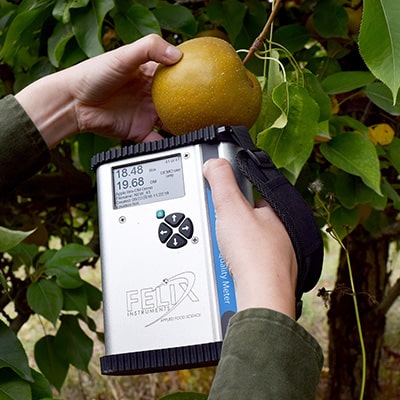
Optical design is another critical but often overlooked factor. Light source stability, detector sensitivity, and signal-to-noise ratio all influence how clean the spectral data is before modeling even begins.
When comparing instruments, look beyond headline specs and ask practical questions:
-
Does the meter maintain stable output over long sessions?
-
How sensitive is it to temperature changes?
-
Does it reject ambient light effectively in field conditions?
Higher signal quality leads directly to more reliable predictions and improved NIR meter data accuracy, especially for subtle quality attributes like internal maturity.
Validation Against Reference Methods
No discussion of NIR meter data accuracy is complete without validation. A credible NIR system is always validated against accepted reference methods such as wet chemistry, refractometry, or destructive lab analysis.
Good validation practices include:
-
Using blind samples not included in calibration
-
Reporting standard error of prediction, not just correlation
-
Repeating validation across seasons and locations
Users should be cautious of accuracy claims based solely on correlation coefficients. High correlation does not always mean low prediction error, especially when sample ranges are narrow.
Instrument Consistency Across Applications
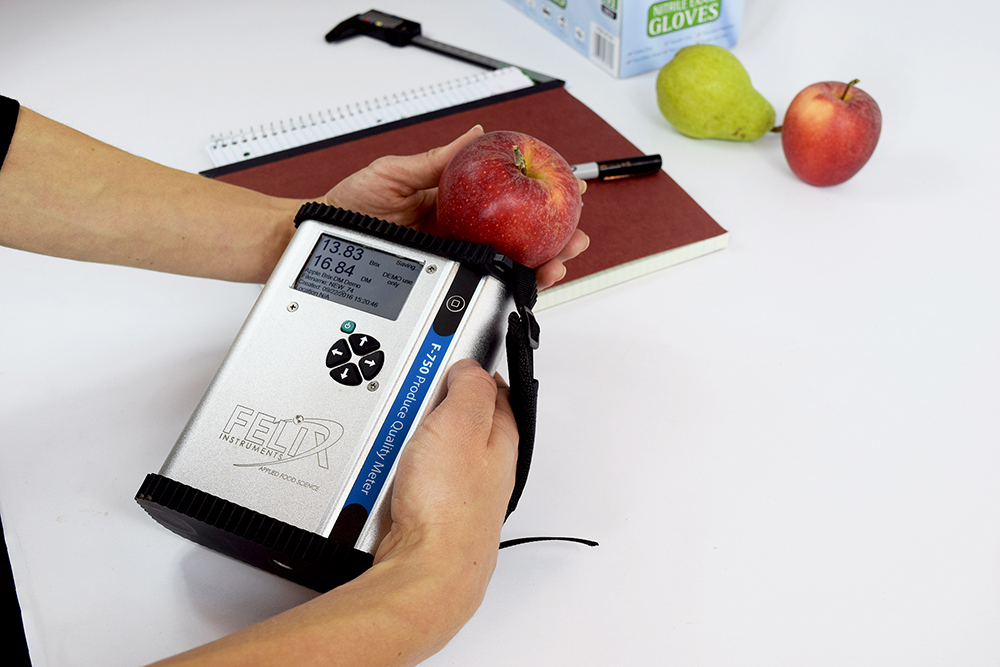
Another way to evaluate NIR meter data accuracy is to look at how well a platform performs across multiple crops or applications. Instruments designed for a single narrow use may struggle when adapted to new products.
Platforms that support multiple commodity-specific calibrations often benefit from shared optical hardware and software architecture. This consistency makes it easier to maintain accuracy as new models are added and refined.
Software, Data Handling, and Transparency
Accuracy is not just hardware and calibration. Software plays a major role in how results are processed, displayed, and stored. Transparent data handling helps users understand confidence levels and spot anomalies early.
Look for systems that offer:
-
Access to raw or processed spectral data
-
Clear reporting of prediction statistics
-
Easy export for further analysis
This level of transparency allows quality managers and researchers to independently verify NIR meter data accuracy rather than relying solely on black-box outputs.
Long-Term Stability and Support
An accurate NIR meter today is not very useful if it degrades quickly or becomes unsupported. Long-term stability depends on both hardware durability and ongoing calibration support.
Manufacturers with deep experience in food and agriculture tend to offer:
-
Recalibration services as new data becomes available
-
Firmware updates that improve performance
-
Technical support from application specialists, not just sales staff
This ongoing support is often the difference between an instrument that remains accurate for years and one that becomes unreliable after a single season.
Comparing Field Meters to Lab Instruments
It is also important to set realistic expectations. Handheld NIR meters are not meant to replace full laboratory spectrometers in every case. Instead, they provide fast, non-destructive insights directly in the field or packing facility.
When evaluated properly, high-quality handheld systems can deliver accuracy that is more than sufficient for harvest timing, lot segregation, and quality monitoring. The key is understanding the intended use and validating performance accordingly.
Common Mistakes When Evaluating NIR Accuracy
Even experienced users can fall into a few common traps:
-
Relying on single-point accuracy claims
-
Ignoring sampling variability
-
Overlooking the importance of calibration maintenance
Avoiding these mistakes leads to a more realistic assessment of NIR meter data accuracy and better long-term outcomes.
Takeaway
Evaluating NIR meter data accuracy requires looking at the entire system, from optics and calibration models to sampling practices and software transparency.
Accuracy is not a single number. It is the result of thoughtful design, rigorous validation, and ongoing support.
If you are serious about using NIR technology for produce and food quality decisions, it pays to work with a manufacturer that understands these challenges at a practical level. Felix Instruments designs NIR meters specifically for real-world agricultural environments, backed by robust calibration development and long-term application support.
To learn how their NIR solutions can fit into your quality programs, explore our product lineup or speak directly with our technical team about your application.
Frequently Asked Questions
What Is the Most Important Factor Affecting NIR Meter Data Accuracy?
Calibration quality is usually the biggest factor. A well-built calibration based on diverse samples has more impact than minor hardware differences.
How Often Should NIR Meters Be Validated?
Validation should be performed regularly, ideally each season or whenever conditions change significantly, such as new varieties or growing regions.
Can Handheld NIR Meters Be Accurate Enough for Commercial Decisions?
Yes, when properly calibrated and validated, handheld NIR meters can provide accuracy that is more than sufficient for harvest timing, grading, and quality management decisions.
Related Products
Most Popular Articles
- Spectrophotometry in 2023
- NIR Applications in Agriculture – Everything…
- The Importance of Food Quality Testing
- The 5 Most Important Parameters in Produce Quality Control
- Melon Fruit: Quality, Production & Physiology
- Fruit Respiration Impact on Fruit Quality
- Guide to Fresh Fruit Quality Control
- Liquid Spectrophotometry & Food Industry Applications
- Ethylene (C2H4) – Ripening, Crops & Agriculture
- Understanding Chemometrics for NIR Spectroscopy