Calibration Battle: How Felix, Rubens, and Sunforest Handle Multi-Crop Predictive Models

Scott Trimble

February 5, 2026 at 11:35 pm | Updated February 5, 2026 at 11:36 pm | 4 min read
In produce quality measurement, hardware differences are narrowing. Detectors, light sources, and form factors across NIR and gas analysis tools are increasingly similar. What separates instruments in day-to-day use is calibration. More specifically, it is how companies design, maintain, and communicate multi-crop predictive models.
This article compares how Felix Instruments, Rubens, and Sunforest approach calibration, and what those choices mean for users working across multiple crops.
Why Multi-Crop Predictive Models Are Difficult
Multi-crop models promise flexibility. One calibration supports many commodities. In practice, biological variability makes this difficult.
Subscribe to receive our monthly round-up of articles.
Key sources of variability include:
-
Skin thickness and texture
-
Internal fruit structure
-
Sugar, dry matter, and water relationships
-
Seasonal and regional growing differences
-
Cultivar specific spectral responses
As more crops are added to a model, the calibration must average these differences or rely on aggressive preprocessing. This increases the risk that the model performs adequately across many crops but optimally for none.
Felix Instruments Approach
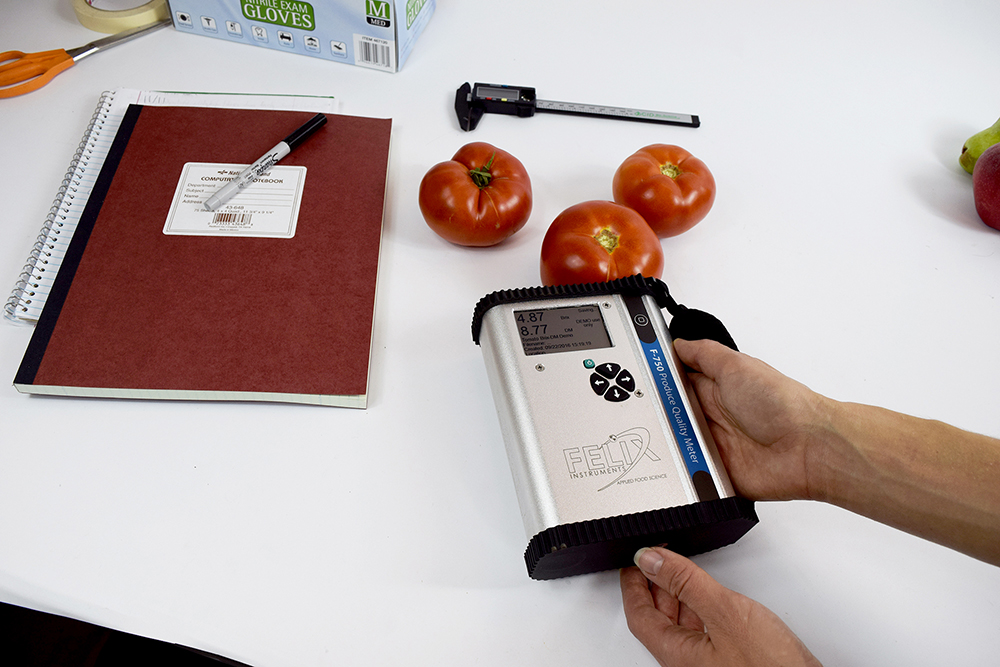
Felix Instruments takes a conservative and transparent approach to calibration.
Core characteristics of the Felix strategy:
-
Crop specific or tightly scoped calibrations
-
Clear documentation of supported commodities
-
Defined performance expectations per model
-
Modular expansion rather than universal models
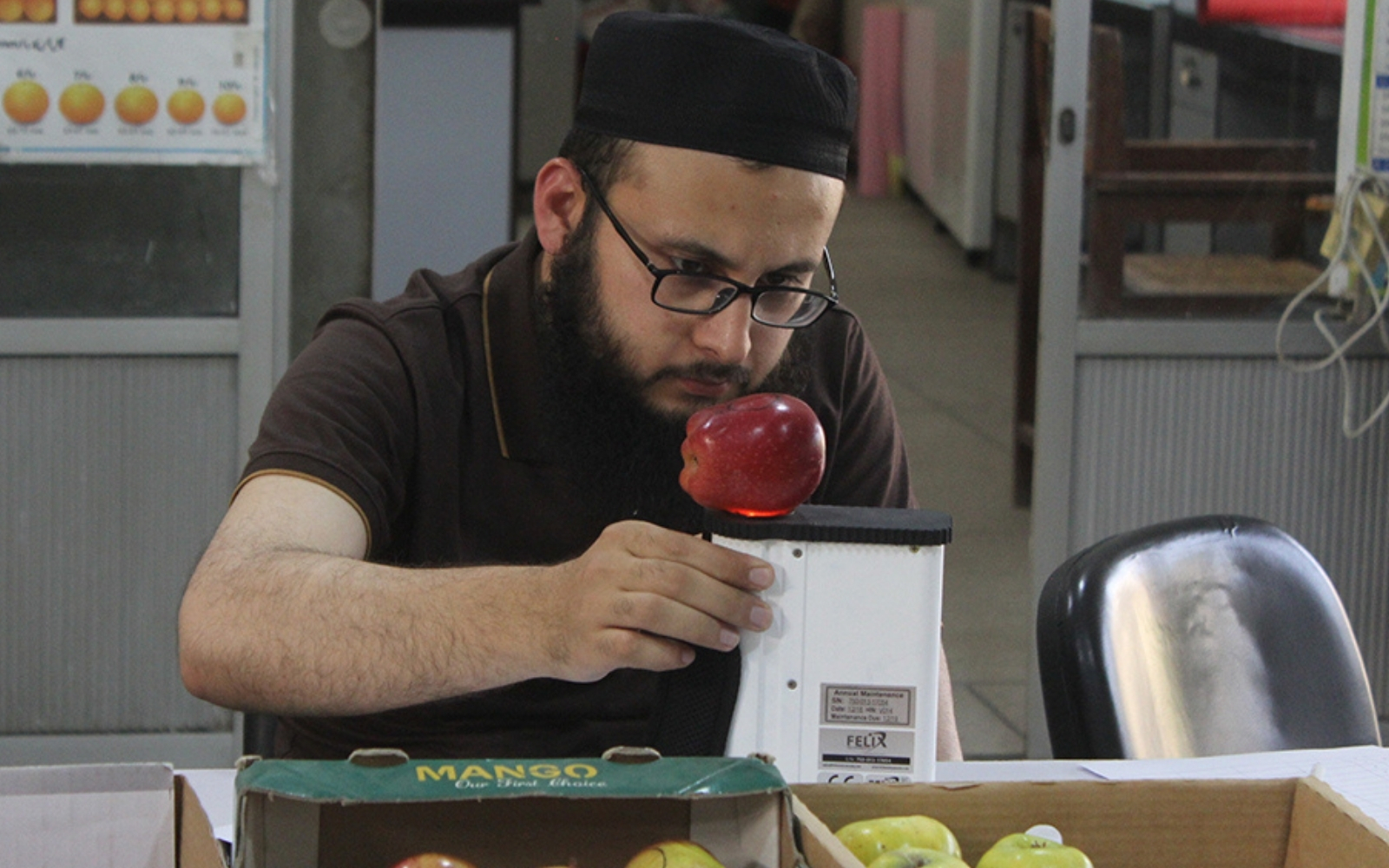
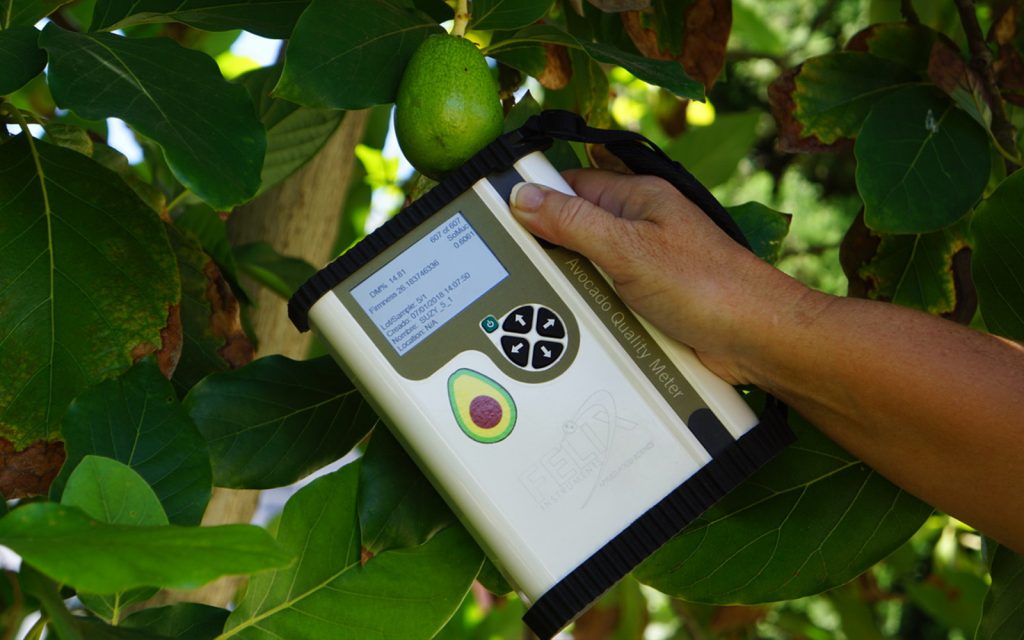
In the NIR portfolio, tools such as the F-750 and F-751 are paired with calibrations developed for specific crops like avocado, kiwi, mango, and grape. Gas analysis instruments follow a similar philosophy, with ethylene, CO2, and O2 tools optimized for postharvest and ripening environments rather than broad laboratory generalization.
Practical outcomes of this approach:
-
Reduced risk of silent accuracy drift
-
Easier validation and auditing
-
Clear decision points for adding new crops
-
Predictable long term calibration management
Felix multi-crop predictive models are best described as a collection of targeted models rather than a single generalized one.
Rubens Approach
Rubens emphasizes versatility and speed of deployment. Its systems are designed to support multiple fruits under a broader calibration framework.
Typical characteristics of the Rubens calibration philosophy:
-
Generalized models covering multiple fruit types
-
Simplified user workflow
-
Emphasis on rapid measurement and sorting
This approach works well in scenarios such as:
-
Relative ranking or sorting
-
Operations with limited crop variability
-
Environments where speed matters more than absolute precision
Tradeoffs to consider:
-
Performance may vary at the edges of the calibration scope
-
Users may need to perform local validation for new crops
-
Subtle crop specific signals can be averaged out
Rubens tools are often effective when used within the core crop categories the models were built around.
Sunforest Approach
Sunforest also focuses on broad multi-fruit capability, with calibrations designed to cover many produce types.
Key elements of the Sunforest strategy:
-
Wide calibration coverage
-
Emphasis on multi-fruit measurement
-
Strong alignment with specific regional production systems
Strengths of this approach:
-
Efficient for users operating within matching regions
-
Lower initial complexity
-
Fewer calibration selections for operators
Limitations to keep in mind:
-
Accuracy can degrade outside the original training environment
-
Greater reliance on local verification
-
Less clarity on performance boundaries between crops
As with other generalized multi-crop predictive models, results are strongest when operating conditions closely match calibration assumptions.
Transparency Versus Convenience
A major difference between these companies is how calibration limits are communicated.
Felix Instruments prioritizes transparency by:
-
Clearly defining supported crops
-
Avoiding claims of universal applicability
-
Providing clear upgrade paths as needs expand
Rubens and Sunforest prioritize convenience by:
-
Minimizing calibration choices
-
Emphasizing multi-fruit capability
-
Reducing setup time for mixed commodity operations
Neither approach is inherently wrong. The risk profile shifts depending on how much responsibility is placed on the user to validate results.
Long Term Calibration Management
Calibration decisions affect long term instrument value.
Felix style models:
-
Scale by adding new calibrations
-
Maintain stable performance per crop
-
Align well with research and export driven operations
Generalized models:
-
Reduce short term complexity
-
Require more frequent revalidation as crop diversity grows
-
Can accumulate uncertainty over time
For organizations that rely on defensible quality metrics, calibration structure matters as much as instrument hardware.
Choosing the Right Approach
When selecting between calibration philosophies, consider:
-
Number of crops measured regularly
-
Sensitivity of decisions to small accuracy shifts
-
Ability to validate performance internally
-
Long term expansion plans
Felix Instruments appeals to users who value defined accuracy and calibration clarity. Rubens and Sunforest appeal to users prioritizing flexibility and speed, with the understanding that validation plays a larger role.
Understanding how multi-crop predictive models are built is essential to choosing the right tool.
FAQs
Why does Felix Instruments focus on crop specific calibrations?
Felix emphasizes transparency and defensible accuracy. Crop specific models reduce biological variability and make performance limits clearer.
When do generalized models make sense?
They are useful for relative sorting, screening applications, and operations with limited crop diversity, provided results are regularly validated.
Related Products
Most Popular Articles
- Spectrophotometry in 2023
- NIR Applications in Agriculture – Everything…
- The Importance of Food Quality Testing
- The 5 Most Important Parameters in Produce Quality Control
- Melon Fruit: Quality, Production & Physiology
- Fruit Respiration Impact on Fruit Quality
- Guide to Fresh Fruit Quality Control
- Liquid Spectrophotometry & Food Industry Applications
- Ethylene (C2H4) – Ripening, Crops & Agriculture
- Understanding Chemometrics for NIR Spectroscopy
Related Reading